
Beautiful Plants For Your Interior
Beautiful Plants For Your Interior
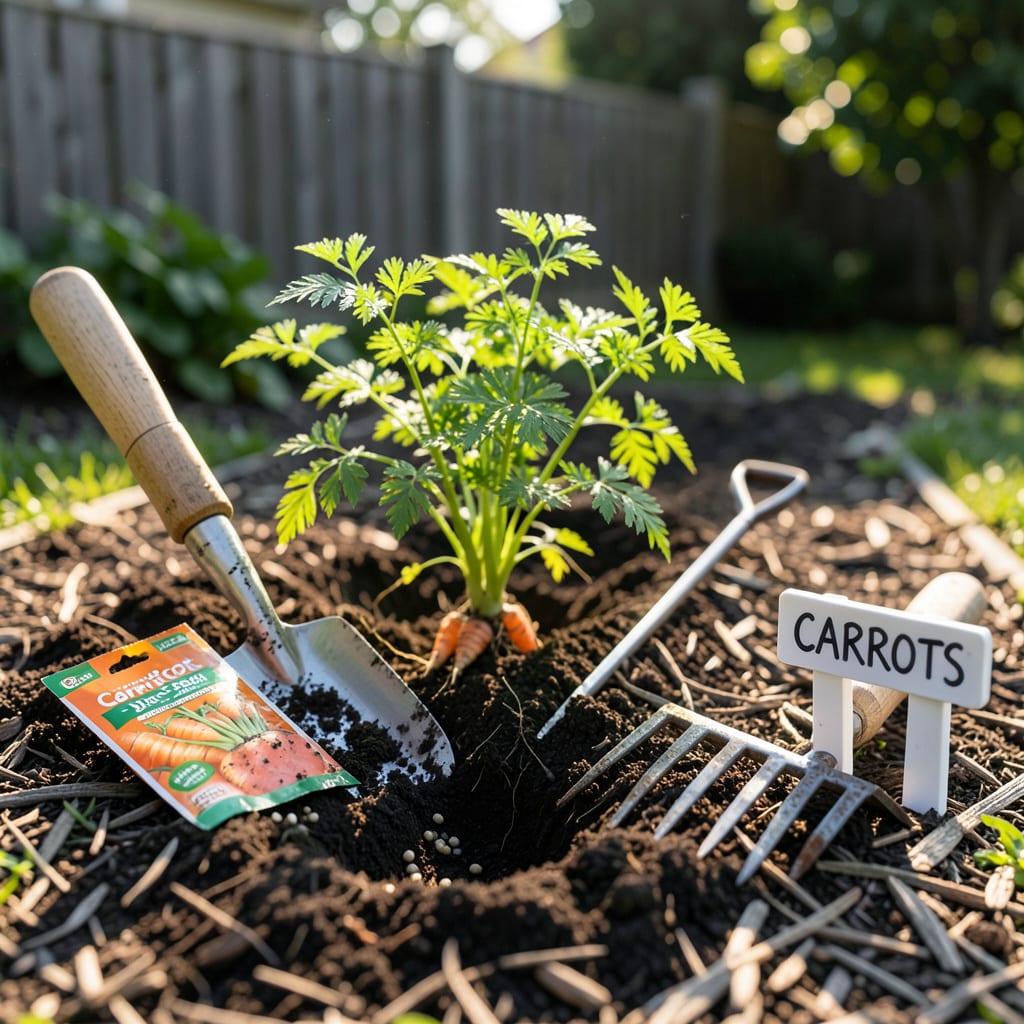
Colorado’s unpredictable climate makes planting 🥕 carrots a bit of a puzzle—too early and frost might strike, too late and summer heat stunts growth. But here’s the good news: with the right timing, you can grow sweet, crunchy carrots even in our short growing season.
I’ve tested different planting windows across Colorado’s zones, and what I’ll share will save you from guesswork. Whether you’re in the Front Range or high country, you’ll learn the exact months to sow seeds for a bountiful harvest—no green thumb required.
Colorado’s diverse microclimates mean your carrot planting schedule depends heavily on where you live. In the Front Range, you’ll follow a different timeline than gardeners in the high country or southern plains. Let’s break it down region by region.
Timing isn’t just about frost dates—it’s about soil temperature and day length. Carrots germinate best when soil reaches 50°F, and they thrive in cooler weather. That’s why Colorado’s spring and fall windows are ideal for sweet, crunchy roots.
| Region | Spring Planting | Fall Planting | Notes | |
|---|---|---|---|---|
| Front Range | March 15–April 15 | July 15–August 15 | Watch for late frosts; use row covers if needed. | |
| High Country | April 15–May 15 | June 15–July 15 | Shorter season—opt for fast-maturing varieties. | |
| Southern Plains | February 15–March 15 | August 15–September 15 | Hot summers—plant early or late to avoid heat stress. |
In the Front Range (Denver, Boulder), aim to sow seeds 2–3 weeks before the last frost, usually around April 15. Fall planting should wrap up by mid-August to ensure harvest before the first frost in October.
For high-altitude areas (above 7,000 ft), wait until soil warms to 50°F, often not until late April or early May. Fall planting is riskier here—stick to early July sowings for a late-season harvest.
Down in the southern plains (Pueblo, Grand Junction), you’ve got a longer growing season. Start seeds as early as mid-February for spring carrots, or plant in late August for a fall crop that matures in cooler weather.
No matter where you are, soil prep is key. Colorado’s clay-heavy soil can stunt carrot growth, so amend beds with sand or compost to loosen the texture. Carrots need deep, loose soil to develop straight roots.
If you’re dealing with rocky soil, consider raised beds or containers. Shorter varieties like ‘Paris Market’ thrive in pots, while longer types like ‘Danvers’ need at least 12 inches of depth.
Don’t forget about moisture consistency. Colorado’s dry climate means you’ll need to water lightly but frequently—keep soil damp (not soggy) until seeds germinate, then taper to 1 inch per week.
Finally, watch the weather forecasts closely. If a late frost threatens, protect young seedlings with row covers or cloches. Carrots can handle light frosts, but prolonged freezes will damage tender tops.
With these timelines and tips, you’ll be pulling up perfect carrots in no time—whether you’re gardening in the mountains or the plains. Happy planting! 🥕
Colorado’s unique climate makes carrot growing tricky, even for experienced gardeners. I’ve seen firsthand how small errors can lead to stunted roots or failed crops. Let’s tackle the top 5 mistakes and how to fix them.
One of the biggest issues is planting too early in cold soil. Carrot seeds rot in chilly, wet conditions, so always check soil temps with a thermometer. Wait until it hits 50°F for best germination.
Another common error is using fresh manure, which causes forked roots. Stick to well-aged compost instead. I learned this the hard way after my first carrot crop looked like abstract art!
Colorado’s dry air can also trick gardeners. Even if the surface looks damp, check moisture 1 inch deep. Carrots need consistent moisture to prevent cracking or bitter flavors.
For high-altitude gardeners, don’t assume longer daylight helps. Carrots actually prefer cooler temps—use shade cloth if summer heat exceeds 80°F for extended periods.
Finally, avoid harvesting too late. Carrots left in cold soil turn woody. Pull them before hard freezes (below 28°F) or store with mulch.
Dodging these mistakes will set you up for straight, sweet carrots every time. Your future harvests will thank you! 🌱
Not all carrots thrive in Colorado’s short growing season and variable climate. After testing dozens of varieties, I’ve found the best performers for our 120–150-day window. The key is choosing fast-maturing types that handle cool temps and dry conditions.
For Front Range gardeners, I recommend starting with ‘Nantes’—it’s sweet, crisp, and matures in just 65 days. High-altitude growers should try ‘Danvers’, which tolerates heavy soil and matures in 70 days. Let’s compare the top picks.
| Variety | Days to Maturity | Best For | Notes |
|---|---|---|---|
| Nantes | 65 days | All regions | Sweet, crisp, and heat-tolerant. |
| Danvers | 70 days | Heavy/clay soil | Handles rocky ground better than most. |
| Paris Market | 60 days | Containers | Small, round roots—perfect for pots. |
| Chantenay | 70 days | Short seasons | Tapered roots grow well in shallow soil. |
| Imperator | 75 days | Long roots | Needs deep, loose soil—best for raised beds. |
If you’re gardening in high-altitude areas, ‘Paris Market’ is a game-changer. Its round shape means no digging deep, and it matures in just 60 days. I’ve grown these in 10-inch-deep containers with great success—perfect for patios or small spaces.
For southern Colorado, where summers get hot, ‘Nantes’ is my top pick. It handles heat stress better than most and stays sweet even in dry conditions. Just be sure to mulch heavily to retain moisture and keep roots cool.
Want to extend your harvest? Try ‘Chantenay’ for a late-season crop. Its sturdy roots store well in the ground, and the tapered shape makes pulling easy—even in Colorado’s compacted soil. I’ve left these in the ground until first frost with no issues.
No matter which variety you choose, remember: thin seedlings early (to 2–3 inches apart) and keep soil consistently moist. With the right pick and care, you’ll be enjoying homegrown carrots in as little as 8 weeks! 🌱
Yes, but with caution. Carrot seeds can germinate in soil as cool as 40°F, but they prefer 50°F+. In the Front Range, you can sow 2-3 weeks before last frost (around March 15). Use row covers if cold snaps are forecasted.
For fall crops, sow seeds 10-12 weeks before your first frost. In Denver, that’s around July 15–August 15. High-altitude gardeners should plant by early July to ensure maturity before cold weather sets in.
Use floating row covers to shield young plants from late frosts or sudden heat spikes. Mulch with straw to regulate soil temperature and moisture. In high-altitude areas, consider shade cloth during afternoon heat waves.
Our clay-heavy soil is the usual culprit. Amend beds with sand and compost to loosen the texture. For rocky areas, try raised beds or shorter varieties like ‘Paris Market’. Consistent moisture also prevents deformities.
Choose round or short varieties like ‘Paris Market’ and use containers at least 10 inches deep. Ensure good drainage and keep soil consistently moist. Containers are great for patios or areas with poor native soil.
