
Beautiful Plants For Your Interior
Beautiful Plants For Your Interior
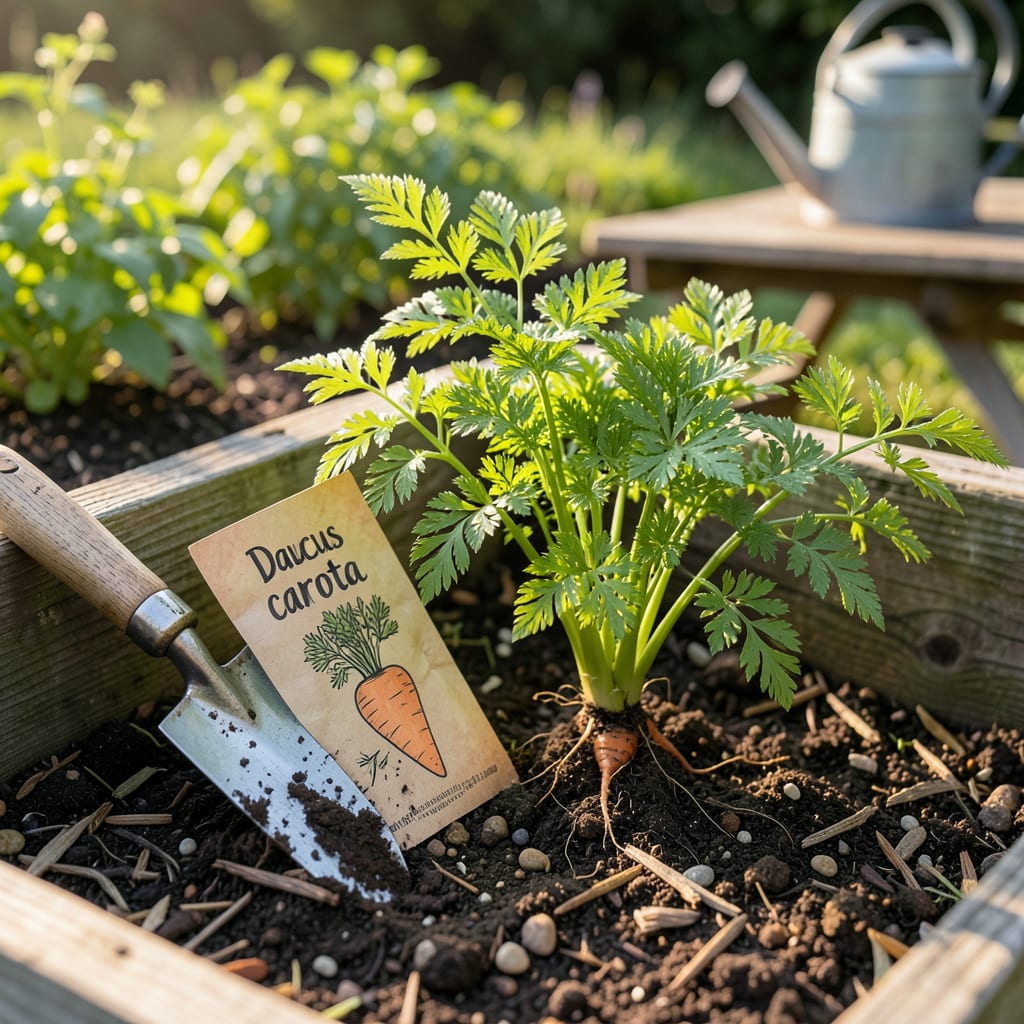
Ever pulled a carrot from your garden only to find it tough, bitter, or stunted? In Central Texas, timing isn’t just important—it’s everything. Plant too late, and our brutal summers will sabotage your harvest before it even begins.
The good news? With the right schedule, you can grow sweet, crisp carrots 🥕 almost year-round here. I’ll show you exactly when to sow seeds for spring and fall crops, plus the heat-tolerant varieties that thrive in Zone 8a. No more guesswork—just perfect carrots every time.
If you’ve ever pulled up bitter, woody carrots in Central Texas, chances are you planted them at the wrong time. Our USDA Zone 8a-8b climate is a double-edged sword—mild winters let us grow carrots nearly year-round, but summer heat turns sweet roots into tough, inedible sticks. The secret? Two prime planting windows: early spring and late summer.
I’ve found that soil temperature is the make-or-break factor. Carrot seeds germinate best when soil stays between 50°F–85°F. In Central Texas, that means avoiding the June–August scorchers and focusing on February–March for spring crops and August–September for fall/winter harvests. Let’s break it down month by month.
| Month | Action | Notes |
|---|---|---|
| January | Prep beds | Loosen soil; add compost for February planting. |
| February–March | Plant! | Ideal spring window. Harvest by May before heat sets in. |
| April | Late planting | Risky—use heat-tolerant varieties like ‘Kuroda’. |
| May–July | Avoid planting | Soil temps exceed 85°F—seeds won’t germinate well. |
| August–September | Plant! | Best fall window. Harvest by November–December. |
| October–December | Harvest/mulch | Protect crops with straw mulch for extended harvest. |
For spring plantings, I aim to sow seeds by mid-February—this gives roots time to size up before temperatures climb above 90°F. If you miss this window, don’t bother planting in April or May; the heat will cause carrots to bolt (flower prematurely), making roots bitter and inedible. Instead, wait for late August when soil cools slightly.
The fall planting window is my favorite in Central Texas. Seeds sown in late August to early September germinate in warm soil but mature as temperatures drop. This means sweeter, crisper carrots with fewer pest pressures. Just be sure to mulch heavily with straw or shredded leaves to insulate roots if a cold snap hits before harvest.
Here’s a trick I swear by: Check your soil temperature with a cheap thermometer (available at garden centers). If it’s below 50°F, seeds will germinate slowly or rot. Above 85°F, and they’ll struggle to sprout. In Central Texas, that sweet spot typically aligns with our February–March and August–September windows.
If you’re itching to grow carrots in summer, consider container gardening. Move pots to shaded areas by afternoon and use light-colored containers to reflect heat. Varieties like ‘Paris Market’ (a small, round carrot) tolerate heat better than long types. But honestly? Skip summer plantings—even “heat-tolerant” carrots taste better when grown in cooler weather.
Remember, Central Texas frost dates are just guidelines. Our last frost is around March 15, and the first frost hits near November 15. But carrots can handle light frosts, so don’t rush to pull them—cold weather sweetens their flavor! I’ve left carrots in the ground until Christmas in Austin, and they tasted like candy.
For the best results, direct-sow seeds (carrots hate transplanting) in loose, rocky-free soil. I mix in sand or compost to prevent forked roots. Keep the bed evenly moist—dry soil crusts over, making it hard for tiny seeds to break through. A light mulch of grass clippings helps retain moisture without smothering seeds.
Finally, thin seedlings to 2–3 inches apart once they’re an inch tall. Crowded carrots grow stunted and twisted. If you follow this schedule, you’ll be pulling up perfectly straight, sweet roots
Not all carrots can handle Central Texas heat, but these three varieties laugh in the face of our 90°F+ summers. If you’ve ever had standard carrots turn bitter or bolt before maturing, it’s time to try these heat-resistant champions. They’re bred to stay sweet and tender even when temperatures soar.
I’ve tested dozens of varieties in my Austin garden, and these consistently outperform the rest. The key? They’re slow to bolt (flower prematurely) and maintain crisp texture despite the heat. Pair them with shade cloth or afternoon shade, and you’ll be harvesting carrots when others are just dreaming of cooler weather.
This anthocyanin-rich carrot stays sweet even in 95°F heat. Its deep red color signals high antioxidants, and the 6-inch roots resist cracking. Sow in late August for a stunning, heat-proof harvest by November.
A Japanese heirloom with thick, sturdy roots that won’t turn woody. It thrives in Central Texas’ clay-heavy soil and matures in just 65 days. Plant in early March or September for best results. The orange-red hue deepens with cooler nights.
This sunshine-yellow variety holds its sweetness in heat better than orange types. The 5–7 inch roots are perfect for container gardening. For best germination, soak seeds overnight before planting in March or August. Kids love the bright color—and you’ll love the crunchy texture!
For spring plantings, I always start these varieties by mid-February to beat the heat. If you’re planting in fall, aim for late August to early September. The goal is to get carrots halfway to maturity before temperatures drop below 50°F at night—this prevents stunted growth.
Here’s my germination hack for Texas soils: Mix seeds with radish seeds (they sprout in 3–5 days) to mark rows. The radishes break up soil crusts, letting carrot seeds emerge easier. Once carrots are up, thin to 2 inches apart and enjoy the radishes as a bonus crop! This trick works especially well with ‘Kuroda’, which can be slow to sprout in warm soil.
If you’re dealing with heavy clay soil (common in Central Texas), these varieties still perform—but you’ll need to amend beds first. Work in 4–6 inches of compost and sand to improve drainage. Raised beds are ideal, as they warm faster in spring and drain better during our sudden downpours. I’ve had great success with ‘Atomic Red’ in 12-inch-deep raised beds, where roots grow straight and unobstructed.
Remember, even heat-tolerant carrots need consistent moisture. Set up drip irrigation on a timer for 1 inch of water per week, adjusting for rain. In summer, you may need to water every 3–4 days to prevent cracking. A 2-inch layer of mulch (straw or shredded leaves) keeps soil evenly moist and cool—critical for avoiding bitter, fibrous roots.
Finally, don’t overlook succession planting. Sow a new row of ‘Solar Yellow’ every 2–3 weeks from August to September for a continuous harvest. This way, you’ll have fresh carrots from November through December, just in time for holiday meals. And if you’ve got extra seeds, try a winter planting in October—with row covers, you might get a spring bonus crop!
Even with perfect timing, Central Texas gardeners can still end up with forked, cracked, or bitter carrots. I’ve made (and fixed!) every mistake in the book—from rocky soil disasters to watering fails. The good news? Most issues are easy to prevent once you know what to watch for.
The biggest culprit? Our clay-heavy soil, which causes carrots to split or grow twisted. But inconsistent moisture and pest pressures are close seconds. Let’s tackle these problems head-on so you can grow straight, sweet roots every time.
Our Central Texas clay is notorious for stunting carrot growth. To fix this, I double-dig my beds in fall, mixing in compost and sand to improve drainage. If amending isn’t an option, try short varieties like ‘Paris Market’ (round carrots) or ‘Little Finger’, which tolerate dense soil better than long types.
Watering inconsistently is another silent carrot killer. In our hot, dry climate, soil can dry out fast—then gardeners overcompensate by drowning plants. The result? Split roots or hairy growth. I use a soaker hose set to run 30 minutes every other day, adjusting for rain. Mulch with straw to lock in moisture and keep soil temps steady.
Don’t overlook pests and diseases. Carrot rust flies lay eggs near roots, and their larvae tunnel inside. To deter them, I interplant carrots with onions or cover beds with floating row covers until foliage reaches 6 inches tall. For wireworms (common in Texas), solarize soil in summer before planting or use beneficial nematodes as a natural control.
Finally, harvesting too late turns sweet carrots into woody disappointments. In Central Texas, spring-planted carrots should be pulled by early June, while fall crops are best harvested by mid-December. Use the “shoulder check”: Gently brush soil from the root crown—if it’s ¾-inch wide, it’s ready! 🥕
It’s risky due to extreme heat. Carrot seeds struggle to germinate when soil exceeds 85°F. If you must, try heat-tolerant varieties like ‘Atomic Red’ in shaded containers.
Sow seeds ¼-inch deep in loose, well-drained soil. In Central Texas’ clay-heavy ground, mix in sand or compost to prevent forked roots. Thin seedlings to 2–3 inches apart once sprouted.
Use drip irrigation for 1 inch weekly, adjusting to every 3–4 days in peak summer. Water in the early morning to reduce evaporation. Mulch with straw to retain moisture.
Bitterness usually comes from heat stress or overmaturity. Harvest before temps exceed 90°F, and choose fall plantings for sweeter roots. Cold weather actually enhances their sugar content!
Yes, but rotate beds yearly to prevent pests like carrot rust flies. Replenish soil with compost between plantings. In Central Texas, aim for spring and fall crops with a summer break.
