
Beautiful Plants For Your Interior
Beautiful Plants For Your Interior
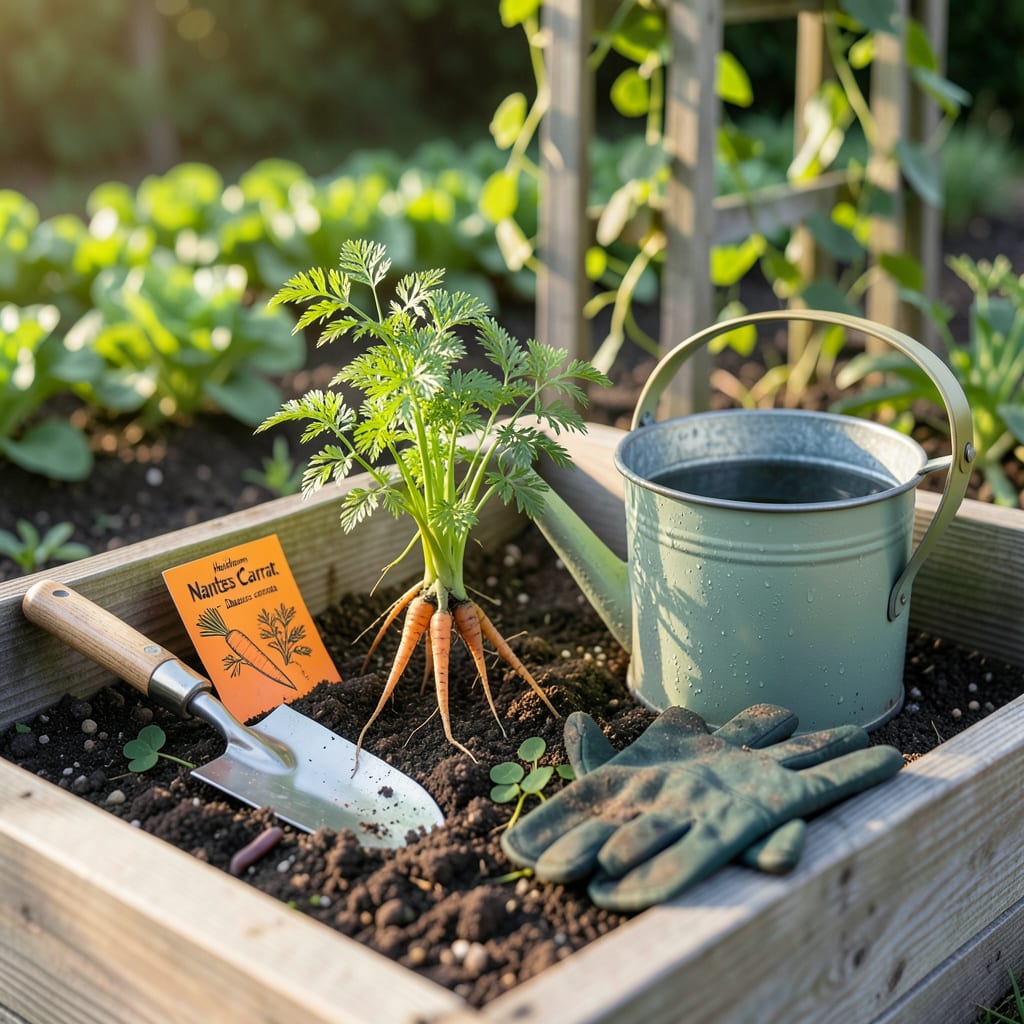
California’s diverse climates make planting 🥕 carrots a bit tricky—what works in foggy San Francisco could fail in scorching Bakersfield. Timing isn’t just about the calendar; it’s about understanding your microclimate to avoid bitter, stunted roots.
I’ve tested planting windows across the state, from coastal Zone 9 to desert Zone 10, and the differences are stunning. Whether you’re dealing with cool coastal springs or intense inland summers, I’ll show you exactly when to plant for the sweetest, crispiest harvests—no guesswork required.
California’s diverse microclimates mean there’s no one-size-fits-all answer for planting carrots. Along the coastal regions (Zones 9–11), you’ll battle cool summers and fog, while inland valleys (Zones 7–9) face scorching heat. The key is timing your sowing to avoid extremes—50°F–85°F soil temps are ideal for germination.
In my experience, spring and fall plantings work best, but the exact months shift dramatically by location. Coastal gardeners can start as early as February, while inland growers should wait until March or April to dodge late frosts. Let’s break it down by region.
| Region | USDA Zones | Spring Planting | Fall Planting | Avoid |
|---|---|---|---|---|
| Coastal (SF, LA) | 9–11 | Feb–April | Aug–Oct | May–July (fog) |
| Central Valley | 7–9 | March–May | Sept–Nov | June–Aug (heat) |
| Desert (Palm Springs) | 8–10 | Jan–Feb | Oct–Dec | March–Sept (extreme heat) |
| Mountains (Tahoe) | 6–8 | May–June | July–Aug | Sept–April (frost) |
*Soil temp should be above 50°F for germination. Use row covers in cooler zones.
Coastal gardeners get a longer fall window thanks to mild winters, but watch for slow germination in foggy months. I recommend using pelleted seeds for better spacing in damp soil. Inland, the spring planting is often more reliable—fall crops may struggle with sudden Santa Ana winds drying out soil.
For desert regions, carrots are a winter crop. Plant in October–December for a spring harvest, or January–February for early summer roots. Shade cloth is your best friend here—30% shade prevents bolting when temps climb above 85°F.
Mountain gardeners face the shortest season. Start seeds indoors in April if your last frost is late, or use black plastic mulch to warm soil faster. Varieties like ‘Paris Market’ (round carrots) mature faster and handle cooler temps better than long types.
No matter your zone, soil prep is critical. Carrots need loose, rocky-free soil to grow straight. I mix in composted sand to prevent forking. Test your soil temp with a $10 probe thermometer—it’s the easiest way to avoid planting too early.
Pro tip: Succession plant every 2–3 weeks for continuous harvests. In coastal areas, you can often grow carrots year-round with protection. Inland, stick to spring/fall and switch to heat-tolerant crops like sweet potatoes in summer.
Remember, carrot seeds take 14–21 days to germinate. Keep soil evenly moist (not soggy) during this time. If crusting occurs, lightly sprinkle vermiculite over the row to help seedlings emerge.
For the sweetest roots, aim for 70–75°F daytime temps during growth. In hot zones, provide afternoon shade or plant near taller crops like tomatoes for natural shade. Thin seedlings to 2 inches apart to prevent crowding—this is where most beginners fail! 🌱
Getting carrots to grow sweet and crisp in California isn’t just about timing—it’s about working with your climate. I’ve tested dozens of tricks across the state, and these five make the biggest difference. Whether you’re battling coastal fog or inland heat, small adjustments can transform your harvest.
The secret starts with your soil texture. Carrots despise compacted earth, which causes those frustrating forked or stubby roots. I mix in 1 part sand to 3 parts compost before planting—this mimics the loose, sandy loam carrots adore. In heavy clay? Try ‘Danvers’ varieties, bred to push through tougher soil.
Watering is where most California gardeners go wrong. Carrots need consistent moisture, but never soggy soil. I set my drip system to run for 15 minutes daily in spring/fall, then cut back to every other day as roots mature. The top inch of soil should feel dry to the touch before watering again.
For coastal gardeners, row covers are a game-changer. They trap heat to speed germination in cool springs and protect against leafminers. Remove covers once seedlings reach 2 inches tall to prevent legginess. Inland, focus on mulching—straw or grass clippings keep soil cool and retain moisture during heatwaves.
Don’t overlook variety selection. In hot zones like the Central Valley, I swear by ‘Solar Yellow’ carrots—they handle heat better than orange types. Coastal growers should try ‘Mokum’, a fast-maturing variety that beats the fog. For heavy soils, ‘Chantenay’ varieties are shorter and wider, resisting deformation.
Here’s my #1 sweetness trick: Harvest in the early morning when roots are plump with water. Use a garden fork to gently loosen soil before pulling—this prevents snapping. Brush off dirt (don’t wash!) and store in the fridge in a perforated bag with a damp towel. They’ll stay crisp for 3–4 weeks.
Finally, rotate your crops. Never plant carrots in the same spot two years in a row—it invites carrot rust flies. Follow them with beans or tomatoes to break pest cycles. In small spaces, interplant with leeks or onions; their scent deters pests. With these tweaks, you’ll pull up carrots so sweet they’ll rival farmer’s market finds! 🪴
Even experienced gardeners make critical errors when growing carrots in California’s tricky climates. I’ve seen perfect-looking beds produce bitter, twisted roots because of simple oversights. The good news? Most mistakes are easy to fix once you know what to watch for—whether you’re in foggy San Francisco or scorching Riverside.
One of the biggest blunders is planting at the wrong time. Coastal gardeners often sow too late in spring, thinking “cool weather is fine,” but May plantings struggle with thickening fog. Inland growers make the opposite mistake—planting in summer heat, which causes carrots to bolt before forming roots. Always check your soil temperature (aim for 50–85°F) before sowing.
Another common issue is poor soil prep. Carrots need deep, loose soil to grow straight. If your soil is heavy clay or full of rocks, you’ll get deformed roots. I always double-dig my beds (loosening soil 18 inches deep) and mix in composted sand to improve drainage. For containers, use a mix of 1/3 sand, 1/3 compost, 1/3 potting soil.
Watering mistakes wreck more carrot crops than anything else. Overhead sprinklers cause disease and cracked roots, while underwatering leads to woody, bitter carrots. The fix? Drip tape buried 1 inch deep, running for 15–20 minutes daily in spring/fall. Let the top inch of soil dry between waterings, but never let the bed dry out completely.
California gardeners also struggle with pests unique to our region. Gophers will devour entire rows overnight in rural areas, while aphids and leafminers plague urban gardens. My go-to solutions: Wire baskets for gophers, neem oil sprays for aphids, and floating row covers for leafminers. Planting garlic or chives nearby also helps repel pests naturally.
Finally, don’t overlook variety mismatches. Planting long ‘Imperator’ carrots in shallow soil or heavy clay is asking for trouble. In coastal areas, try ‘Mokum’ (fast-maturing). For containers or rocky soil, ‘Paris Market’ (round) or ‘Danvers’ (shorter) work best. In hot inland zones, ‘Solar Yellow’ resists bolting better than orange types. Match the carrot to your conditions! 🌱
Coastal areas like San Diego or LA (Zones 10–11) allow for near year-round growing, but avoid summer months due to heat. Stick to fall through spring plantings for best results. Inland areas should pause during June–August when temps exceed 85°F.
Use a soil thermometer to check temps at 2-inch depth—carrots need 50°F minimum to germinate. Coastal gardeners often hit this by February, while inland areas may wait until March–April. Morning readings are most accurate.
Opt for shorter, blocky types like ‘Danvers’ or ‘Chantenay’—they push through dense soil better than long varieties. For containers, try ‘Paris Market’ (round carrots). Amend soil with composted sand to improve drainage before planting.
Bolting happens when plants stress—usually from heat above 85°F or inconsistent watering. In hot zones, use 30% shade cloth and mulch heavily. Coastal gardeners should avoid late-spring plantings when fog lifts and temps spike suddenly.
Keep soil consistently moist (not soggy) until germination—typically daily light watering for 2–3 weeks. After sprouting, switch to deep watering 2–3 times weekly. Drip irrigation works best to prevent crusting.
