
Beautiful Plants For Your Interior
Beautiful Plants For Your Interior
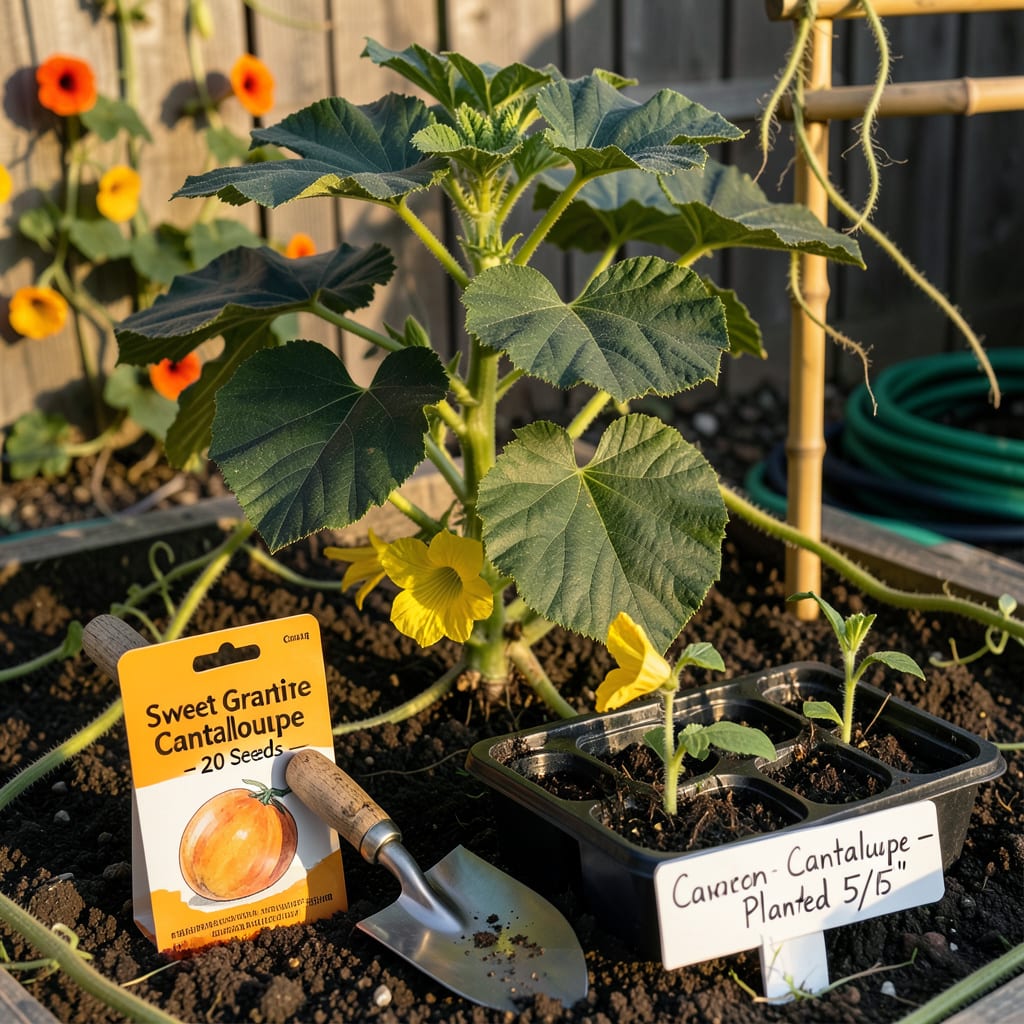
Nothing beats the taste of a homegrown 🍈 cantaloupe—sweet, juicy, and bursting with flavor. But in Zone 7, timing your planting wrong can mean the difference between a bumper crop and a disappointing harvest.
I’ve seen too many gardeners rush to plant in early spring, only to lose seedlings to a late frost. The good news? With the right schedule, you can grow melons so delicious they’ll rival anything from the farmers’ market. Let’s get your timing perfect.
If you’re growing cantaloupe in Zone 7, nailing the planting window is key. Our region’s last frost date (around April 15) and long summer heat create the perfect storm for sweet, juicy melons—but only if you time it right. Plant too soon, and a late frost will zap your seedlings. Wait too long, and your vines won’t have enough heat to ripen fruit before fall.
I’ve found the sweet spot for Zone 7 is 2–3 weeks after your last frost, when soil temps hit a consistent 70°F or higher. That usually means mid-April to early May for direct sowing. For a head start, begin seeds indoors 4 weeks before transplanting (think late March). Here’s how to make the most of our climate:
| Method | Start Indoors | Transplant Outdoors | Direct Sow |
|---|---|---|---|
| Zone 7 Timeline | Late March | Mid-April to early May | Early May (soil >70°F) |
| Soil Temp | N/A | 65°F+ | 70°F+ |
| Sun Requirement | 6+ hours | 6–8 hours | 8+ hours |
Pro Tip: Use black plastic mulch to warm soil faster in early spring!
For spring planting, aim to get seeds or transplants in the ground by early May. This gives your vines 120–150 days of warm weather to mature before first frost (typically mid-October). If you’re eager for an earlier harvest, start seeds indoors under grow lights in late March. Just be sure to harden off seedlings for a week before transplanting!
Want a second crop? Try a succession planting in early July. Choose fast-maturing varieties like ‘Athena’ (75 days) or ‘Minnesota Midget’ (70 days) to beat the frost. I’ve had great luck with this trick—just keep an eye on soil moisture during our hot summers. Mulch heavily to retain water and suppress weeds.
Remember, soil temperature is more critical than air temp. Cantaloupe seeds won’t germinate well below 65°F, and vines stunt in cold soil. Use a soil thermometer to check—if it’s below 70°F, wait or use row covers to warm the bed. In Zone 7, our springs can be unpredictable, so I always keep frost cloth handy for late cold snaps.
For direct sowing, prepare your bed by mixing in aged compost and ensuring full sun exposure. Plant seeds ½ inch deep, 18 inches apart in rows spaced 5–6 feet apart (or use a trellis for vertical growth). Thin seedlings to the strongest plant per spot once they’ve got 2–3 true leaves. This spacing prevents powdery mildew by improving airflow.
If you’re transplanting, handle seedlings carefully—cantaloupe roots hate disturbance. I use biodegradable peat pots to minimize shock. Plant at the same depth as in the pot, and water deeply with a balanced fertilizer (like 10-10-10) to encourage root growth. Avoid high-nitrogen fertilizers later, or you’ll get lots of leaves but few melons!
Watch for pests like cucumber beetles and squash bugs, which love young cantaloupe plants. I recommend row covers early on, removed once flowers appear for pollination. Companion plants like radishes or marigolds can deter pests naturally. And don’t forget to hand-pollinate if bees are scarce—just swipe a paintbrush between flowers!
By late summer, your vines should be loaded with fruit. Cantaloupes are ready to harvest when the stem slips easily from the vine and the netting turns beige. In Zone 7, this typically happens from July through September, depending on your planting date. Cut (don’t pull!) melons from the vine, leaving a short stem to prevent rot.
With the right timing, you’ll be rewarded with sweet, aromatic cantaloupes that put store-bought to shame. And if you’ve got space, try interplanting with bush beans or corn—they make great companions and maximize garden real estate. Happy growing! ☀️
Even with perfect timing, small errors can sabotage your cantaloupe harvest in Zone 7. I’ve seen gardeners lose entire crops to avoidable mistakes—like planting in cold soil or crowding vines. Let’s fix these before they cost you those sweet, juicy melons you’re dreaming of.
The biggest blunder? Ignoring soil temperature. Cantaloupe seeds need 70°F+ soil to germinate well, yet many Zone 7 gardeners plant too early when soils are still in the 50s or low 60s. This leads to poor germination or weak seedlings that never recover. Always use a soil thermometer—it’s a $10 investment that saves weeks of frustration.
Bonus Tip: Avoid high-nitrogen fertilizers after flowering—they’ll give you leaves, not melons!
Another common issue is misjudging the maturity timeline. Many Zone 7 gardeners plant late-summer crops without realizing cantaloupes need 80–100 days to mature. If you sow in July, choose fast varieties like ‘Athena’ (75 days) or ‘Minnesota Midget’ (70 days). Slow-maturing types like ‘Hale’s Best’ (90 days) won’t ripen before October frosts.
Watering mistakes also plague cantaloupe growers. Inconsistent moisture causes blossom-end rot or cracked fruit, while overhead watering invites fungal diseases. I use drip irrigation on a timer—1–2 inches per week, delivered at the base. Mulch with straw or grass clippings to retain moisture and keep fruit clean.
Don’t overlook pest pressure either. Cucumber beetles and squash bugs adore cantaloupe seedlings. I lost half my first crop to these pests before learning to use row covers early on (removed at flowering) and plant radish or nasturtium traps nearby. A weekly spray of neem oil can also deter infestations without harming pollinators.
Finally, harvesting too early is a heartbreaker. Many gardeners pick melons when they’re still green, mistaking size for ripeness. Wait until the stem slips easily (full slip stage) and the netting turns beige. In Zone 7, this usually happens July–September, depending on your planting date. Use the “sniff test”—a ripe cantaloupe will have a sweet, musky aroma at the blossom end.
By avoiding these pitfalls, you’ll grow plump, flavorful cantaloupes that are the star of your summer garden. And if you’ve struggled before, don’t give up—even experienced gardeners learn something new each season! 🌱
Not all cantaloupes thrive equally in Zone 7’s climate. The key to a bountiful harvest lies in selecting varieties that match our 180-day growing season and unpredictable spring weather. I’ve tested dozens of cultivars and found that days to maturity and disease resistance make or break your success.
For Zone 7 gardeners, I recommend focusing on mid-season varieties (75–90 days) that balance flavor with reliable production. Fast-maturing types like ‘Athena’ (75 days) are perfect for our shorter fall window, while classic heirlooms like ‘Hale’s Best’ (90 days) deliver unbeatable sweetness if planted early. Here’s how to pick the best fit for your garden:
| Variety | Days to Maturity | Flavor Profile | Best For |
|---|---|---|---|
| Athena | 75 days | Sweet, aromatic, firm | Late plantings, small gardens |
| Minnesota Midget | 70 days | Intense sweetness, small fruit | Containers, short seasons |
| Hale’s Best | 90 days | Rich, classic melon flavor | Early spring plantings |
| Ambrosia | 85 days | Extra-sweet, orange flesh | Disease-prone areas |
Pro Tip: For vertical growing, choose ‘Athena’ or ‘Minnesota Midget’—their compact vines trellis beautifully!
If you’re dealing with limited space, ‘Minnesota Midget’ is my top pick. Its compact vines (3–4 feet) thrive in containers or small raised beds, and the 4–5 inch fruits pack intense flavor. For disease resistance, ‘Ambrosia’ stands out—it resists powdery mildew better than most, crucial in our humid Zone 7 summers.
Heirloom lovers should try ‘Hale’s Best’, a 1923 classic with deep orange flesh and old-school sweetness. Just plant it early (late April) since it needs the full season. For succession planting, pair fast ‘Athena’ with slower ‘Ambrosia’ to extend your harvest from July through September.
Remember, variety selection impacts more than just flavor—it determines whether you’ll harvest before first frost (October 15 in Zone 7). Always check the days to maturity against your planting date. I keep a garden journal to track which varieties perform best in my microclimate, and I suggest you do the same! 🌱
For organic growers, all these varieties respond well to compost tea and fish emulsion fertilizers. Avoid synthetic high-nitrogen blends, which can make vines bushy but fruitless. Instead, focus on phosphorus-rich feeds once flowers appear to boost melon production.
Begin indoors 4 weeks before transplanting, typically late March for Zone 7. Use peat pots to minimize root disturbance later. Keep seedlings under grow lights for 12–14 hours daily to prevent legginess.
Yes! Try a succession planting in early July with fast-maturing varieties like ‘Athena’ (75 days). Ensure soil stays moist during germination—mulch heavily to combat summer heat.
Use a soil thermometer to check temps at 4-inch depth. Cantaloupe needs 70°F+ for germination. If below 65°F, warm the bed with black plastic mulch or row covers.
Cover plants with frost cloth or plastic tunnels if temps dip below 32°F. Remove covers during the day to prevent overheating. In Zone 7, keep protections handy until mid-May just in case.
This usually means too much nitrogen or poor pollination. Switch to a low-nitrogen fertilizer (like 5-10-10) and hand-pollinate flowers with a paintbrush if bees are scarce. Avoid overhead watering to protect pollen.
