
Beautiful Plants For Your Interior
Beautiful Plants For Your Interior
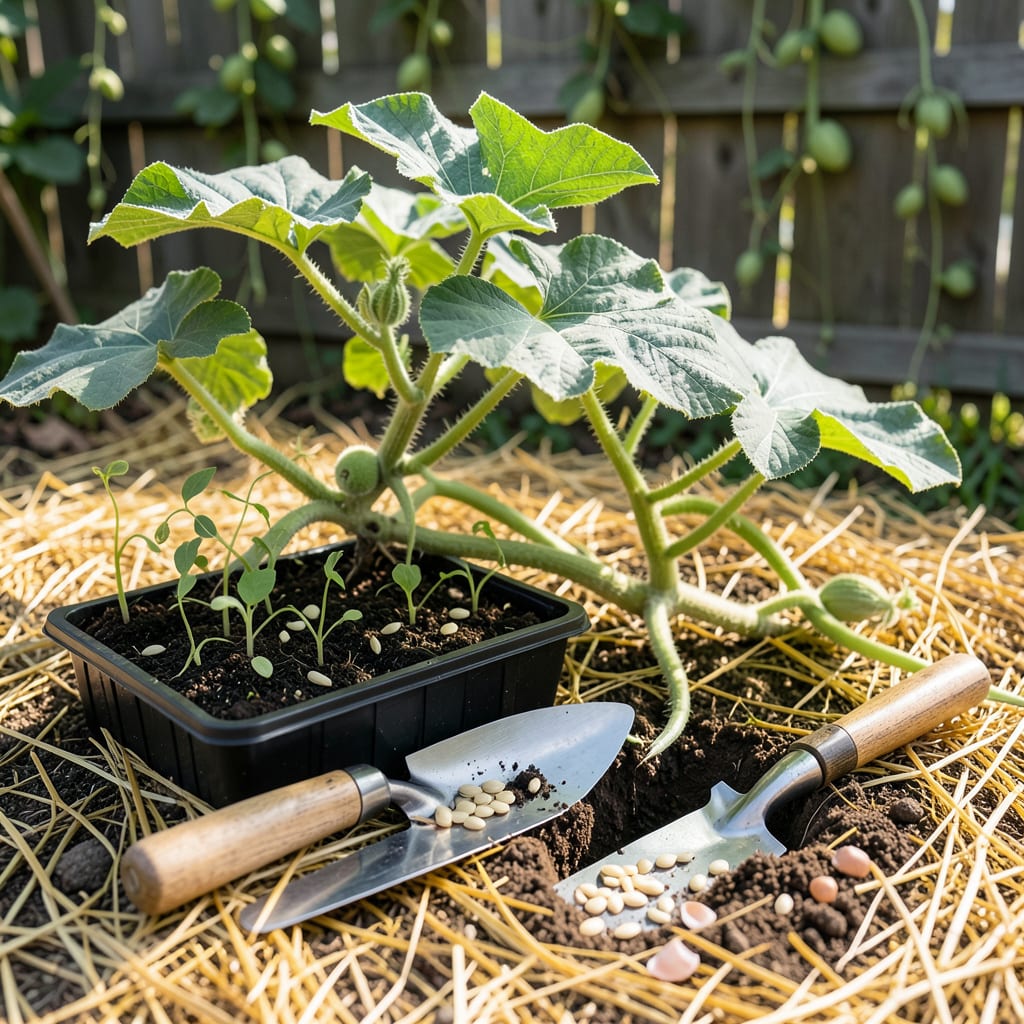
Nothing beats the taste of a homegrown 🍈 cantaloupe—juicy, sweet, and bursting with flavor. But in Texas, timing is everything. Plant too soon, and a late frost could wipe out your crop; wait too long, and the summer heat will fry your vines before they bear fruit.
I’ve tested the perfect planting window for Texas gardeners, and it all comes down to your region. Whether you’re in the Panhandle or the Gulf Coast, I’ll show you exactly when to get those seeds in the ground for a harvest that’ll make your neighbors jealous.
If you want to grow the sweetest, juiciest cantaloupes in Texas, timing is everything. The Lone Star State’s diverse climate means planting dates vary dramatically from the Panhandle to the Gulf Coast. I’ve broken it down by region so you’ll know exactly when to get those seeds in the ground.
Texas spans USDA zones 6a to 10a, with last frost dates ranging from early March in South Texas to mid-April in the Panhandle. Soil temperature is key—cantaloupes need at least 65°F to germinate, but they thrive in 70°F+.
| Region | USDA Zone | Planting Window | Last Frost Date | Recommended Variety |
|---|---|---|---|---|
| North Texas | 7a-8a | April 1 – May 1 | March 15 – April 1 | Hale’s Best |
| Central Texas | 8a-8b | March 15 – April 15 | March 1 – March 15 | Texas Sweet |
| South Texas | 9a-10a | February 15 – March 15 | January 30 – February 15 | Ambrosia |
| West Texas | 7b-8a | April 1 – May 1 | March 15 – April 1 | Sugar Cube |
In North and West Texas, wait until April to avoid late frosts. The soil warms up slower here, so planting too early risks seed rot. I recommend using black plastic mulch to speed up soil warming if you’re eager to get started.
Central Texas gardeners have more flexibility. You can start seeds indoors in late February and transplant in March, or direct sow in early April. Just watch for unexpected cold snaps—keep row covers handy!
Down in South Texas, you’re lucky—you can plant as early as mid-February. But beware of extreme summer heat. I’ve found that planting a second crop in late August for a fall harvest works well if you pick fast-maturing varieties like ‘Ambrosia’.
No matter where you are, soil prep is critical. Cantaloupes crave well-draining, sandy loam enriched with compost. If your soil is heavy clay, mix in aged manure or coconut coir to improve drainage. Aim for a pH of 6.0-6.8 for best results.
Spacing matters too! Give each plant 3-4 feet of space to sprawl. Overcrowding leads to poor air circulation, which invites powdery mildew—a common issue in humid East Texas. Use a trellis if space is tight; it saves room and keeps fruit off the ground.
Watering is where many Texas gardeners go wrong. Cantaloupes need consistent moisture, especially during flowering and fruiting. I use drip irrigation to deliver water directly to the roots, reducing waste and fungal risks. Water deeply 2-3 times per week, but avoid wetting the leaves.
Finally, don’t forget about pollinators! Cantaloupes rely on bees for fruit set. If you’re in an area with fewer bees, try hand-pollinating with a small paintbrush in the early morning. You’ll see a big difference in your harvest size.
With the right timing and care, you’ll be biting into homegrown cantaloupe by June or July. Trust me, once you taste that first sun-warmed melon straight from the vine, you’ll never go back to store-bought! 🌱
Texas gardeners often sabotage their cantaloupe harvests before the vines even take off. I’ve seen it happen year after year—simple oversights that lead to stunted growth or no fruit at all. The good news? These mistakes are easily avoidable once you know what to watch for.
One of the biggest culprits is ignoring soil temperature. Cantaloupe seeds won’t germinate in cold ground, and even established plants sulk if the soil dips below 65°F. Another common error? Overcrowding vines, which invites disease and reduces airflow in our humid Texas summers.
Another mistake I see is underestimating Texas pests. Cucumber beetles and squash bugs love cantaloupe vines. Without row covers or neem oil sprays, your plants may wilt overnight. And don’t forget about blossom-end rot—this calcium deficiency shows up as dark, sunken spots on fruit.
Many gardeners also overlook the importance of mulch. Bare soil in Texas means faster moisture loss and weed competition. A thick layer of straw or grass clippings keeps roots cool and conserves water during our brutal summers.
Finally, there’s the issue of poor variety selection. Not all cantaloupes thrive in Texas heat. Stick with heat-tolerant varieties like ‘Hale’s Best’ or ‘Texas Sweet’, which handle our long, hot growing season better than generic seed packets.
By avoiding these common mistakes, you’ll set your cantaloupe patch up for success. Remember, Texas gardening is all about working with our climate, not against it. A little extra planning now means sweeter, juicier melons later! 🌿
Growing cantaloupes in Texas heat isn’t just about timing—it’s about smart strategies to beat the scorching sun. I’ve tested countless methods, and the difference between a mediocre harvest and a bountiful, sweet crop comes down to a few key practices.
Start with soil prep—this is non-negotiable. Cantaloupes thrive in well-draining, sandy loam with plenty of organic matter. Mix in 2-3 inches of compost and a handful of balanced fertilizer (like 10-10-10) before planting. If your soil is heavy clay, add coconut coir or perlite to improve drainage.
Use black plastic mulch to warm soil faster in spring and straw mulch in summer to retain moisture and cool roots. This combo can boost yields by 20-30% in Texas heat!
Watering is where many Texas gardeners struggle. Cantaloupes need consistent moisture, but soggy soil invites disease. I recommend drip irrigation set to run 2-3 times per week, delivering water directly to the roots. Avoid overhead watering—wet leaves in our humidity lead to powdery mildew.
In peak summer, shade cloth can be a game-changer. Use 30-40% shade cloth during the hottest part of the day (1-4 PM) to prevent sunburn on leaves and fruit. This is especially critical in West and Central Texas, where temps often exceed 100°F.
Pollination is another make-or-break factor. Texas heat can reduce bee activity, so I hand-pollinate using a small paintbrush. Gently transfer pollen from male to female flowers in the early morning when flowers are most receptive. You’ll see more fruit set and fewer misshapen melons.
Finally, watch for pest pressure. Cucumber beetles and squash bugs love cantaloupes. I use row covers early in the season and switch to neem oil sprays once flowers appear. Harvest promptly when fruit is ripe—overripe melons attract pests like raccoons and squirrels. 🌿
For most of Texas, June is pushing it—cantaloupes need 70-85 days to mature, and summer heat can stress plants. In South Texas, you might get away with early June planting if you choose fast-maturing varieties like ‘Ambrosia’.
Starting indoors 3-4 weeks before your last frost date gives you a head start. Use biodegradable pots to avoid root shock when transplanting. Just harden off seedlings for 5-7 days before moving them outside.
Use 30-40% shade cloth during peak afternoon heat (1-4 PM) and apply 3-4 inches of mulch to retain moisture. Drip irrigation is a must—water deeply 2-3 times weekly at the base, never overhead.
‘Hale’s Best’ is foolproof for Texas—heat-tolerant, disease-resistant, and reliably sweet. For smaller gardens, try ‘Minnesota Midget’ (compact vines). Both thrive in our climate with minimal fuss.
