
Beautiful Plants For Your Interior
Beautiful Plants For Your Interior
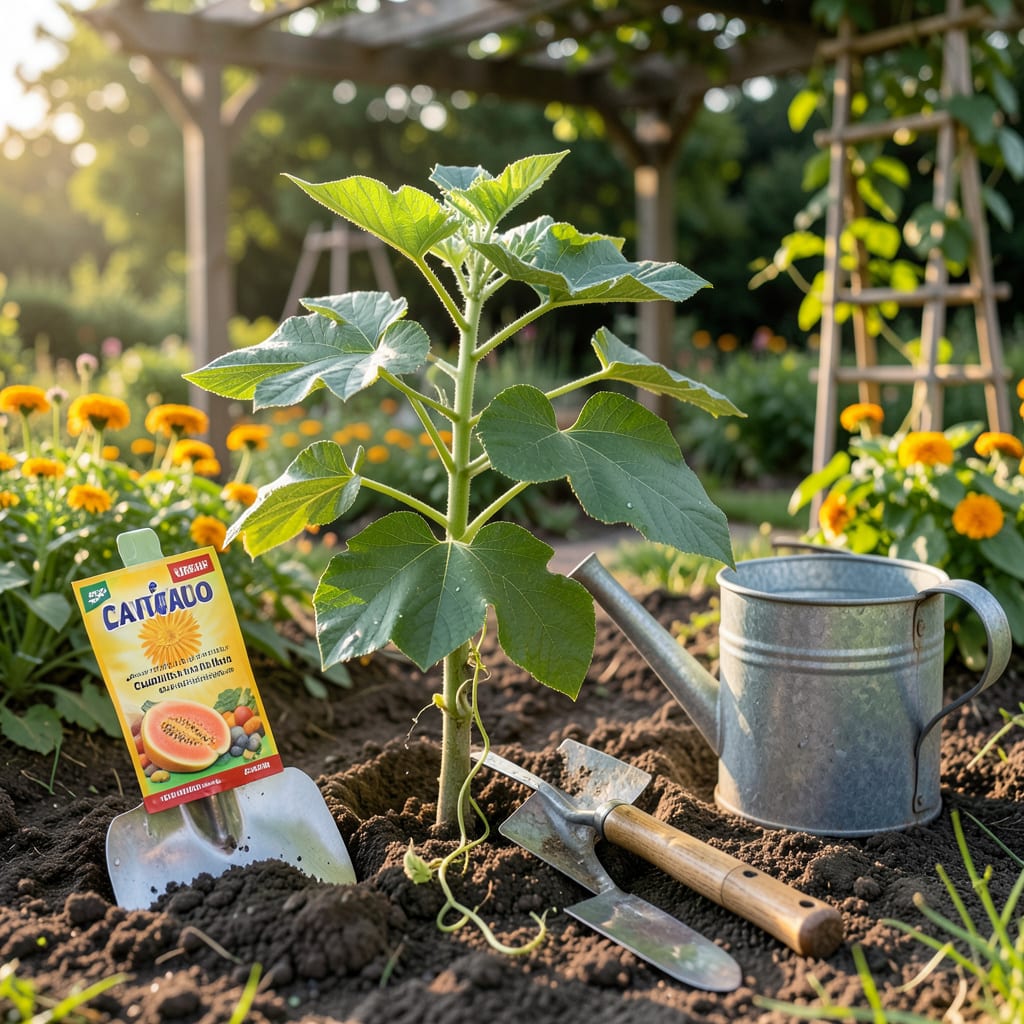
Nothing beats the taste of a homegrown 🍈 cantaloupe, still warm from the North Carolina sun. But timing your planting wrong can mean the difference between a bumper crop and a disappointing harvest.
I’ve seen gardeners struggle when they plant too early in cold soil or wait too long and miss the sweet spot. Let me show you exactly when to get those seeds in the ground for the juiciest, most flavorful cantaloupes—without the guesswork.
If you’ve ever bitten into a homegrown NC cantaloupe, you know nothing beats that sun-warmed sweetness. But nailing the planting window is tricky—our state’s three distinct regions (Piedmont, Coastal, Mountains) each have their own microclimates and frost risks.
In the Piedmont, where most of us garden, the last frost date hovers around April 15. Coastal areas warm up faster, often allowing planting by late March, while mountainous regions may need to wait until early May to avoid surprise frosts.
💡 Pro Tip: Use a soil thermometer at 2″ depth—if it reads below 65°F, hold off! Cold soil = slow germination.
I always remind gardeners: soil temperature trumps calendar dates. Even if your last frost date has passed, cantaloupe seeds need consistent warmth (ideally 70°F+) to germinate reliably. A cheap soil thermometer is my #1 tool for NC planting.
For fall cantaloupes, aim to plant by July 15 in the Piedmont—this gives fruits time to mature before cool nights reduce sugar development. Coastal gardeners can push this to early August, but mountain growers should stick to spring plantings only.
If you’re starting seeds indoors, begin 3–4 weeks before your outdoor planting date. Use peat pots to minimize transplant shock, and harden off seedlings for 7–10 days before moving them outside. I’ve found this extra step boosts survival rates in NC’s finicky springs.
Don’t forget microclimates! Urban areas like Raleigh or Charlotte may warm up 1–2 weeks earlier than rural spots due to heat islands. If you garden near brick walls or pavement, you might plant a week ahead of the regional dates above.
For succession planting, try staggering cantaloupe seeds every 2 weeks through May. This extends your harvest window and hedges against late frosts or pest outbreaks. I’ve had great luck with this method in my Zone 7b garden near Durham.
Remember: cantaloupes hate wet feet. If your NC spring is unusually rainy (and when isn’t it?), plant in raised beds or mounds to improve drainage. A drip irrigation system keeps foliage dry and prevents mildew—critical in our humid summers.
Finally, watch the 10-day forecast before planting. If nighttime temps will dip below 50°F, wait. Cantaloupes thrive when nights stay above 55°F, which typically happens in NC by late April in most areas.
Getting your cantaloupe seeds in the ground at the right time is only half the battle. In North Carolina, our soil conditions and microclimates can make or break your harvest. I’ve learned the hard way that even perfect timing fails if the soil isn’t ready.
The golden rule for cantaloupes: soil temperature must hit 70°F at a 2-inch depth. Anything cooler, and seeds rot or germinate sluggishly. Use a $10 soil thermometer—it’s the best investment for NC gardeners. I check mine at 9 AM for accurate readings.
⚠️ NC Cantaloupe Danger Zones
💡 Quick Fix: Lay black plastic mulch 2 weeks before planting to warm soil faster in spring.
Our NC clay soils often need help. Before planting, I mix in 2–3 inches of compost and a handful of sand per square foot to improve drainage. Cantaloupes despise wet feet, so raised beds or mounds work wonders in rainy springs. Test your soil pH—aim for 6.0–6.8.
Row covers are my secret weapon for early plantings. They trap heat, raising soil temps by 5–10°F, and protect young plants from wind. Remove them when flowers appear to allow bee pollination. In humid areas, use floating row covers to reduce fungal spores.
Watch the 10-day forecast like a hawk. If nights will dip below 55°F, hold off. Cantaloupes grow fastest when nights stay warm—this is why late April to early May plantings often outperform earlier attempts in most of NC. I’ve lost count of how many gardeners rush to plant in March, only to replant in May.
For fall plantings, timing gets trickier. Sow by July 15 in the Piedmont so fruits mature before cool nights reduce sugar. Coastal gardeners can push to early August, but mountain folks should skip fall cantaloupes entirely—the season’s too short. Always use drip irrigation to keep foliage dry and prevent mildew in our humid summers.
Finally, don’t ignore pollinators. Cantaloupes need bees to set fruit, so avoid pesticides during flowering. Plant marigolds or borage nearby to attract them. If you’re growing in a greenhouse, hand-pollinate with a small paintbrush every morning.
Even experienced NC gardeners make critical cantaloupe mistakes that slash yields. I’ve seen entire crops fail from just one wrong move—like planting in cold soil or ignoring pollinators. Let’s fix the most common blunders before they wreck your harvest.
The #1 killer of NC cantaloupes? Planting too early in spring. Soil below 65°F causes seeds to rot or germinate weakly. I’ve lost count of how many gardeners replant in May after their March sowings flop. Always check soil temp with a thermometer—don’t trust calendar dates alone.
💡 NC-Specific Tip: Our humid summers demand morning-only watering to prevent fungal diseases.
Another silent yield-killer is blossom-end rot, caused by calcium deficiency or uneven moisture. I combat this by adding crushed eggshells to the planting hole and mulching with straw to retain moisture. If you see dark, sunken spots on young fruits, act fast with a calcium spray.
Powdery mildew thrives in NC’s humidity. You’ll spot white, powdery patches on leaves by midsummer. My go-to prevention? Neem oil sprays every 10–14 days starting in June, plus pruning lower leaves for airflow. Remove infected leaves immediately to stop spread.
Don’t let vine borers destroy your plants! These pests drill into stems, causing sudden wilting. I wrap aluminum foil around stems at soil level to block them. For existing infestations, inject BT (Bacillus thuringiensis) into the stem with a syringe—it’s organic and highly effective.
Finally, harvest timing makes or breaks flavor. NC cantaloupes ripen 75–90 days after planting. Check for the “slip stage”—when the stem detaches easily with gentle pressure. Overripe melons split; underripe ones lack sweetness. I mark planting dates on my calendar to track maturity windows.
Coastal areas warm up faster than inland regions. You can start planting as early as late March, provided soil temps reach 65°F+. Use black plastic mulch to warm soil even earlier if needed.
Cold soil below 65°F causes seeds to rot or fail. Always check soil temperature at 2-inch depth with a thermometer. If it’s too cool, wait or use row covers to warm the soil first.
Yes, but choose a 5+ gallon container per plant and ensure full sun exposure. Use well-draining potting mix and water daily—containers dry out faster than garden beds. Vines will need trellising to save space.
Cover seedlings with floating row covers or cloches if temps drop below 50°F. Remove covers during the day to prevent overheating. In mountainous areas, wait until early May to plant.
In the Piedmont, plant by July 15 so fruits mature before cool nights. Coastal gardeners can push to early August, but mountain growers should skip fall plantings—the season’s too short.
