
Beautiful Plants For Your Interior
Beautiful Plants For Your Interior
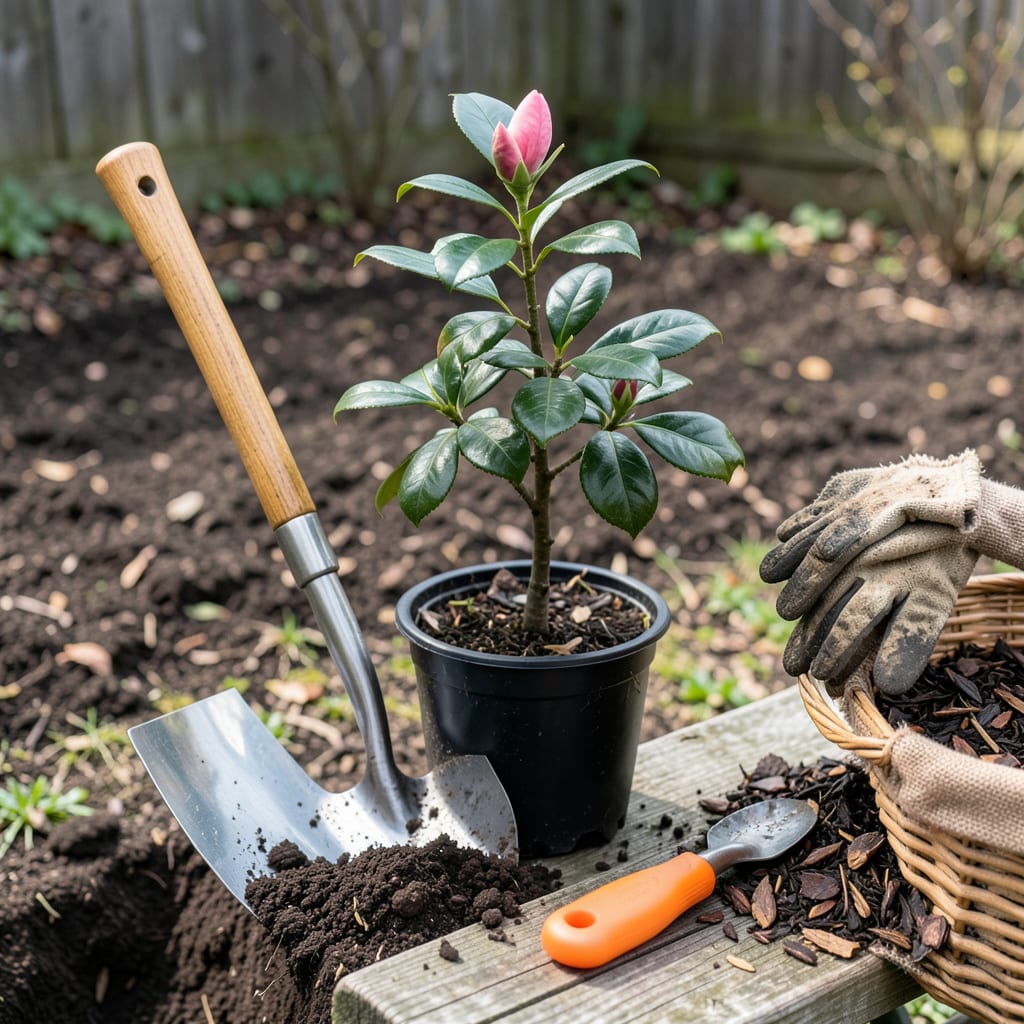
Imagine stepping into your garden next winter to find vibrant 🌸 camellias bursting with color while everything else sleeps. That dream starts with one critical decision: when to get them in the ground in Zone 8.
I’ve seen too many gardeners plant at the wrong time—only to watch their camellias struggle through scorching summers or unexpected frosts. The good news? There’s a perfect window in fall that sets you up for success. Let’s make sure you nail it.
If you’re in Zone 8, your camellias will thrive when planted at the right time. The golden window is October through November, after summer’s heat fades but before winter’s chill arrives. This timing lets roots establish without stress from extremes.
Why fall? Cooler soil temperatures (50°F–65°F) encourage root growth, while mild winters in Zone 8 protect new plants. Spring planting works too, but you’ll battle summer heat before roots fully develop. Let’s break it down month by month.
For bare-root camellias, stick to October-November. These plants need time to establish roots before winter dormancy. If you miss the fall window, early spring (February-March) is your backup—just be ready to water deeply through summer.
Soil temperature is your secret weapon. Aim for 50°F–65°F at planting depth (6 inches). Use a soil thermometer or check local ag extensions for real-time data. Too hot? Roots stagnate. Too cold? They won’t grow before winter.
Zone 8’s microclimates matter too. North-facing slopes stay cooler—great for late fall planting. South-facing spots warm up faster in spring but may need afternoon shade to protect young camellias from scorching.
If you’re planting multiple camellias, space them 5–10 feet apart (depending on variety). This ensures airflow to prevent fungal issues. For hedges, you can go as close as 3–4 feet, but expect more pruning to maintain shape.
After planting, mulch with 2–3 inches of pine bark or straw. This keeps roots cool in summer and insulated in winter. Avoid piling mulch against the trunk—it invites pests and rot. Water deeply 2–3 times per week for the first month, then taper off.
Watch for late frosts in Zone 8, especially in 8a vs. 8b. 8a gardeners (colder winters) should plant by early November. In 8b (milder), you can push to mid-November. Always have frost cloth ready for unexpected dips.
Remember, camellias are long-term investments. A little extra care in those first few months pays off with decades of winter blooms. If you’ve planted in fall, you’ll likely see your first flowers by next winter—just in time to brighten the dreariest season.
Still unsure? Grab a soil test kit to check pH (aim for 5.5–6.5) and amend with sulfur or lime as needed. Camellias hate “wet feet”, so if your soil is heavy clay, mix in 30% pine bark fines before planting.
Even with perfect timing, a few common missteps can derail your camellias before they ever bloom. I’ve seen gardeners lose plants to preventable errors—like choosing the wrong spot or skipping soil prep. Let’s tackle the top 5 mistakes and how to sidestep them.
First up: ignoring soil drainage. Camellias despise “wet feet”, and Zone 8’s clay-heavy soils often trap water. If your planting hole fills with water after a rain, you’ve got a problem. The fix? Amend with 30% pine bark fines or plant on a gentle slope.
Microclimate blindness is another silent killer. A south-facing wall might seem cozy, but it can create a heat trap in summer. Instead, opt for east-facing spots with morning sun and afternoon shade. Use a soil thermometer to confirm temps stay below 75°F at root level.
Here’s a mistake I see all the time: planting bare-root camellias in spring. These need fall planting to establish roots before winter. If you must plant in spring, choose container-grown specimens and water daily for the first month. Zone 8’s summer droughts are brutal on new roots.
Don’t overlook post-planting care. After planting, water deeply 3x weekly for the first month, then taper to 1x weekly. Use a drip irrigation system to deliver water slowly at the root zone. Avoid overhead sprinklers—they promote fungal diseases like petal blight.
Finally, variety mismatch can doom your camellias. Not all types thrive in Zone 8. For fall planting, choose cold-hardy Camellia japonica cultivars like ‘Winter’s Star’. For spring, opt for heat-tolerant Camellia sasanqua like ‘Yuletide’. Always check the mature size—some reach 12 feet tall!
Remember, camellias are marathon plants, not sprinters. Avoid these mistakes, and you’ll be rewarded with decades of winter color. Still nervous? Start with a single plant in a protected spot to test your site’s conditions before committing to a hedge.
Not all camellias are created equal—especially in Zone 8, where our mild winters and hot summers demand specific traits. Choosing the right variety for your planting season can mean the difference between a thriving shrub and a struggling one. Let’s match the best camellias to your timeline.
For fall planting, you’ll want cold-hardy varieties that establish roots quickly before winter. My top picks? Camellia japonica ‘Winter’s Star’ (withstands 10°F) and ‘Debutante’ (classic pink blooms). These handle Zone 8’s occasional late frosts without batting an eye.
If you’re planting in spring, prioritize heat-tolerant varieties like Camellia sasanqua ‘Yuletide’ or ‘Shishigashira’. These handle Zone 8’s summer scorchers better than most. ‘Yuletide’ even blooms during the holidays—perfect for festive curb appeal.
For year-round interest, mix varieties with staggered bloom times. Pair ‘Winter’s Star’ (Jan–Mar) with ‘April Remembered’ (Feb–Apr) for 4 months of flowers. Add ‘Setsugekka’ (Nov–Feb) for white contrast against darker varieties.
Remember, mature size matters! A ‘Debutante’ can reach 12 feet tall—great for privacy screens but overwhelming in small beds. For containers or tight spaces, stick to dwarf varieties like ‘Spring’s Promise’ (4–6 ft). Always check the tag for expected dimensions.
Zone 8’s humidity loves camellias, but it also invites fungal diseases. Choose varieties with glossy leaves (like ‘Winter’s Star’) that resist blight. Space plants for airflow, and water at the base—not overhead—to keep foliage dry.
Planting in summer forces camellias to battle heat stress before roots establish. In Zone 8, soil temps above 75°F can stall growth or even kill young plants. If you must plant in summer, choose container-grown specimens, water daily, and provide 50% shade cloth.
December planting is risky but possible if soil is workable and no hard freeze is forecasted. Focus on container-grown plants (not bare-root) and mulch heavily with 3–4 inches of pine bark. In Zone 8b, you’ve got slightly more wiggle room than 8a.
Use frost cloth (not plastic) to cover plants when temps dip below 28°F. Wrap the cloth loosely around the shrub and secure with stakes—never let it touch foliage. Water deeply the day before a frost; moist soil holds heat better than dry.
Spring-planted camellias need twice-weekly watering through summer to combat heat. Apply 2 inches of mulch to retain moisture, and avoid fertilizing until fall. Fall-planted camellias require less water but benefit from a light winter mulch for insulation.
They’ll survive but won’t thrive. Afternoon sun in Zone 8 scorch leaves and stresses roots. Opt for morning sun + afternoon shade (east-facing spots). If full sun is unavoidable, choose heat-tolerant varieties like Camellia sasanqua ‘Yuletide’ and water 2x weekly.
