
Beautiful Plants For Your Interior
Beautiful Plants For Your Interior
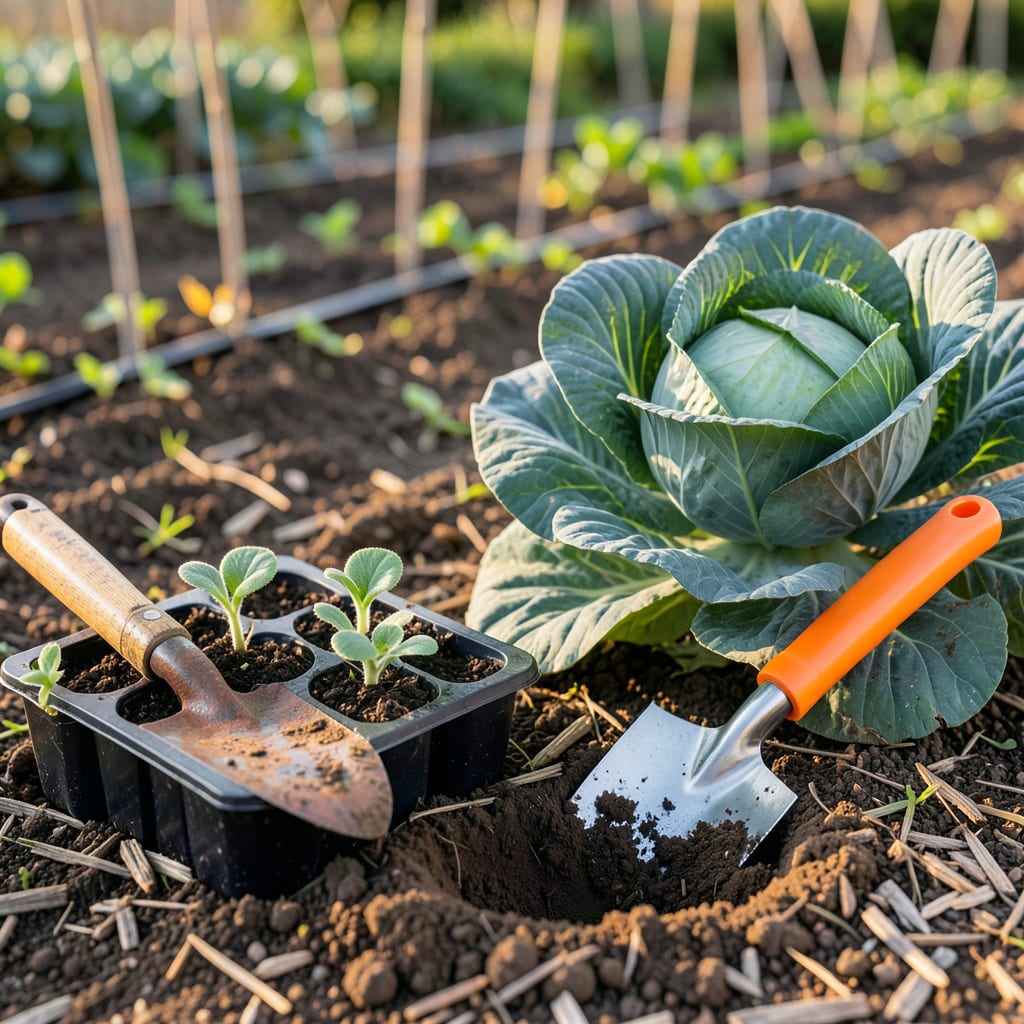
Timing your cabbage planting in Zone 7 can mean the difference between crisp, sweet heads and bitter disappointments. I’ve seen gardeners struggle with bolting in summer or stunted growth from late frosts—both avoidable with the right schedule.
Whether you’re aiming for a spring harvest or a fall bounty, Zone 7’s long growing season gives you two prime windows. Let’s break down the exact months to plant, why they matter, and how to sync your cabbage with the weather—not against it.
Getting your cabbage planting timing right in Zone 7 means the difference between tight, sweet heads and bitter, loose leaves. I’ve found that spring and fall are both prime seasons here, but the windows are tighter than you might think. Our last frost date (around April 15) and first frost (near October 15) bookend the growing season perfectly for two crops.
For spring cabbage, you’ll want to start seeds indoors 6-8 weeks before that last frost—so late February to early March. Direct sowing works too, but wait until 2-4 weeks before frost when soil hits 45°F. Fall plantings need to go in 6-8 weeks before first frost, putting you in the August to early September window.
🌱 Pro Tip: For Zone 7a (colder pockets), push spring plantings 1 week later. In Zone 7b, you can start 7-10 days earlier—just watch for late frosts!
I always remind gardeners that soil temperature trumps calendar dates. Use a soil thermometer to confirm you’ve hit that 45°F minimum for spring or 50°F for fall. Cabbage seeds won’t germinate well in cold soil, and transplants will sulk if the ground’s too chilly. A black plastic mulch can warm soil faster in early spring.
For succession planting, stagger your spring sowings every 2 weeks through March. This spreads out harvests and reduces gluts. Fall plantings are trickier—aim to have plants near maturity when temperatures drop below 80°F to avoid bolting. I’ve had great luck with ‘Golden Acre’ (early) and ‘January King’ (cold-hardy) in Zone 7.
Watch the 10-day forecast before transplanting. If nights will dip below 40°F, protect seedlings with frost blankets or cold frames. Fall cabbage can handle light frosts (even down to 28°F), which actually sweetens the flavor. Just avoid hard freezes without protection.
If you’re growing in containers, start seeds 1 week earlier than in-ground plantings—pots warm up faster but also dry out quicker. Use a well-draining potting mix with compost, and keep soil consistently moist. Container-grown cabbage may need daily watering in summer heat.
Remember that day length affects heading. Cabbage forms tight heads when days are 10-12 hours long, which aligns perfectly with Zone 7’s spring and fall. Summer’s long days can cause premature bolting, so avoid planting in May or June unless you’re growing heat-tolerant varieties like ‘Gonzo’.
For organic gardeners, work in 1-2 inches of compost before planting and side-dress with fish emulsion every 3-4 weeks. Cabbage is a heavy feeder, so don’t skimp on nutrients. Yellowing lower leaves often signal a nitrogen deficiency—address it quickly with a blood meal top-dressing.
Finally, keep an eye out for cabbage worms and aphids, which peak in Zone 7 during April-May and September-October. I swear by floating row covers for organic control. Handpick pests early, or spray with neem oil at the first sign of damage. Healthy plants recover faster!
🌱Even with perfect timing, your Zone 7 cabbage can fail if you overlook these common mistakes. I’ve seen gardeners lose entire crops to preventable errors—like planting during heatwaves or crowding seedlings. Let’s fix that before you sow a single seed.
The biggest issue? Ignoring soil pH. Cabbage thrives in 6.0-6.8 pH, but Zone 7 soils often skew acidic. Test your soil first—if it’s below 5.8, work in lime a month before planting. Skipping this step leads to poor nutrient uptake and stunted heads.
Fix it: Use shade cloth for late plantings, install covers at transplanting, and thin seedlings early.
Another costly mistake: planting during summer heat. Cabbage bolts (goes to seed) when temps exceed 80°F. In Zone 7, that means avoiding May-July plantings unless you’re using heat-tolerant varieties like ‘Gonzo’ or ‘Blue Dynasty’.
I’ve also seen gardeners underestimate water consistency. Cabbage needs 1-1.5 inches weekly, including rain. Uneven watering causes heads to split or develop tip burn. Use a drip irrigation system on a timer to maintain steady moisture, especially in our dry Augusts.
Spacing errors are surprisingly common too. Crowded cabbage won’t form full heads and invites disease. Stick to 12-18 inches apart for standard varieties, 24 inches for giants like ‘King Cole’. Use a measuring stick when transplanting—it’s worth the extra minute!
Finally, don’t forget crop rotation. Planting cabbage in the same spot yearly invites clubroot and pests. Wait 3-4 years before replanting brassicas in that area, or grow in containers with fresh soil. I rotate my cabbage with beans or tomatoes to break pest cycles naturally.
🌱Not all cabbage varieties thrive equally in Zone 7’s unique climate. I’ve tested dozens over the years and found that early-maturing types excel in spring, while cold-hardy varieties shine in fall. The key is matching days to maturity with our 180-day growing season.
For spring plantings, focus on fast-growing varieties like ‘Golden Acre’ (60 days) or ‘Early Jersey Wakefield’ (63 days). These beat the heat and form tight heads before summer temperatures trigger bolting. Fall crops give you more flexibility—opt for ‘January King’ (100 days) or ‘Red Express’ (75 days).
🌱 Zone 7 Picks: For summer heat, try ‘Gonzo’ (70 days, heat-resistant). Need winter storage? ‘Danish Ballhead’ holds well in root cellars.
If you love savoy cabbage, ‘Alcosa’ (85 days) is my top Zone 7 pick. Its crinkled leaves resist pests better than smooth types, and it handles light frosts beautifully. For red cabbage, ‘Ruby Perfection’ (85 days) holds its color even in variable spring weather.
Mini cabbages like ‘Caraflex’ (60 days) are perfect for container gardening in Zone 7. They form 1-pound heads ideal for small spaces. Pair them with ‘Pixie’ (50 days) for a quick harvest. Both tolerate partial shade, making them great for patios.
For organic gardeners, ‘Farao’ (65 days) resists cabbage worms naturally. Its tight heads also deter pests. If clubroot is a problem in your soil, try ‘Kilaton’ (70 days)—it’s bred for disease resistance and thrives in Zone 7’s moist springs.
🌱Avoid summer plantings in Zone 7—cabbage bolts when temperatures exceed 80°F. Stick to spring (Feb-Apr) and fall (Aug-Sep) windows. If you must plant in heat, choose varieties like ‘Gonzo’ and use shade cloth.
Fall cabbage can handle light frosts down to 28°F. Use frost blankets or cold frames for hard freezes. Surprisingly, light frosts actually sweeten the flavor. Just avoid prolonged exposure below 25°F without protection.
Space standard varieties 12-18 inches apart in rows 24-36 inches wide. Mini types like ‘Pixie’ need just 10-12 inches. Proper spacing prevents disease and ensures full heads. Use a measuring stick when transplanting for accuracy.
Choose containers at least 12 inches deep with drainage. Start seeds 1 week earlier than in-ground plantings. Container cabbage may need daily watering in summer. Try compact varieties like ‘Caraflex’ for best results.
Splitting usually results from uneven watering or over-maturity. Maintain consistent moisture (1-1.5 inches weekly) and harvest when heads feel firm. If heavy rain is forecast, twist plants slightly to break roots and slow growth.
