
Beautiful Plants For Your Interior
Beautiful Plants For Your Interior
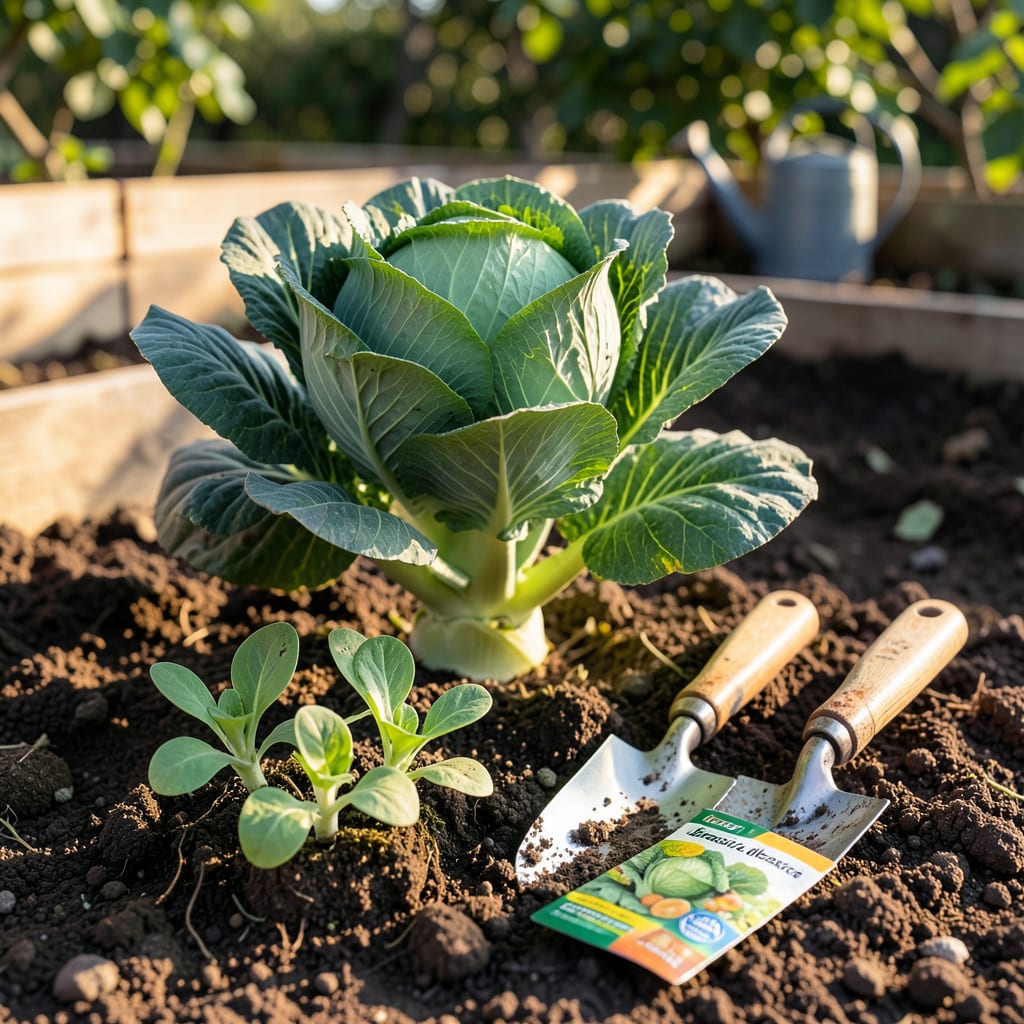
Ever planted 🥬 cabbage in Texas only to watch it bolt in the heat or freeze before forming heads? You’re not alone—this cool-season crop demands precise timing to thrive in our unpredictable climate.
The difference between a bountiful harvest and a garden flop often comes down to just 2-3 weeks. I’ll show you exactly when to plant for crisp, sweet cabbage—whether you’re in the Panhandle or the Gulf Coast—so you never guess again.
Texas gardeners face a unique challenge: our state spans USDA Zones 6-10, meaning what works in Amarillo won’t fly in Houston. The secret? Fall planting is king for most regions, but spring windows exist if you’re quick. Let’s break down the exact timelines.
I’ve found that soil temperature (not just air temps) is your best guide. Cabbage thrives when soil stays between 45–85°F. Below 40°F, seeds rot; above 90°F, plants bolt. That’s why Texas’s fall/winter window is ideal—except along the Gulf Coast.
| Region | USDA Zone | Fall Planting | Spring Planting | Notes |
|---|---|---|---|---|
| Panhandle | 6b-7a | Aug 15–Sep 15 | Mar 1–Apr 1 | Watch for late frosts in spring |
| North Texas | 7b-8a | Sep 1–Oct 15 | Feb 15–Mar 15 | Use row covers for frost protection |
| Central Texas | 8a-8b | Sep 15–Nov 1 | Feb 1–Mar 1 | Avoid late freezes in March |
| Gulf Coast | 9a-10a | Oct 1–Dec 15 | N/A | Plant heat-tolerant varieties only |
| South Texas | 9b-10b | Oct 15–Jan 1 | N/A | Grow as winter crop |
For spring planting, timing is tighter. I start seeds indoors 6-8 weeks before the last frost, then transplant when seedlings have 4-6 true leaves. In Central Texas, that means sowing seeds in January for a March transplant.
Fall is far more forgiving. Direct-sow seeds 10-12 weeks before your first frost, or transplant seedlings 6-8 weeks ahead. For example, Dallas gardeners should plant by October 15 to avoid November’s temperature swings.
Along the Gulf Coast, skip spring entirely. The humidity and heat trigger bolting before heads form. Instead, plant from October through December for a January–March harvest. Varieties like ‘Gonzales’ or ‘Early Jersey Wakefield’ handle the mild winters well.
In the Panhandle, cold-hardy varieties like ‘January King’ or ‘Winter King’ survive temps down to 20°F. Use black plastic mulch to warm soil for earlier spring starts, but be ready to cover plants if late frosts threaten.
Pro tip: Check your local frost dates via Texas A&M AgriLife’s county-specific guides. A soil thermometer ($10 at any garden center) removes all guesswork—plant when soil hits 50°F for fall crops.
If you’re planting transplants, harden them off for 5-7 days before moving outdoors. I lost an entire flat of seedlings once by skipping this step—don’t make my mistake! Set plants 18-24 inches apart in rows 3 feet apart for airflow.
For succession planting, make small sowings every 2 weeks through your region’s window. This staggers harvests and prevents gluts. In Central Texas, I plant September 1, 15, and October 1 for cabbage from November through January.
Planting cabbage in Texas isn’t just about picking a date—it’s about understanding how our unique climate interacts with this cool-season crop. While timing is key, I’ve found that soil temperature, daylight hours, and variety selection can make or break your harvest. Let’s dig into what really matters.
First, Texas’s wild temperature swings demand attention. Cabbage thrives when soil temps stay between 45–85°F, but our summers can push well beyond that. Even in fall, unexpected heat waves can stress plants. I always check the 10-day forecast before transplanting to avoid a sudden warm spell.
Let’s talk about variety selection, because not all cabbages handle Texas heat equally. In South Texas (Zones 9-10), I swear by ‘Rio Verde’—it’s bred for heat resistance and holds up even when temps creep into the 80s. For North Texas (Zones 7-8), ‘Stonehead’ is a classic choice for reliable fall harvests.
Watering consistency is another game-changer. Texas’s clay-heavy soils can stay soggy or dry out fast. I use drip irrigation on a timer to keep moisture even—1–1.5 inches per week is ideal. Mulch with straw or shredded leaves to regulate soil temp and retain moisture during those unpredictable dry spells.
Don’t overlook daylength sensitivity. Cabbage forms heads in response to daylight hours, and Texas’s short winter days can delay maturity. If you’re planting in late fall, choose early-maturing varieties (like ‘Golden Acre’) to ensure heads form before daylight dwindles too much.
Finally, pest pressure in Texas is no joke. Cabbage loopers and aphids love our mild winters. I rotate crops annually and use floating row covers at planting to keep pests off young plants. A weekly spray of neem oil or insecticidal soap can prevent infestations before they start.
Remember, even perfect timing won’t save cabbage if the soil is poor or pests take over. Test your soil, pick the right variety for your zone, and stay vigilant with water and pest control. That’s how you’ll grow crisp, sweet heads—not bitter, bolted flops. 🌱
Even with perfect timing, Texas gardeners often run into cabbage troubles. I’ve made my share of mistakes—like planting too late in spring or skipping pest control—only to watch heads split or bolt before harvest. Let’s tackle the top 5 cabbage blunders I see in Texas gardens.
The biggest error? Ignoring our unpredictable heat waves. Even in fall, a sudden 90°F day can trigger bolting. I now use shade cloth (30–50%) on hot afternoons to protect young plants. If temps spike, water deeply at dawn to cool roots.
Another common issue is poor head formation. If your cabbage stays loose-leafed, it’s likely stressed by uneven watering or nutrient deficiencies. I fix this with drip irrigation and a balanced fertilizer (10-10-10) at planting, then again when heads start forming.
Texas’s clay-heavy soils can also sabotage cabbage. Compacted soil stunts roots, leading to small, bitter heads. Before planting, I work in 2–3 inches of compost and sand to improve drainage. Raised beds are ideal if your soil is particularly dense.
Finally, don’t overlook succession planting. Many gardeners plant all seeds at once, leading to a glut of cabbage or missed harvest windows. Instead, sow small batches every 2 weeks through your region’s planting window. In Central Texas, I plant September 1, 15, and October 1 for staggered harvests.
For pest control, I swear by floating row covers at planting. They block cabbage moths (which lay looper eggs) while letting light and water through. Remove covers only when heads need space to expand. A weekly neem oil spray keeps aphids at bay without harsh chemicals.
Use 30–50% shade cloth during peak afternoon heat to prevent bolting. Water deeply at dawn to cool roots, and mulch with straw or leaves to regulate soil temperature. Even fall plantings can suffer if temps spike above 85°F.
Choose containers at least 12 inches deep with drainage holes. Use a mix of potting soil and compost, and keep soil consistently moist. Dwarf varieties like ‘Golden Acre’ work best for small spaces.
Heads should feel firm and heavy when squeezed, with leaves tightly wrapped. Size varies by variety, but most reach 6–8 inches in diameter. Harvest before heads split by cutting at the base with a sharp knife.
Planting too late in spring or ignoring soil temperature. Cabbage bolts if exposed to heat above 90°F. Always check the 10-day forecast and use a soil thermometer to confirm temps are 45–85°F before planting.
For South Texas, try ‘Rio Verde’ or ‘Gonzales’—both tolerate heat better than standard varieties. In North Texas, ‘Stonehead’ resists bolting. Always prioritize fall planting, as summer heat is too extreme for most cabbage types.
