
Beautiful Plants For Your Interior
Beautiful Plants For Your Interior
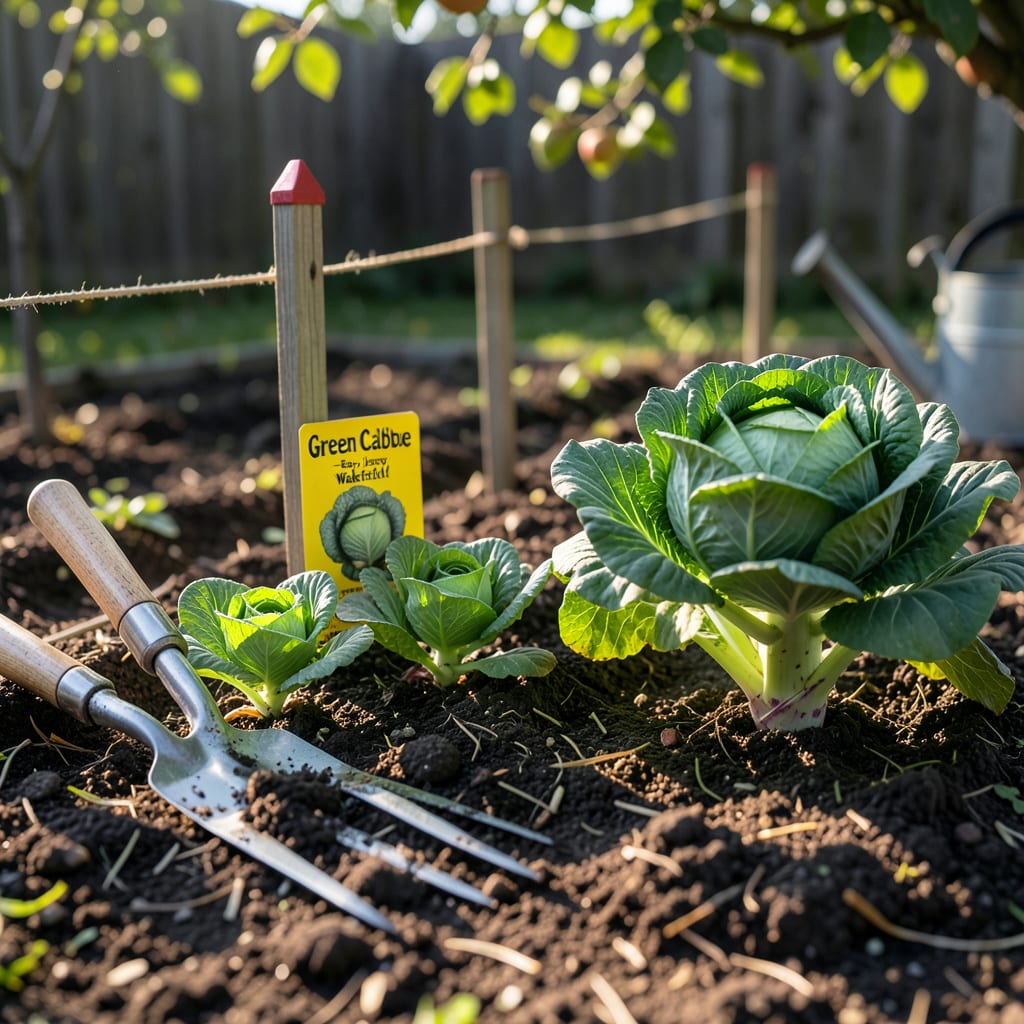
Timing can make or break your 🥬 cabbage harvest in Tennessee. Plant too early, and a late frost might wipe out your seedlings. Wait too long, and those crisp heads could turn bitter in the summer heat.
After years of testing what works in our 7a-8a climate, I’ve nailed down the perfect windows for both spring and fall plantings. Whether you’re in the Smoky Mountains or the Mississippi River Valley, I’ll show you exactly when to get those seeds in the ground for the best results.
If you’re growing cabbage in Tennessee, timing is your secret weapon. This cool-season crop thrives in temperatures between 45°F–75°F, making spring and fall the perfect windows. But Tennessee’s diverse climate—from the cooler mountains to the warmer river valleys—means planting dates vary by zone.
I’ve broken down the ideal planting times for USDA Zones 5a through 8a, which cover all of Tennessee. Whether you’re in Memphis (Zone 8a) or the Smoky Mountains (Zone 5a), you’ll find the right window to avoid frost damage or heat stress. Let’s dig in! 🌱
| USDA Zone | Spring Planting | Fall Planting | Last Frost Date | First Frost Date |
|---|---|---|---|---|
| 5a (East TN) | Mid-April to May | Late July to early August | April 20–30 | October 1–10 |
| 6a (Middle TN) | Late March to early April | Mid-July to early August | April 10–20 | October 15–25 |
| 6b (Central TN) | Early to mid-March | Late July | April 1–10 | October 20–30 |
| 7a (West TN) | Late February to early March | Late July to early August | March 20–30 | November 1–10 |
| 7b (Southwest TN) | Mid-February | Early August | March 10–20 | November 10–20 |
| 8a (Memphis) | Early February | Late August | March 1–10 | November 20–30 |
Note: Adjust dates by 1–2 weeks for microclimates (e.g., urban heat islands or mountain valleys).
For spring planting, start seeds indoors 6–8 weeks before your last frost date. This gives seedlings a head start before transplanting. If you prefer direct sowing, wait until soil temps reach at least 40°F—usually a few weeks after the last frost.
Fall cabbage is a Tennessee gardener’s best-kept secret. The key is timing your planting so heads mature before the first hard frost. In Zone 7b, for example, sow seeds in early August for a late October harvest. Use a soil thermometer to confirm temps are below 85°F—hot soil can prevent germination.
If you’re in higher elevations (like the Smokies), lean toward the later end of the spring window. Frost pockets can linger, and cabbage seedlings are vulnerable to temperatures below 25°F. Use row covers or cloches for extra protection if needed.
For warmer zones (like Memphis), you can push the envelope with early February plantings, but watch for late frosts. I recommend keeping a stash of frost blankets handy. Fall plantings here can stretch into late August, but avoid September—heat stress causes bitter, loose heads.
Pro tip: Succession planting works wonders in Tennessee. For spring, sow a new batch every 2–3 weeks until mid-April. For fall, start in late July and repeat until early August. This staggers your harvest and prevents a cabbage glut. Pair with fast-maturing varieties like ‘Golden Acre’ (60 days) for quick turnarounds.
Don’t forget soil prep! Cabbage craves well-draining, fertile soil with a pH of 6.0–6.8. Work in 2–3 inches of compost or aged manure before planting. If your soil is heavy clay (common in Middle TN), mix in sand or perlite to improve drainage and prevent root rot.
Finally, keep an eye on the 10-day forecast before planting. If a late frost or heatwave is predicted, hold off or use season extenders. Tennessee’s weather can be unpredictable, but with these zone-specific guidelines, you’ll be harvesting crisp, sweet cabbage all season long! 🪴
Even with perfect timing, small errors can derail your 🥬 cabbage crop. After helping dozens of Tennessee gardeners troubleshoot their plants, I’ve seen the same five mistakes repeat year after year. These blunders lead to bolting, bitter heads, or worse—no harvest at all.
Let’s tackle the most common pitfalls so you can sidestep them. Trust me, fixing these will save you weeks of frustration and help you grow tight, sweet heads every time. Here’s what to watch for—starting with the biggest offender: ignoring microclimates.
First up: disregarding Tennessee’s microclimates. A planting date that works in Memphis (Zone 8a) might fail in the Smoky Mountains (Zone 5a). I’ve seen gardeners in higher elevations lose entire crops because they followed a Middle TN schedule without adjusting for cooler temps.
Always check your exact frost dates using the UT Extension’s county-specific guides. For example, Sevier County (Zone 6b) often has frost pockets that linger 2–3 weeks later than Nashville. When in doubt, use a soil thermometer—cabbage seeds germinate best at 50°F–65°F.
Another classic mistake? Planting too late in spring. Cabbage bolts (goes to seed) when exposed to prolonged heat. In West TN, I recommend stopping spring plantings by mid-March. Any later, and you risk heads forming in May’s warming temps, which turns them bitter and tough.
For fall crops, the opposite problem arises: planting too early. Seeds sown in July’s heat often struggle to germinate, and seedlings may wilt. Wait until soil temps drop below 85°F—usually late July to early August for most zones. Use shade cloth if you must plant earlier to protect young plants.
Finally, don’t overlook pest pressure. Tennessee’s humid summers invite cabbage worms and flea beetles. I combat this by interplanting with thyme or mint and using floating row covers until heads form. A weekly spray of neem oil (1 tbsp per gallon) keeps most pests at bay without chemicals.
By avoiding these five missteps, you’ll set your cabbage up for success. Remember: Tennessee’s unpredictable swings—from late frosts to sudden heatwaves—demand flexibility. Keep a garden journal to track what works in your specific spot, and adjust next season accordingly. Your reward? Crisp, homegrown cabbage that puts grocery store heads to shame! 🌿
Not all cabbage thrives in Tennessee’s humid summers and variable springs. After testing dozens of varieties in my own garden, I’ve narrowed it down to the top performers for our climate. The key? Matching days-to-harvest with our short spring and long fall seasons.
For spring plantings, focus on early-maturing varieties like ‘Golden Acre’ (60 days) or ‘Early Jersey Wakefield’ (63 days). These avoid the May heatwave that turns later varieties bitter. In fall, mid-season types like ‘Stonehead’ (75 days) shine, maturing just as cooler weather sweets their flavor.
For East Tennessee’s cooler zones (5a-6a), I swear by ‘January King’. Its purple-tinged leaves handle frost like a champ, and it stores for months in a root cellar. In West TN’s heat (7b-8a), ‘Golden Acre’ is my go-to—its small, tight heads mature fast before temperatures soar.
Want pest resistance? ‘Stonehead’ laughs at cabbage worms, and ‘Gonzo’ (a savoy type) resists flea beetles. Both thrive in Tennessee’s humid summers when planted for fall harvest. For container gardeners, ‘Early Jersey Wakefield’ stays compact and produces 2–3 lb heads in just 9″ pots.
Pro tip: Pair fast varieties (60–70 days) with slow bolters like ‘Farao’ (a hybrid) for succession planting. Sow ‘Farao’ in late July for a November harvest—it holds in the field longer than most. Always check the seed packet’s “days to maturity” and count backward from your first frost date for fall plantings.
Remember, Tennessee’s clay-heavy soil can stunt cabbage roots. Amend beds with composted manure before planting, and side-dress with balanced fertilizer (10-10-10) when heads start forming. With the right variety and timing, you’ll pull crisp, sweet heads from your garden when grocery stores are selling sad, wilted imports! 🌿
Use frost blankets or cloches to shield young plants when temps dip below 25°F. In East TN’s higher elevations, add a 2–3 inch mulch layer for extra insulation. Always check the 10-day forecast before planting.
Choose compact varieties like ‘Early Jersey Wakefield’ and use 5-gallon containers with drainage. Place in full sun (6+ hours) and water every 3–4 days, as pots dry out faster than ground soil.
Splitting usually happens from uneven watering or rapid growth after heavy rain. Maintain consistent moisture (1–1.5 inches/week) and harvest heads promptly when firm. If splits occur, use the leaves for coleslaw—they’re still edible!
Harvest when heads feel solid like a baseball and reach 4–10 inches (variety-dependent). Check for tight inner leaves and slight yellowing of outer leaves. Cut at the base with a sharp knife for clean removal.
