
Beautiful Plants For Your Interior
Beautiful Plants For Your Interior
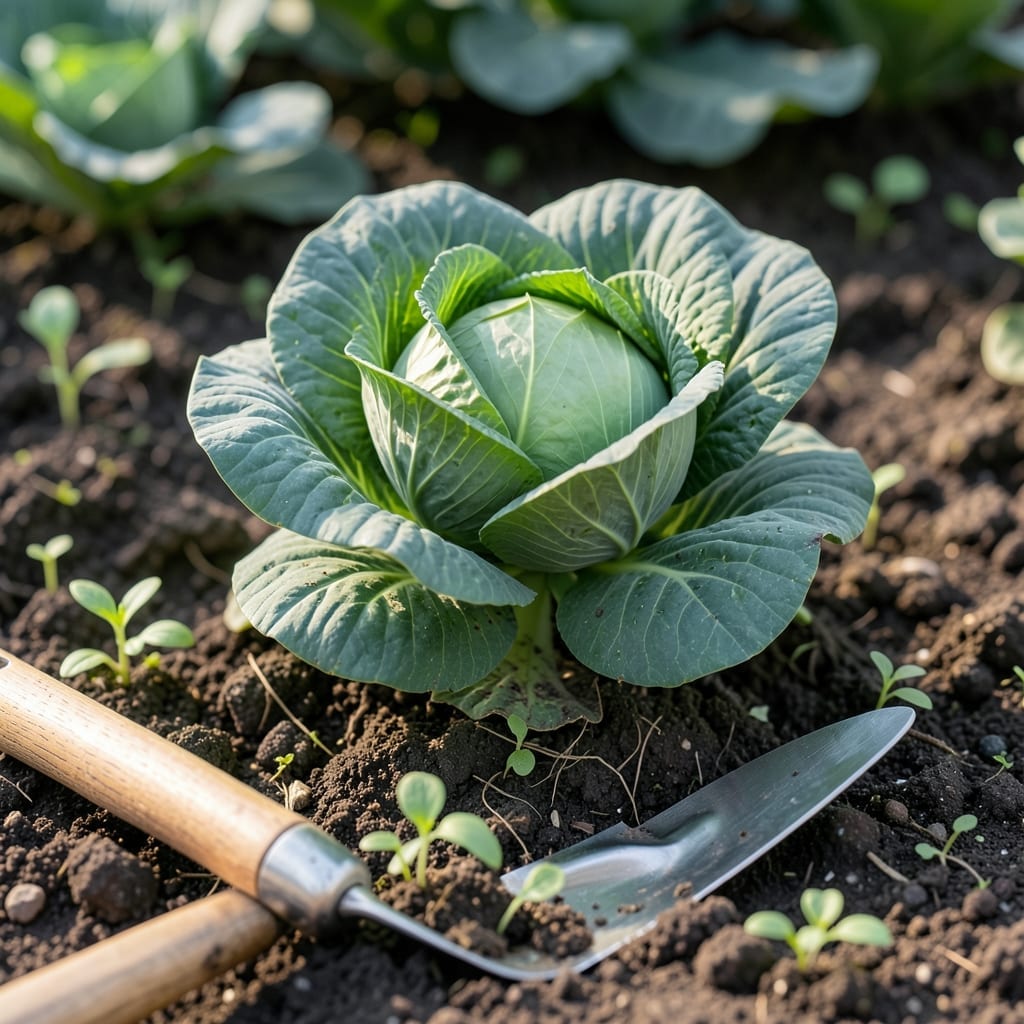
Timing is everything when growing Cabbage 🥬 in South Carolina—plant too early or too late, and you risk bolted heads or stunted growth. The Palmetto State’s unique climate demands precision.
I’ve learned that missing the optimal window by even a few weeks can make or break your harvest. Whether you’re in the coastal lowcountry or the upstate hills, the timing varies.
What if you could pinpoint the exact moments to plant for the biggest, healthiest heads? The spring and fall windows here are your golden opportunities.
Let me show you how to synchronize your planting with South Carolina’s seasons. The difference between success and disappointment often comes down to these critical timing decisions.
In South Carolina, cabbage thrives when planted during the cool seasons. The Palmetto State’s diverse climate means planting windows vary by region, but spring and fall are your best bets for healthy heads.
I’ve found that timing your planting around frost dates is critical. Coastal areas have a longer growing season, while the Upstate and Piedmont require earlier starts to avoid heat stress.
| Region | Spring Planting | Fall Planting | Notes |
|---|---|---|---|
| Coastal | Feb 1 – Mar 15 | Aug 15 – Sept 15 | Mild winters, avoid late frost |
| Piedmont | Feb 15 – Mar 30 | Aug 1 – Sept 1 | Watch for early fall frost |
| Upstate | Mar 1 – Apr 1 | July 15 – Aug 15 | Shorter season, colder winters |
For spring cabbage, aim to plant 4-6 weeks before your last frost date. In most of SC, that means starting seeds indoors in January or direct sowing in February.
The fall crop is often more reliable in our climate. I start seeds in July for a late summer transplant, ensuring mature heads before the first hard frost in November.
Coastal gardeners can push their fall planting later, sometimes into early October, thanks to milder temperatures. But watch for cabbage worms—they love the warm humidity!
In the Piedmont, I recommend using transplants for both seasons. The soil warms faster here, and young plants establish better than direct-seeded ones in our clay-heavy soil.
The Upstate has the shortest window. I’ve had best results with early-maturing varieties like ‘Golden Acre’ for spring and ‘Stonehead’ for fall.
Remember, soil temperature matters as much as air temperature. Cabbage seeds germinate best at 75-85°F, but plants thrive at 60-70°F. Use a soil thermometer to be sure.☀️
If you’re unsure about your local conditions, check with your county extension office. They often have hyper-local planting guides that account for microclimates in your area.
With the right timing, you’ll be harvesting firm, sweet heads in about 60-90 days. Start small—cabbage plants need 18-24 inches of space to reach their full potential.🌱
South Carolina’s climate lets us grow multiple cabbage types, but each variety has its own sweet spot. I’ve found early maturing types like Golden Acre do best with a February start for spring harvests.
For heat-tolerant varieties such as Charleston Wakefield, we can push planting into late March without risking bolting. This flexibility is a game-changer for our long growing season.
Adjusting Your SC Cabbage Planting
I always recommend succession planting for a steady supply. Plant a new batch every 2-3 weeks from February through March for spring cabbage. This prevents gluts and gaps in your harvest.
For fall crops, start heat-resistant varieties like Savoy King in mid-August. These handle our late summer heat better than standard types while still maturing before frost.
Remember that container-grown cabbage may need slightly different timing. I’ve had success starting these 1-2 weeks earlier since pots warm up faster than garden soil.
No matter the variety, always harden off seedlings before transplanting. I learned this the hard way after losing a whole tray to transplant shock one spring ☀️