
Beautiful Plants For Your Interior
Beautiful Plants For Your Interior
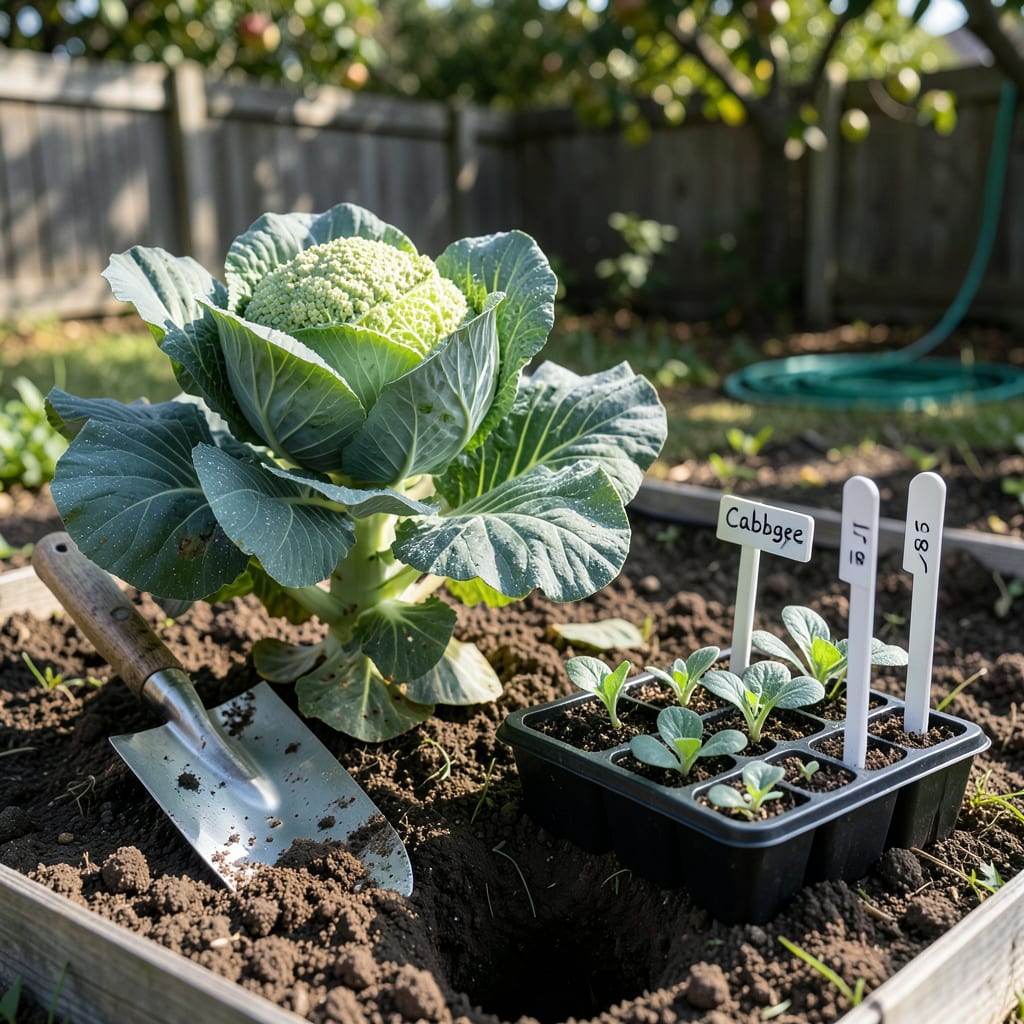
Timing can make or break your cabbage harvest in South Carolina. Plant too early, and late frosts might stunt your seedlings. Wait too long, and the summer heat will turn those crisp heads bitter before they fully form.
I’ve tested planting windows across SC’s zones, and the sweet spot isn’t just about the calendar—it’s about soil temps and frost dates. Whether you’re in the Upstate or Coastal Plain, I’ll show you exactly when to get those 🌱 cabbage seeds in the ground for a bountiful harvest.
If you’re growing cabbage in South Carolina, your planting timeline hinges on understanding the state’s diverse USDA hardiness zones (7a through 9a). The Upstate region (Zone 7a) has cooler springs and earlier frosts, while the Coastal Plain (Zone 9a) enjoys milder winters and longer growing seasons. I’ll break down the exact windows for both spring and fall crops.
Cabbage thrives when soil temperatures hit 60–65°F, but timing varies by region. In the Piedmont (Zone 8a), you’ll plant earlier than in the Lowcountry (Zone 9a), where heat arrives sooner. Let’s dive into the specifics for each zone, including frost date correlations and microclimate tips.
| Zone | Spring Planting | Fall Planting | Last Frost | First Frost |
|---|---|---|---|---|
| 7a (Upstate) | Mid-March to early April | Late July to early August | April 10 | October 15 |
| 8a (Piedmont) | Late February to mid-March | Early August to late August | March 25 | November 1 |
| 8b (Midlands) | Early February to early March | Mid-August to early September | March 15 | November 10 |
| 9a (Coastal Plain) | Late January to early February | Late August to mid-September | February 20 | November 20 |
*Start seeds 4-6 weeks indoors before transplanting. Direct sow 2-3 weeks before last frost in spring.
For spring cabbage, aim to transplant seedlings 4-6 weeks before your last frost date. In Zone 7a, that means starting seeds indoors by early February. Coastal growers in Zone 9a can direct-sow as early as late January, but watch for unexpected cold snaps.
Fall cabbage requires careful timing to avoid bolting (premature flowering). In the Upstate, plant by early August so heads mature before October frosts. Coastal gardeners have more flexibility, but late September plantings risk pest pressure from cabbage loopers.
Soil temperature is your best guide. Use a soil thermometer to confirm 60°F+ at 4-inch depth before planting. In humid regions, like the Lowcountry, ensure well-draining soil to prevent rot. I recommend mixing in compost or aged manure to improve structure.
Microclimates matter! Urban areas (like Columbia or Charleston) retain heat, allowing earlier planting. Rural or elevated sites (e.g., near the Blue Ridge) may need row covers for frost protection. Always check your local frost dates—they can vary by 2+ weeks even within the same zone.
For spring success, choose fast-maturing varieties like ‘Golden Acre’ (65 days) to beat the heat. In fall, opt for heat-tolerant types such as ‘Savoy King’ (85 days). Pair cabbage with companion plants like onions or celery to deter pests naturally.
Avoid the mistake of planting too late in spring—temperatures above 80°F trigger bolting. Conversely, fall cabbage planted too early may struggle with summer heat stress. Use shade cloth if temps exceed 85°F during germination.
Remember, consistent moisture is key. Cabbage needs 1–1.5 inches of water weekly, especially during heading. Mulch with straw or pine needles to retain soil moisture and regulate temperature. With the right timing and care, you’ll harvest crisp, sweet heads in 60–90 days!
Even with perfect timing, small errors can derail your South Carolina cabbage crop. I’ve seen gardeners lose entire plantings to preventable mistakes—like ignoring soil temperature thresholds or misjudging daylight sensitivity. Let’s tackle the top pitfalls so your cabbage thrives, not just survives.
One of the biggest blunders? Planting spring cabbage too late. When temps climb above 80°F, cabbage bolts (flows prematurely), leaving you with bitter, inedible leaves instead of tight heads. Coastal growers, this means you’ve got a narrower window than Upstate gardeners—don’t push it!
Mistake: Planting spring cabbage after March 15 in Zones 8a-9a.
Why it fails: 85°F+ temps trigger bolting, ruining head formation.
Fix: Use shade cloth (30-50%) if unexpected heat waves hit. Opt for ‘Early Jersey Wakefield’ (63 days) to beat the heat.
Pro tip: Mulch with straw to keep soil temps 10°F cooler.
Another common issue is skipping soil prep. Cabbage demands well-draining, nutrient-rich soil with a pH of 6.0–6.8. I’ve seen gardeners plant in compacted clay (common in the Piedmont) without amending it—resulting in stunted roots and loose heads. Test your soil and mix in 2–3 inches of compost before planting.
Overcrowding is a silent yield-killer. Cabbage needs 18–24 inches of space per plant for proper head development. Plant too close, and you’ll get small, weak heads prone to disease. In raised beds, space plants 12–15 inches apart in a staggered grid to maximize room. Thin seedlings early—don’t wait until they’re competing for nutrients!
Don’t overlook pest timing either. Cabbage loopers and aphids peak in early spring and late fall in SC. I lost a entire fall crop once by planting in late September—right when loopers were most active. Time plantings to avoid pest surges, or use floating row covers at seeding. Neem oil sprays (applied weekly) work wonders for organic control.
Finally, inconsistent watering leads to split heads or poor texture. Cabbage needs 1–1.5 inches of water weekly, especially during heading. In SC’s sandy Coastal soils, you may need to water every 2–3 days. Use a drip irrigation system to keep moisture even—avoid overhead watering, which spreads fungal diseases like black rot.
Remember: fall cabbage has its own risks. Planting too early means seedlings face summer heat; too late, and frosts stunt growth. In Zone 7a, aim for late July transplanting. In Zone 9a, you can push to mid-August, but use lightweight row covers if nights dip below 50°F to protect young plants.
By dodging these mistakes, you’ll grow crisp, sweet cabbage that’s perfect for fresh eating or storing. Next up, let’s explore the best heat-tolerant varieties that thrive in SC’s humidity—because not all cabbages are created equal in our climate! 🌱
Not all cabbage thrives in South Carolina’s heat and humidity. After testing dozens of varieties, I’ve found the top performers that resist bolting, tolerate humidity, and fend off common SC pests like cabbage loopers and aphids. Let’s dive into the best options for your region.
For spring planting, focus on early-maturing varieties that beat the heat. ‘Golden Acre’ (65 days) is my go-to—it forms tight heads quickly and handles temperature swings well. Another winner is ‘Early Jersey Wakefield’ (63 days), a heirloom that’s bolt-resistant and thrives in SC’s Piedmont.
Pros: Fast growth, handles temp swings
Pros: Thrive in cooling temps, pest-resistant
Tip: For Coastal SC (Zone 9a), try ‘Gonzales’—it’s bred for high humidity and resists black rot.
For fall planting, ‘Savoy King’ (85 days) is unbeatable. Its crinkled leaves hold up in cooling temps, and it’s less prone to splitting. ‘Cheers’ (70 days) is another standout—it’s disease-resistant and holds well in the field, giving you a longer harvest window.
If you’re in the Coastal Plain (Zone 9a), consider ‘Gonzales’, a hybrid bred for high humidity and black rot resistance. It’s a game-changer for areas like Charleston, where fungal diseases thrive. For organic growers, ‘Red Express’ (65 days) offers stunning color and natural pest resistance.
Don’t overlook space-saving varieties like ‘Caraflex’ (60 days), perfect for container gardening or small raised beds. Its compact heads (1–2 lbs) are ideal for SC’s urban gardeners. Pair it with bush beans or lettuce to maximize space and deter pests.
Remember, seed quality matters. I always source from Southern Exposure Seed Exchange or Territorial Seed Co., as their varieties are tested in humid climates. Store seeds in a cool, dry place to maintain viability—SC’s humidity can reduce germination rates if not stored properly.
For disease prevention, rotate cabbage with non-brassicas like tomatoes or peppers. This breaks pest cycles and reduces soil-borne diseases. In high-rainfall areas, use raised beds to improve drainage and prevent root rot. With the right variety and care, you’ll harvest crisp, sweet cabbage all season! 🌿
Use floating row covers or cloches to shield young plants if temps dip below 32°F. In Zone 7a, keep covers handy until mid-April—late frosts can surprise even seasoned gardeners. Remove covers during the day to prevent overheating.
Choose compact varieties like ‘Caraflex’ and use 5-gallon containers with drainage holes. Place in full sun (6+ hours) and water daily—coastal winds dry soil quickly. Feed every 2 weeks with a balanced fertilizer for best results.
Splitting usually happens from uneven watering or rapid growth after heavy rain. Maintain consistent moisture (1–1.5 inches weekly) and mulch with straw to regulate soil temps. In humid areas, avoid overhead watering to reduce fungal risks.
Heads are ready when they feel firm and reach their variety’s mature size (check seed packets). For ‘Savoy King’, this is typically 85 days after transplanting. Harvest before hard freezes—cut at the base with a sharp knife, leaving outer leaves intact.
