
Beautiful Plants For Your Interior
Beautiful Plants For Your Interior
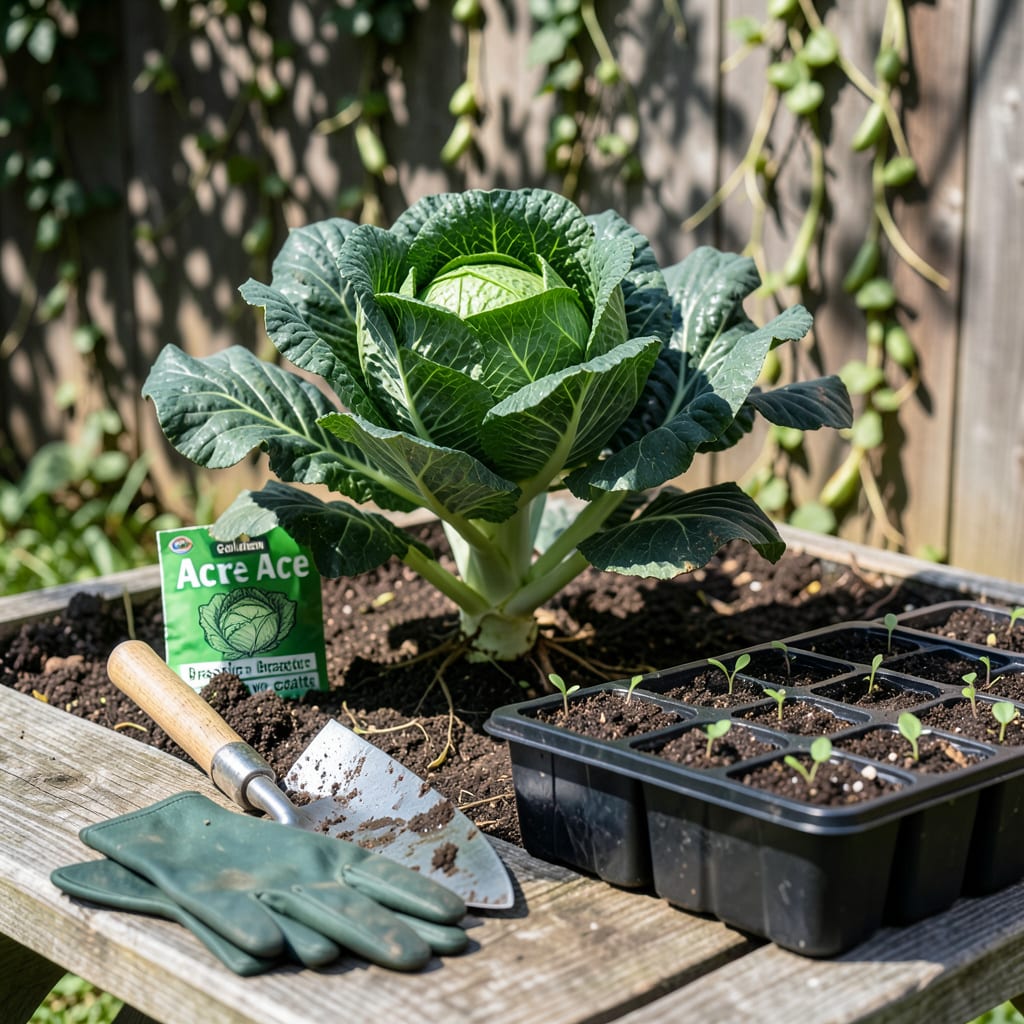
Timing your cabbage planting in Ohio can mean the difference between sweet, crisp heads and bitter disappointments. Our state’s unpredictable springs and early falls make nailing that planting window the key to success.
I’ve tested different approaches across Ohio’s Zone 6, and what I’ve learned will save you from common mistakes. Whether you’re in Cleveland or Cincinnati, we’ll break down exactly when to get those 🌱 cabbage seedlings in the ground for your best harvest yet.
If you’re growing cabbage in Ohio, nailing the planting timing is your ticket to sweet, crisp heads—not bitter, bolted disappointments. Our Zone 6 climate gives us two prime windows: early spring for summer harvests and late summer for fall crops. The secret? Working around our last frost date (April 15) and first frost (October 15).
I’ve found that soil temperature trumps calendar dates—cabbage seeds germinate best when soil hits 40°F+, but transplants thrive at 50°F+. In Cleveland, that might mean waiting until late April, while Columbus gardeners can often start a week earlier. Let’s break down the exact timing for your city.
For spring cabbage, I start seeds indoors 6–8 weeks before transplanting—around late February in Columbus. Use a heat mat to maintain 70°F soil temp for faster germination. Transplant hardened-off seedlings 2–3 weeks before last frost, but protect them with row covers if nights dip below 25°F.
Fall cabbage is my favorite—cooler temps sweeten the leaves! Count backward from your first frost date (October 15 for most of Ohio) and add 80–100 days (depending on variety). For example, ‘January King’ needs 90 days, so I plant by July 20 in central Ohio. Mulch heavily to retain moisture during summer’s heat.
Soil prep matters too! Cabbage craves well-draining, fertile soil with a pH of 6.0–6.8. I mix in 2–3 inches of compost and a balanced fertilizer (10-10-10) before planting. Space plants 12–18 inches apart in rows 24–36 inches apart for airflow. Crowding leads to disease!
Watch for cabbage worms and aphids—they love Ohio summers as much as we do. I use floating row covers at planting and spray neem oil weekly if pests appear. Companion planting with thyme or onions can deter pests naturally. And don’t forget to water consistently—1–1.5 inches per week keeps heads from splitting.
For the sweetest flavor, harvest when heads feel firm and solid—like a basketball! Use a sharp knife to cut at the base, leaving outer leaves intact for a potential second harvest of smaller heads. In fall, light frosts (28–32°F) actually improve flavor, so don’t rush to pick!
If you’re new to Ohio cabbage, start with ‘Golden Acre’ (early, 60 days) or ‘Stonehead’ (mid-season, 75 days). Both handle our humid summers and cool falls beautifully. For storage, try ‘Danish Ballhead’—it keeps for months in a root cellar!
Still unsure? Check your local frost dates using the Ohio State Extension tool, or grab a soil thermometer to monitor temps. Remember: cabbage is cool-season crop, so if your plants bolt (send up flower stalks), they’re telling you it’s too hot—next year, adjust your timing!
With the right schedule, you’ll be enjoying homegrown coleslaw and stir-fries from June through November. Happy planting—your crispest, sweetest cabbage yet is just a calendar away! 🌱
Even experienced Ohio gardeners can sabotage their cabbage crop with simple timing errors. I’ve seen it happen too often: bitter heads, bolted plants, or stunted growth—all because of avoidable mistakes. Let’s tackle the top three pitfalls so you can grow perfect cabbage every season.
The first blunder? Ignoring microclimates. Your neighbor’s planting date might not work for your yard. A south-facing slope in Columbus warms up faster than a low-lying Cleveland garden. Always check your specific soil temps—not just the calendar. 🌡️
Planting too early in spring without protection can kill seedlings if temps drop below 25°F. Use row covers or cloches for early starts—don’t trust Ohio’s April weather!
Second, many gardeners misjudge fall planting. Cabbage needs 80–100 days to mature, so counting backward from October 15 (first frost) is crucial. I’ve lost crops by planting ‘Late Flat Dutch’ too late—it needs 90 days, so July 20 is my cutoff in Columbus.
Another common error? Skipping soil prep. Cabbage thrives in pH 6.0–6.8 soil. Test yours with a $10 kit from any garden center. If it’s too acidic, add lime; too alkaline, mix in sulfur. Without this step, you’ll struggle with nutrient deficiencies or clubroot disease.
Don’t overlook spacing either. Crowded cabbage invites pests and disease. I plant mine 12–18 inches apart in rows 24 inches wide. This ensures airflow and room for those big, beautiful heads. Use a measuring stick—eyeballing it rarely works!
Finally, watering inconsistently leads to split heads. Cabbage needs 1–1.5 inches weekly, especially as heads form. I use a drip irrigation system on a timer to keep moisture even. Mulch with straw to retain water and block weeds. 💧
Fix these mistakes, and you’ll harvest crisp, sweet cabbage from June through November. For extra insurance, try succession planting: sow a few seeds every 2 weeks in spring for a continuous supply. Your coleslaw will thank you!
Not all cabbage thrives equally in Ohio’s humid summers and cool falls. After testing dozens of varieties across our Zone 6 climate, I’ve narrowed it down to the top performers. The right choice depends on your planting window and whether you want fresh eating or storage.
For early spring planting, you can’t beat ‘Golden Acre’. This compact variety matures in just 60 days, perfect for avoiding summer heat. It’s my go-to for Columbus gardens—reliable even with late frosts. If you’re planting in fall, ‘January King’ handles cold beautifully and stores for months.
If you love red cabbage, ‘Red Express’ is your best bet. It matures in 65 days and holds its color even in Ohio’s summer humidity. For savoy types, ‘Savoy Queen’ handles our climate better than most, with crinkled leaves that resist pests.
For container gardening, try ‘Gonzo’—a dwarf variety that thrives in 5-gallon pots. It’s perfect for urban gardeners in Cleveland or Cincinnati. Just ensure your containers get 6+ hours of sun daily and use a well-draining potting mix with compost.
Remember, variety matters for pest resistance too. ‘Stonehead’ resists cabbage loopers, while ‘Blue Dynasty’ (a savoy) fends off aphids better than most. Pair these with companion plants like thyme or marigolds for extra protection. 🌱
Still unsure? Start with ‘Golden Acre’ for spring and ‘January King’ for fall—these two cover most Ohio gardeners’ needs. For seed sources, I recommend Johnny’s Selected Seeds or Burpee, both of which offer varieties tested in our climate.
Summer planting isn’t ideal for most cabbage varieties in Ohio. Our Zone 6 summers often get too hot, causing cabbage to bolt (flower prematurely) and turn bitter. Stick to early spring or late summer plantings for best results.
For fall harvests, plant by early August in most Ohio regions. Count backward from your first frost date (October 15) and add 80-100 days (depending on variety). Later plantings may not mature before cold weather arrives.
Use row covers or cloches to shield young plants when nighttime temps drop below 25°F. You can also plant in raised beds, which warm up faster. Always harden off seedlings before transplanting to reduce shock.
Cleveland gardeners should plant 1-2 weeks later than Cincinnati due to lake-effect cooling. Columbus falls in between. Always adjust based on your local microclimate and soil temperature.
Yes! Choose dwarf varieties like ‘Gonzo’ and use 5-gallon containers with drainage. Place in full sun (6+ hours) and water consistently. Container cabbage needs more frequent feeding—use a balanced liquid fertilizer every 2 weeks.
