
Beautiful Plants For Your Interior
Beautiful Plants For Your Interior
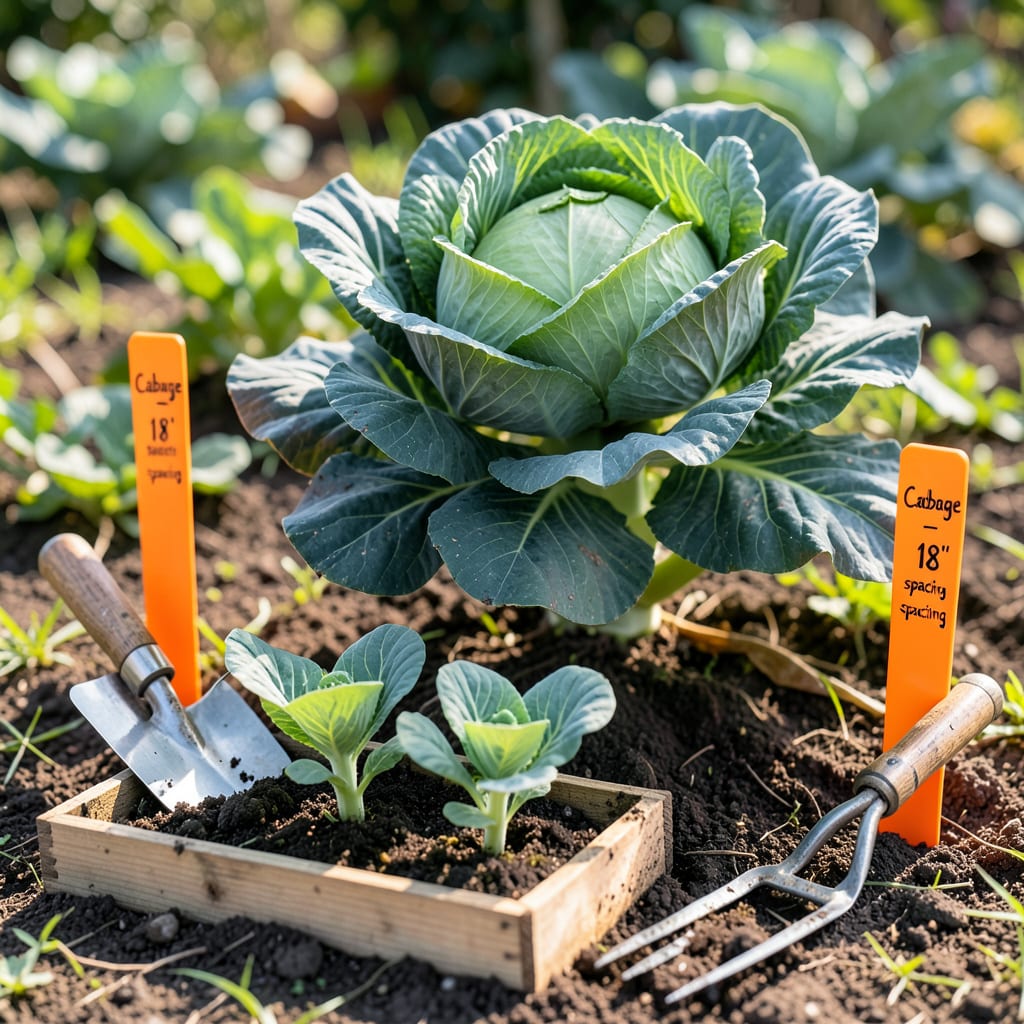
Timing your cabbage planting in North Carolina can mean the difference between a thriving harvest and a disappointing flop. Plant too early, and late frosts might sabotage your efforts. Wait too long, and summer heat can turn your 🥬 into a bitter, stunted mess.
After years of testing and tweaking, I’ve nailed down the perfect windows for both spring and fall plantings—tailored to NC’s unique climate zones. Whether you’re in the mountains or along the coast, I’ll show you exactly when to get those seeds in the ground for crisp, flavorful heads.
North Carolina’s diverse climate means cabbage planting isn’t one-size-fits-all. The Mountains, Piedmont, and Coastal Plain each have unique frost dates and temperature swings that can make or break your crop. I’ve spent seasons testing these windows, and the differences are striking.
In the Mountains (Zone 6-7), you’ll need to adjust for cooler springs and earlier frosts, while the Coastal Plain (Zone 8) enjoys a longer growing season. The Piedmont (Zone 7) sits in the middle—perfect for succession planting if you time it right.
| Region | Spring Planting | Fall Planting | Last Frost | First Frost |
|---|---|---|---|---|
| Mountains | March 15–April 15 | July 15–August 1 | May 10 | October 1 |
| Piedmont | February 15–March 30 | August 1–August 15 | April 15 | October 15 |
| Coastal Plain | February 1–March 15 | August 15–September 1 | March 20 | November 1 |
🌱 Pro Tip: For fall plantings, count backward from your first frost date—cabbage needs 80–90 days to mature.
For spring cabbage, aim to transplant seedlings 2–3 weeks before your last frost. In the Piedmont, that’s around late March, while Coastal gardeners can start as early as February. Soil temps should hit 45–50°F for best germination.
Fall cabbage thrives when started in late summer, but timing is tricky. Plant too early, and heat stress causes bolting; too late, and frosts stunt growth. I’ve found August 1–15 works for most of NC, but Coastal gardeners can push to early September.
Don’t forget soil prep! Cabbage craves well-draining, nitrogen-rich soil. Work in 2–3 inches of compost and a balanced fertilizer (10-10-10) before planting. pH should be 6.0–6.8—test and amend if needed.
Spacing matters too. Give plants 12–18 inches apart in rows 24–36 inches wide. This airflow reduces disease risk, especially in NC’s humid summers. I like pairing cabbage with dill or thyme to deter pests naturally.
Watch for cabbage worms and aphids, which peak in NC’s warm months. Row covers work wonders, or spray with neem oil every 7–10 days if pests appear. Fall plantings often face fewer bugs but need consistent watering.
Succession planting extends your harvest. Sow a new batch every 2–3 weeks until mid-spring for spring cabbage, or every 3 weeks in August for fall. This staggers maturity, so you’re not overwhelmed with heads all at once.
Remember, microclimates matter. Urban areas, south-facing slopes, or low-lying spots can shift your planting dates by 1–2 weeks. Keep a garden journal to track what works best in your exact location—it’s a game-changer! 🌿
Even with perfect timing, small mistakes can sabotage your cabbage crop. After helping dozens of NC gardeners troubleshoot their stunted heads and pest-ridden plants, I’ve pinpointed the five most common blunders—and how to fix them before they wreck your harvest.
First up: ignoring soil temperature. Cabbage seeds won’t germinate in cold soil, and transplants sulk if the ground’s too chilly. I’ve seen gardeners lose weeks by planting when soil temps were below 45°F. Always use a soil thermometer—it’s a $10 investment that saves months of frustration.
🌱 Quick Fix: For mistake #3, try ‘Early Jersey Wakefield’ (63 days) or ‘Golden Acre’ (65 days) for faster fall harvests.
Another big issue? Overlooking succession planting. Many gardeners plant all their cabbage at once, then end up with a glut of heads or a mid-season gap. Instead, sow seeds every 2–3 weeks until mid-spring for spring crops, or every 3 weeks in August for fall.
Pest problems often start with poor companion planting. Cabbage loves dill, thyme, or mint, which repel pests naturally. Avoid planting near strawberries or tomatoes—they compete for nutrients and attract shared pests like slugs and cutworms.
Fertilizer mismanagement is another silent killer. Cabbage is a heavy feeder—it needs high nitrogen early on, then balanced nutrients as heads form. I use a 10-10-10 fertilizer at planting, followed by a side dressing of compost every 3–4 weeks.
Finally, don’t forget hardening off transplants. NC’s spring winds and temperature swings can shock tender seedlings. Acclimate them outdoors for 7–10 days before transplanting, starting with 2–3 hours of shade and gradually increasing exposure.
By dodging these pitfalls, you’ll grow firm, sweet cabbage heads that make store-bought options look sad. Keep a garden journal to track what works in your microclimate—NC’s weather varies wildly even within the same region! ✂️
Not all cabbage thrives in North Carolina’s humid summers and unpredictable springs. After testing dozens of varieties in my own Piedmont garden, I’ve found the top performers that handle NC’s heat, resist pests, and deliver sweet, crisp heads season after season.
For spring plantings, you’ll want fast-maturing varieties that beat the summer heat. ‘Early Jersey Wakefield’ (63 days) and ‘Golden Acre’ (65 days) are my go-tos—they form tight heads before temperatures soar. Both tolerate NC’s spring temperature swings beautifully.
| Variety | Days to Maturity | Best Season | Heat Tolerance | Pest Resistance |
|---|---|---|---|---|
| Early Jersey Wakefield | 63 days | Spring | Moderate | High (cabbage worms) |
| Golden Acre | 65 days | Spring/Fall | Moderate | Medium |
| Premium Late Flat Dutch | 95 days | Fall | High | High (disease-resistant) |
| Red Express | 60 days | Spring | Low | Medium |
| Savoy King | 88 days | Fall | High | High (slug-resistant) |
🌱 Pro Tip: For fall plantings, choose ‘Premium Late Flat Dutch’—its 95-day maturity aligns perfectly with NC’s cooling autumn temps.
Fall cabbage needs varieties that mature in cooler weather. ‘Premium Late Flat Dutch’ (95 days) is my favorite—it forms massive, sweet heads just as frosts arrive. ‘Savoy King’ (88 days) is another winner, with crinkled leaves that hold up to NC’s fall rains and resist slugs.
If you love colorful cabbage, try ‘Red Express’ (60 days) for spring or ‘Ruby Perfection’ (85 days) for fall. Both add vibrant purple hues to your garden and plate. Just note: red varieties often need extra pest protection—their sweet flavor attracts cabbage worms.
For small-space gardens, ‘Gonzales’ (60 days) is a compact powerhouse. Its mini heads (3–4 lbs) fit perfectly in containers or tight rows. I’ve grown it successfully on my apartment balcony in 5-gallon buckets—just ensure daily watering in summer.
No matter which variety you choose, rotation is key. Never plant cabbage in the same spot two years in a row—it invites disease and pests. I follow a 3-year rotation with tomatoes or beans to keep my soil healthy and my cabbage thriving. 🌿
Spring cabbage needs to go in 2–3 weeks before last frost (February–April), while fall plantings start in late summer (July–August). Fall crops often taste sweeter because cooler temps reduce bitterness.
Choose compact varieties like ‘Gonzales’ and use 5-gallon containers with drainage. Keep soil moist and provide 6+ hours of sun daily. Balcony gardeners report great success with this method.
Use frost blankets or cloches to cover plants when temps drop below 32°F. Mountain gardeners should also plant near south-facing walls for extra warmth. Remove covers during the day to prevent overheating.
Plant dill or thyme nearby as companion plants—they repel pests. For existing infestations, spray neem oil every 7–10 days. Yellow sticky traps also work well in NC’s humid climate.
During peak summer, water every 2–3 days with 1–1.5 gallons per plant. Use drip irrigation in early morning to prevent fungal diseases. Mulch helps retain moisture in sandy Coastal Plain soils.
