
Beautiful Plants For Your Interior
Beautiful Plants For Your Interior
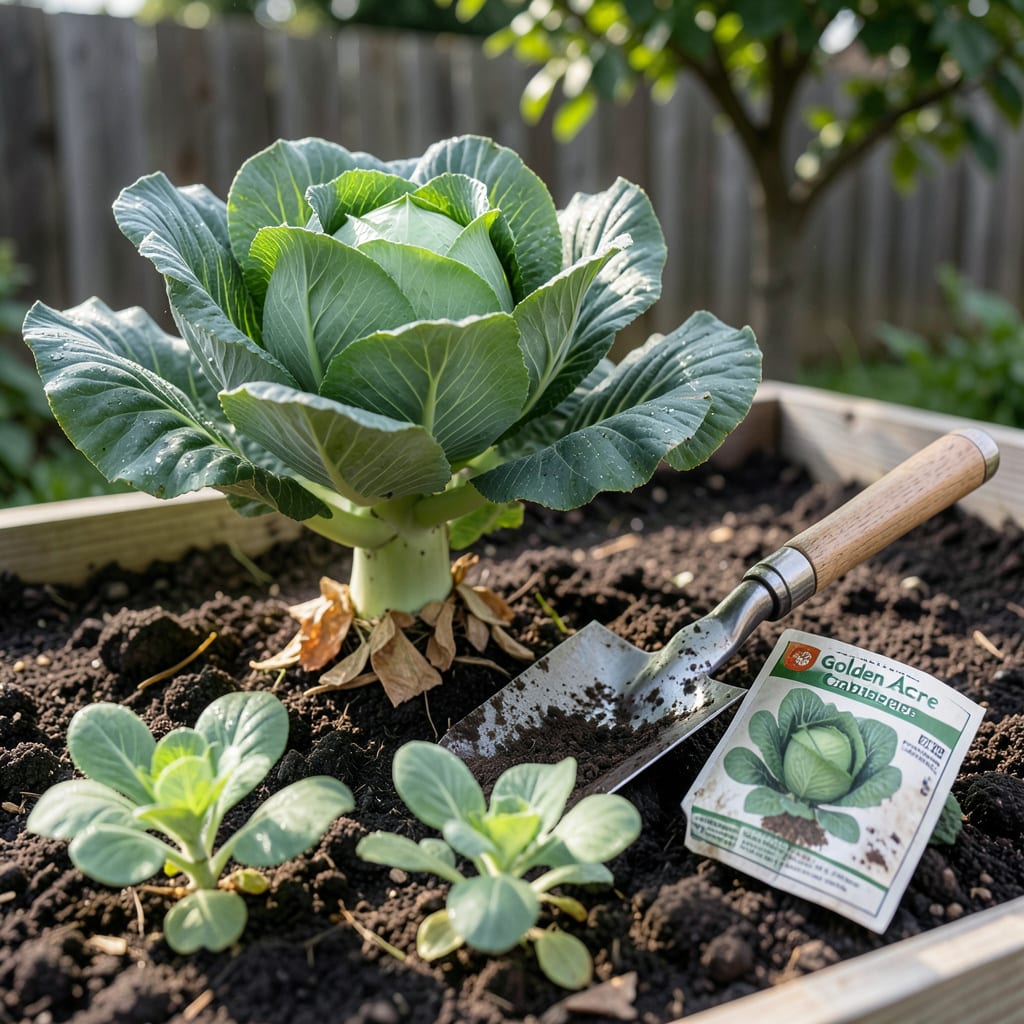
Louisiana’s heat and humidity make cabbage planting a delicate dance—get the timing wrong, and you’ll end up with bitter, bolted heads instead of crisp, sweet harvests. I’ve seen gardeners struggle with this firsthand, but the good news? There’s a perfect window for both spring and fall plantings that nearly guarantees success.
Whether you’re in Shreveport’s cooler north or New Orleans’ steamy south, I’ll break down the exact dates to start seeds or transplants for your zone. You’ll also learn which heat-tolerant varieties like ‘Gonzo’ thrive here—and how to sidestep the #1 mistake that ruins cabbage in Louisiana every year.
Louisiana’s humid subtropical climate makes cabbage planting a game of timing. The key is avoiding summer heatwaves that cause bolting while dodging unexpected frosts that damage tender leaves. I’ve found that fall plantings often outperform spring ones here, thanks to milder temperatures.
Your USDA zone (8a–9b) dictates exact dates. North Louisiana (Zone 8a) has earlier frosts, while South Louisiana (Zone 9b) enjoys longer growing seasons. Let’s break down the optimal windows for seeding and transplanting, so you can plan with confidence.
| Region | Zone | Fall Planting | Spring Planting | Notes |
|---|---|---|---|---|
| North LA (Shreveport) | 8a | Aug 15–Sep 1 | Feb 15–Mar 1 | Last frost: Mar 15 |
| Central LA (Baton Rouge) | 8b | Aug 25–Sep 10 | Feb 20–Mar 10 | First frost: Nov 15 |
| South LA (New Orleans) | 9a–9b | Sep 1–Sep 20 | Feb 25–Mar 15 | Frost-free until Dec 1 |
Pro Tip: Start seeds 6–8 weeks before transplant dates for sturdy seedlings. Use shade cloth if late summer heat lingers.
For spring plantings, aim to harvest before temperatures exceed 80°F—cabbage thrives in 60–70°F ranges. I recommend using a soil thermometer to confirm 50°F+ soil temps before direct sowing. Transplants handle temperature swings better than seeds.
Fall plantings are my top choice for Louisiana. The cooler nights sweeten cabbage flavors, and fewer pests (like cabbage loopers) reduce stress. Just ensure plants mature before hard freezes—most varieties need 70–90 days from transplant to harvest.
Watch your local frost dates closely. In Baton Rouge, the average first frost hits around November 15, while New Orleans often stays frost-free until early December. Use row covers to extend the season by 2–3 weeks if needed.
Soil prep matters too! Cabbage craves well-draining, fertile soil with a pH of 6.0–6.8. I mix in composted manure and balanced fertilizer (10-10-10) before planting. Raised beds help in low-lying areas prone to waterlogging after Louisiana’s heavy rains.
If you’re succession planting, space fall plantings 2 weeks apart to stagger harvests. For spring, avoid planting after March 15 in Zone 8a—the heat will bolt your cabbage before heads form. Trust me, I’ve lost entire crops to premature bolting!
For heat-tolerant varieties, try ‘Gonzo’ or ‘Blue Dynasty’—they handle Louisiana’s humidity and temperature swings better than standard types. Pair them with drip irrigation to keep foliage dry and reduce fungal diseases like black rot.
Remember, morning sun and afternoon shade work best in late summer. Use 30% shade cloth if temps climb above 85°F—it’s a game-changer for fall-started cabbage. And always mulch heavily to retain moisture and regulate soil temps.
By following these zone-specific windows, you’ll avoid the two biggest cabbage killers in Louisiana: bolting from heat and frost damage. Happy planting—your crisp, sweet heads are just a calendar away! 🌱
Louisiana’s unique climate can turn cabbage dreams into disasters if you’re not careful. I’ve seen gardeners lose entire crops to preventable mistakes—like planting at the wrong time or ignoring soil prep. The good news? These pitfalls are easy to avoid once you know what to watch for.
First up: timing errors. Plant too late in spring, and 80°F+ temperatures will bolt your cabbage before heads form. Plant too early in fall, and lingering summer heat stresses seedlings. Let’s dive into the top 3 mistakes and how to sidestep them for a flawless harvest.
Fix It: Use shade cloth in late summer, test soil annually, and apply Bt spray for loopers.
The #1 mistake I see? Planting cabbage during Louisiana’s summer. Even heat-tolerant varieties like ‘Gonzo’ struggle when temps exceed 85°F. If you must plant in late summer, use 30% shade cloth and drip irrigation to cool roots.
Another silent killer: poor soil prep. Cabbage needs fertile, well-draining soil rich in organic matter. I always mix in 2–3 inches of compost and a balanced fertilizer (10-10-10) before planting. Raised beds help in low-lying areas where water pools after Louisiana’s heavy rains.
Don’t overlook pest pressure either. Cabbage loopers (green caterpillars) and aphids thrive in our humidity. I spray Bacillus thuringiensis (Bt) every 7–10 days and handpick pests early. Row covers work too, but remove them during flowering for pollinators.
Finally, watch for fungal diseases like black rot and downy mildew. These spread fast in humid conditions. Space plants 18–24 inches apart for airflow, and water at the base (not leaves) to keep foliage dry. A copper fungicide spray can help if problems arise.
By avoiding these three critical mistakes, you’ll grow crisp, sweet cabbage instead of bitter, hole-ridden leaves. Trust me—your harvest will thank you! 🌱
Not all cabbage thrives in Louisiana’s steamy summers and mild winters. After years of testing, I’ve found that heat-tolerant varieties like ‘Gonzo’ and ‘Blue Dynasty’ outperform standard types by weeks in our climate. These cultivars resist premature bolting and handle humidity like champs.
For spring plantings, fast-maturing varieties like ‘Early Jersey Wakefield’ (63 days) let you harvest before heatwaves hit. In fall, I swear by ‘Cheers’—it’s disease-resistant and stays sweet even when temps dip. Let’s compare the top performers so you can pick the perfect match for your garden.
| Variety | Days to Harvest | Heat Tolerance | Best Season | Head Size |
|---|---|---|---|---|
| Gonzo | 75 days | ⭐⭐⭐⭐⭐ | Fall | 3–4 lbs |
| Blue Dynasty | 80 days | ⭐⭐⭐⭐ | Spring/Fall | 4–5 lbs |
| Early Jersey Wakefield | 63 days | ⭐⭐⭐ | Spring | 2–3 lbs |
| Cheers | 70 days | ⭐⭐⭐⭐ | Fall | 3–4 lbs |
Pro Tip: For spring crops, choose fast-maturing types. In fall, prioritize disease-resistant varieties to combat humidity.
If you’re battling cabbage worms, ‘Cheers’ has built-in resistance to common pests. Its tight heads also stay cleaner in Louisiana’s frequent rains. For container gardening, ‘Early Jersey Wakefield’ fits perfectly in 5-gallon pots—just ensure drainage holes to prevent root rot.
Want red cabbage? Try ‘Red Express’ (68 days)—it holds color well in heat and adds a vibrant pop to your garden. Pair it with ‘Gonzo’ for a staggered harvest, since their maturity dates differ by 2 weeks. This combo extends your fresh cabbage supply without overloading you at once.
For organic growers, ‘Blue Dynasty’ resists black rot naturally, reducing the need for copper sprays. Its blue-green leaves also signal when it’s ready to harvest—they deepen in color as heads mature. I’ve found it’s the most forgiving variety for new gardeners in Louisiana’s tricky climate.
Remember, seed quality matters. I buy from Southern Exposure Seed Exchange or LSU AgCenter-approved suppliers—they test varieties in our region’s conditions. Store seeds in a cool, dry place (like your fridge) to maintain 90%+ germination rates for next season. 🌱
No, cabbage struggles in Louisiana’s summer heat. Stick to fall (Aug–Sep) and spring (Feb–Mar) plantings when temps stay below 80°F. Summer heat causes bolting, making heads bitter and inedible.
Space plants 18–24 inches apart for airflow and water at the base to keep leaves dry. Use drip irrigation and mulch to reduce moisture on foliage. Copper fungicide helps prevent black rot in damp conditions.
‘Early Jersey Wakefield’ matures in just 63 days, perfect for spring plantings. For fall, ‘Cheers’ (70 days) resists pests and stays sweet. Both avoid heat stress when timed right.
Yes! Start seeds 6–8 weeks before transplant dates (e.g., late June for fall). Use grow lights and keep soil at 70°F. Harden off seedlings for 1 week before moving outdoors.
