
Beautiful Plants For Your Interior
Beautiful Plants For Your Interior
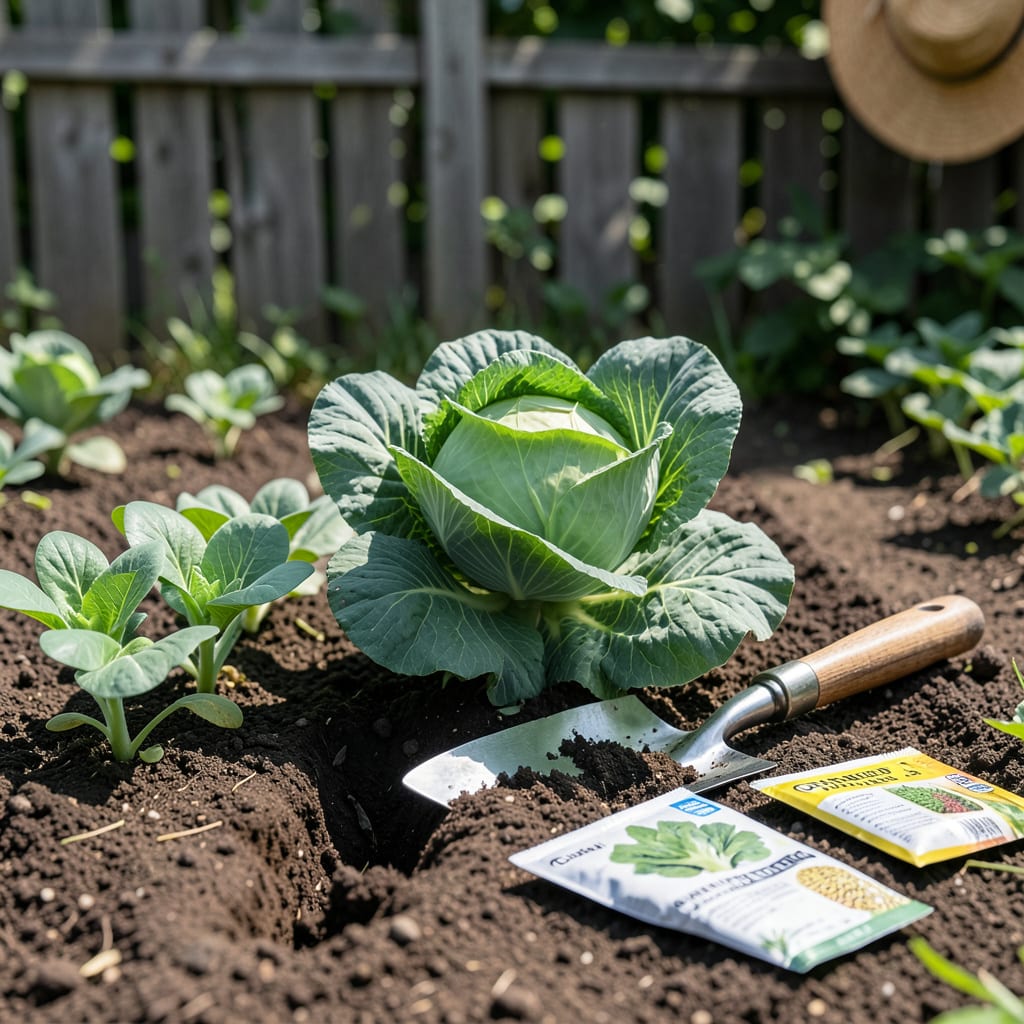
Timing your 🥬 cabbage planting in Georgia can mean the difference between a bountiful harvest and a disappointing flop. Our state’s unpredictable swings from late frosts to scorching summers make nailing that perfect window absolutely crucial.
I’ve tested the best planting strategies across Georgia’s zones, and what works in Savannah won’t always fly in the mountains. Whether you’re aiming for spring salads or fall fermenting, I’ll show you exactly when to get those seeds in the ground for crisp, sweet heads every time.
Georgia’s diverse climate zones (7a-9a) mean cabbage planting isn’t one-size-fits-all. In northern Georgia, you’ll battle later frosts, while southern regions face earlier heat waves. The key is working with your last frost date—April 10th for most areas—and avoiding summer’s peak.
I’ve found fall cabbage often outperforms spring plantings here. Cooler temps mean sweeter heads and fewer pests. But spring isn’t impossible—you just need precise timing and heat-tolerant varieties like ‘Golden Acre.’ Let’s break down both seasons.
| Season | Task | Northern GA | Southern GA |
|---|---|---|---|
| Spring | Start seeds indoors | Jan 15–Feb 1 | Jan 1–Jan 15 |
| Spring | Transplant outdoors | Feb 15–Mar 15 | Feb 1–Feb 28 |
| Fall | Start seeds indoors | Jul 15–Aug 1 | Aug 1–Aug 15 |
| Fall | Transplant outdoors | Aug 15–Sep 1 | Sep 1–Sep 15 |
*Adjust dates by 7–10 days for microclimates. Source: UGA Extension.
For spring cabbage, aim to transplant 4–6 weeks before your last frost. In Atlanta (Zone 7b), that’s early March. But here’s the catch: soil temps must hit 45°F minimum. Use a soil thermometer—don’t guess! Cold soil stalls growth.
Fall plantings are my secret weapon. Start seeds in late July for northern GA, early August for southern areas. Transplant when daytime temps dip below 80°F. This avoids bolting and lets heads mature in crisp autumn air. I’ve gotten sweeter, denser heads from fall crops every time.
Watch your USDA zone closely. In Zone 9a (Savannah area), you can push spring plantings 2 weeks earlier than Zone 7a (Blue Ridge). But don’t rush—late frosts (like March 2018’s surprise freeze) can wipe out young plants. Always have row covers ready!
Soil prep matters too. Cabbage craves well-draining, fertile soil with pH 6.0–6.8. Work in 2–3 inches of compost before planting. I add a balanced 10-10-10 fertilizer at transplanting, then side-dress with nitrogen when heads start forming.
Pro tip: Succession planting extends your harvest. For spring, sow seeds every 2 weeks until mid-March. For fall, make a final planting by September 1st in north GA or September 15th in south GA to beat first frost.
Remember, cabbage varieties vary in heat tolerance. ‘Early Jersey Wakefield’ handles spring’s warmth, while ‘January King’ thrives in fall’s cool. Check seed packets for “days to maturity”—shorter seasons (60–70 days) work best for Georgia’s finicky windows.
Finally, monitor pest pressure. Cabbage loopers and aphids peak in late spring. I use floating row covers until heads form, then switch to neem oil sprays if needed. Fall plantings often face fewer pests—another reason I prefer them! 🪴
Even experienced gardeners can sabotage their 🥬 cabbage crop by overlooking Georgia’s unique challenges. I’ve seen perfectly good seedlings wiped out overnight by late frosts or bolt into bitterness from unexpected heat waves. Let’s tackle the three most costly mistakes I’ve learned to avoid.
The biggest error? Ignoring soil temperature. Cabbage seeds need 45–85°F to germinate, but many Georgians plant by calendar dates alone. I use a soil thermometer—if it reads below 45°F, I wait. Cold soil causes slow, weak growth that never recovers.
Mistake #1: Planting too early in spring without row covers. Late frosts (like March 2020’s 24°F dip) can destroy seedlings overnight.
Mistake #2: Using long-season varieties (90+ days) in Georgia’s short windows. Stick to 60–75 day types like ‘Early Jersey Wakefield.’
Mistake #3: Skipping pH testing. Cabbage hates acidic soil—aim for 6.0–6.8 pH or risk stunted growth.
*Fix these, and you’ll double your success rate! 🌱
Another common blunder is misjudging frost dates. Georgia’s last frost varies wildly—April 10th in Atlanta, but March 15th in Savannah. I always check the Georgia Weather Network for hyperlocal data. Planting 2 weeks before last frost is ideal, but have frost blankets ready!
Variety selection trips up many gardeners. Not all cabbages handle Georgia’s humidity and heat. I avoid ‘Late Flat Dutch’—it bolts in our summers. Instead, I grow ‘Golden Acre’ (heat-tolerant) for spring and ‘January King’ (cold-hardy) for fall. Always check the “days to maturity” label.
Watering mistakes are silent killers. Cabbage needs consistent moisture—1–2 inches weekly—but soggy soil causes rot. I use drip irrigation on timers to maintain even moisture. Mulch with straw to retain water and cool roots during heat spikes. Yellowing lower leaves often signal overwatering, not drought.
Finally, don’t overlook pest prevention. Cabbage loopers and aphids thrive in Georgia’s warmth. I never plant without floating row covers for the first 4 weeks. For organic control, I spray neem oil every 10 days once covers come off. Fall plantings face fewer pests—another reason I prefer them! ✂️
Not all cabbages thrive in Georgia’s humid summers and mild winters. After testing dozens of varieties, I’ve narrowed it down to the top performers for our state’s unique conditions. The right choice can mean bolting resistance in spring or sweeter heads in fall.
For spring plantings, you need heat-tolerant varieties that won’t rush to flower when temps climb. My go-to is ‘Golden Acre’—it matures in just 62 days and handles Georgia’s spring warmth better than most. Another winner: ‘Early Jersey Wakefield’, perfect for early harvests.
*Days to maturity based on ideal conditions. Adjust for your zone!
Fall plantings shine with cold-hardy varieties like ‘January King’, which actually improves in flavor after light frosts. For something unique, try ‘Savoy King’—its crinkled leaves hold up better in Georgia’s fall humidity than smooth-leaf types.
If you’re in southern Georgia (Zone 9a), consider ‘Gonzo’—a hybrid bred for heat resistance. It’s my secret weapon for late spring plantings when other varieties would bolt. For northern Georgia, ‘Stonehead’ offers reliable performance in cooler fall conditions.
Disease resistance matters too. Georgia’s humidity invites black rot and downy mildew. I always choose varieties with ‘VR’ (Vanticide-resistant) or ‘F’ (Fusarium-resistant) labels. ‘Cheers’ is a great disease-resistant hybrid that’s performed well in my Atlanta garden for three seasons running.
Don’t forget about space constraints! Compact varieties like ‘Caraflex’ (a cone-shaped cabbage) fit perfectly in small gardens or containers. For market gardeners, ‘Blue Dynasty’ offers uniform heads and excellent storage life—critical for Georgia’s fluctuating fall weather. 🌱
No, cabbage thrives in cool weather, so Georgia’s summers are too hot. Stick to spring (Feb–Mar) and fall (Aug–Sep) plantings. Summer heat causes bolting, making heads bitter or preventing formation entirely.
Use row covers or frost blankets when temps dip below 32°F. For extra protection, add a layer of mulch around plants. Remove covers during the day to prevent overheating.
Begin 6–8 weeks before transplanting in seed trays with sterile potting mix. Keep soil moist and maintain temps around 70°F. Use grow lights for 12–14 hours daily to prevent leggy seedlings.
Splitting usually happens from uneven watering or rapid growth after heavy rain. Water consistently (1–2 inches weekly) and harvest heads promptly when firm. Some varieties like ‘Stonehead’ resist splitting better.
Choose containers at least 12 inches deep with drainage holes. Use a high-quality potting mix and place in full sun (6+ hours). Dwarf varieties like ‘Caraflex’ work best for small spaces.
