
Beautiful Plants For Your Interior
Beautiful Plants For Your Interior
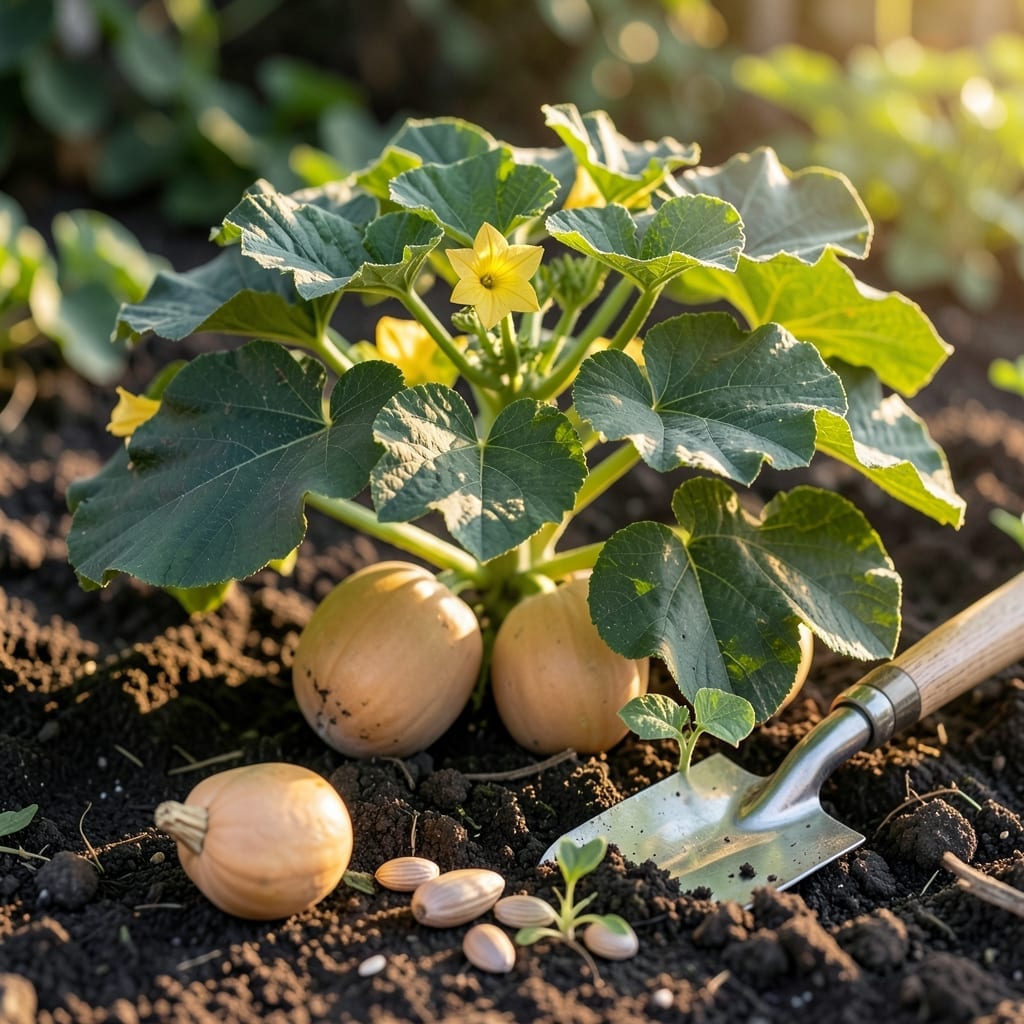
Timing is everything when it comes to growing Butternut Squash 🎃. Plant too early, and frost can wipe out your crop; plant too late, and you’ll miss the optimal growing window.
In 6a, the sweet spot is May to June, when soil warms up and frost risks fade. This timing ensures your vines have enough warm days to mature before harvest season.
I’ll walk you through the key factors to consider, from soil temperature to regional variations, so you can maximize your yield with confidence. Let’s get started.
Getting the timing right for butternut squash is crucial for a successful harvest. I’ve found that soil temperature is the most critical factor—it needs to be at least 60°F for seeds to germinate properly.
In cooler climates like USDA Zone 6a, the ideal window is May to June. This ensures your plants have enough warm days to mature before the first frost hits in fall.
| Climate Zone | Planting Window | Soil Temp Requirement |
|---|---|---|
| Zones 3-4 | Late May – Early June | 60-70°F |
| Zones 5-6 | Mid-May – Early June | 65-75°F |
| Zones 7-8 | April – May | 70-80°F |
| Zones 9-10 | March – April | 75-85°F |
For warm climates like Zones 9-10, you can start as early as March or April. The longer growing season allows for a second planting in late summer for a fall harvest.
In cooler regions, I recommend using black plastic mulch to warm the soil faster. This trick can give you a 2-3 week head start on the growing season.
Remember that frost dates are your guide. Always plant 2-3 weeks after the last spring frost to avoid cold damage. Check your local extension office for precise dates.
If you’re eager to get a jump on the season, you can start seeds indoors 3-4 weeks before transplanting. Just be sure to harden off the seedlings before moving them outside.
For container gardening, butternut squash needs at least a 5-gallon pot per plant. The timing remains the same, but containers may require more frequent watering and fertilizing.
In my experience, succession planting works well in areas with long growing seasons. Plant a new batch every 3-4 weeks for continuous harvests through fall.
Finally, always check the days to maturity on your seed packet. Most butternut varieties need 85-100 days, so count backward from your first frost date to plan accordingly.
With these climate-specific tips, you’ll be well on your way to a bumper crop of butternut squash 🌱
While climate zone is the main factor, I’ve learned that soil moisture and sunlight exposure can shift your planting schedule significantly. These variables often make the difference between a mediocre harvest and a bumper crop.
Butternut squash thrives in well-draining soil with consistent moisture. If your garden stays soggy after rain, consider raised beds or amend the soil with compost to improve drainage.
In my garden, I’ve noticed that microclimates can create pockets of warmth. South-facing slopes or areas near paved surfaces often warm up faster in spring, allowing for earlier planting.
If your area has cool springs, use row covers to protect young plants. These can add 5-10°F of warmth and shield plants from unexpected late frosts.
Wind exposure is another consideration. Strong winds can damage vines and stress plants. I recommend planting near a windbreak or using stakes for support if your garden is exposed.
For the best results, I always test soil temperature with a thermometer before planting. Even if the air is warm, cold soil can delay germination and stunt growth.
By paying attention to these key factors, you’ll create the ideal conditions for your butternut squash to thrive 🌱