
Beautiful Plants For Your Interior
Beautiful Plants For Your Interior
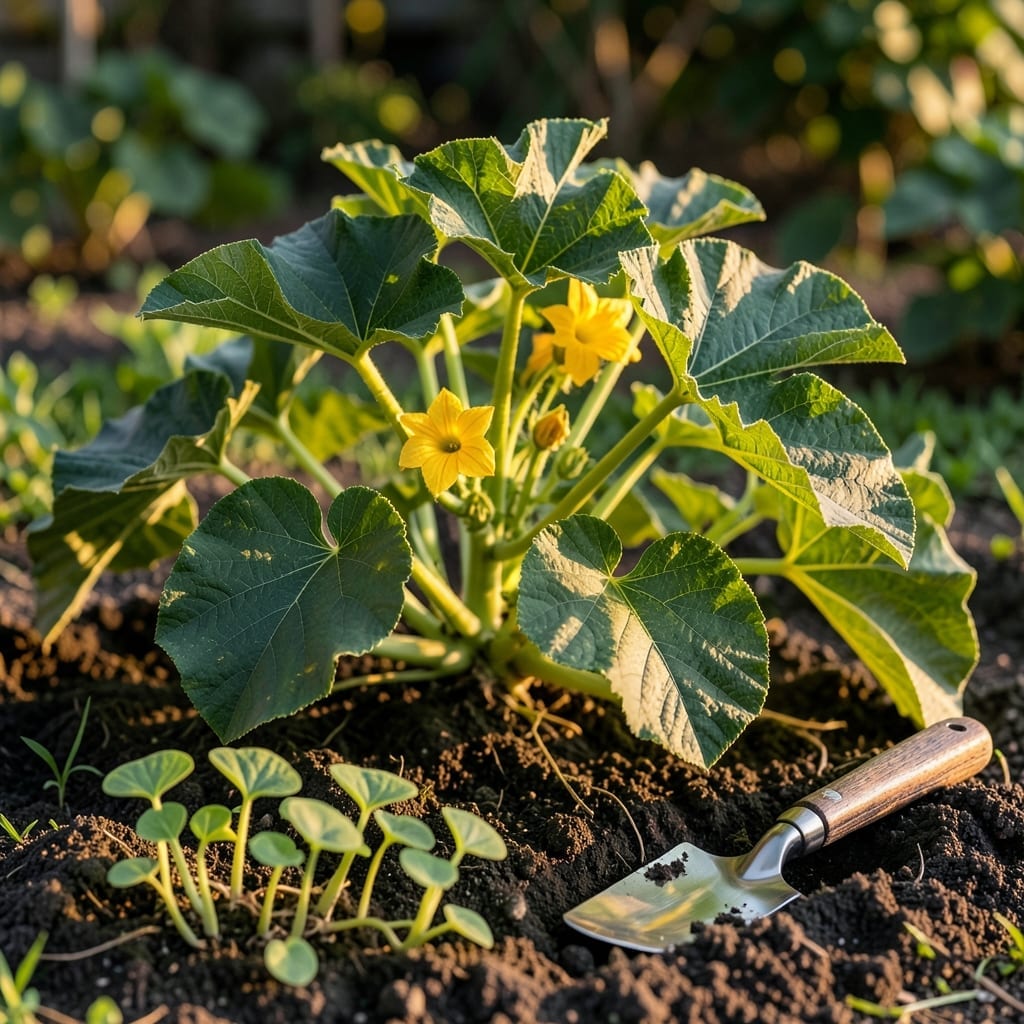
Timing is everything when growing 🎃 Butternut Squash—plant too early and frost will wipe out your crop, too late and you’ll miss the harvest window.
I’ve learned the hard way that one misstep can cost you an entire season. Whether you’re in zone 6 or adjusting for your local climate, nailing the timing is the key to success.
Let me show you how to hit that sweet spot for planting so you can enjoy a bountiful, sweet yield come fall.
Getting the timing right for butternut squash is all about knowing your climate zone and frost dates. This warm-season crop thrives when soil temps hit at least 60°F, so patience is key in cooler regions.
In USDA zones 3-4, wait until late May or early June to plant after the last frost. For zones 5-6, mid-to-late May works perfectly. Southern gardeners in zones 7-11 can start as early as March or April.
| USDA Zone | Planting Months | Soil Temp | Frost Consideration |
|---|---|---|---|
| 3-4 | Late May – Early June | 60°F+ | After last frost |
| 5-6 | Mid to Late May | 60°F+ | After last frost |
| 7-8 | April – Early May | 65°F+ | Frost-free |
| 9-11 | March – April | 70°F+ | Frost-free |
I always recommend using a soil thermometer to check temperatures at 4-inch depth before planting. If you’re in a short-season area, starting seeds indoors 3-4 weeks before transplanting can give you a head start.
For coastal areas with mild winters, you might get away with a second planting in late summer for a fall harvest. Just ensure you have 90-100 frost-free days for the squash to mature properly.
Black plastic mulch is a game-changer in cooler climates. It warms the soil 2-3 degrees faster than bare ground, allowing earlier planting. I’ve seen this trick add 2-3 weeks to the growing season in zone 5.
Remember that butternut squash needs full sun and well-draining soil. If your soil is heavy clay, amending with compost or aged manure before planting will improve both drainage and fertility.
In my experience, direct sowing works best for butternut squash as they don’t transplant well. Plant seeds 1 inch deep and 3-4 feet apart in hills or rows. Thin seedlings to the strongest plants when they’re 2-3 inches tall.
For those in hot climates, like zone 10-11, consider planting in partial shade during the hottest part of summer to prevent sunscald on developing fruits. A little afternoon shade can make a big difference in fruit quality.
No matter your zone, always keep an eye on the 10-day forecast before planting. A surprise late frost can set you back weeks, so it’s better to wait than risk losing your crop to cold weather.
I’ve found that planting in raised beds can help with both drainage and soil warming. The elevated soil tends to warm up faster in spring, giving you a slight edge in cooler climates 🌱
Before planting butternut squash, I always check for these key indicators that the soil is ready. The most critical factor is soil temperature—it must be at least 60°F at a 4-inch depth for seeds to germinate properly.
Another telltale sign is weed growth. When you see summer annual weeds like pigweed or lambsquarter sprouting, it’s a good sign your soil is warm enough. Also, the soil should crumble easily in your hand—if it’s too wet or compacts tightly, it’s not ready.
Planting in cold soil below 60°F can cause seeds to rot before they sprout. Also, avoid waterlogged soil—butternut squash roots need oxygen to thrive. If your soil stays soggy after rain, consider raised beds or improving drainage with compost.
I use a simple soil test: dig a small hole 4 inches deep, place my hand in it, and wait 1 minute. If it feels comfortably warm, it’s likely ready. For precision, a soil thermometer is the best tool—it takes the guesswork out of the process.
Another visual cue is soil color. Dark, rich soil that’s dried slightly on top but moist underneath is ideal. If the surface is cracked from dryness, it’s best to water lightly before planting to ensure good seed-to-soil contact.
Organic matter is also crucial. If your soil lacks it, mix in aged compost or well-rotted manure a week before planting. This boosts fertility and improves soil structure, giving your butternut squash the best start possible.
Lastly, watch the 10-day forecast. Even if the soil is warm, a late frost can devastate young seedlings. I’ve learned to wait until all frost risk has passed, even if it means delaying planting by a week or two. Patience pays off with a stronger harvest 🌱