
Beautiful Plants For Your Interior
Beautiful Plants For Your Interior
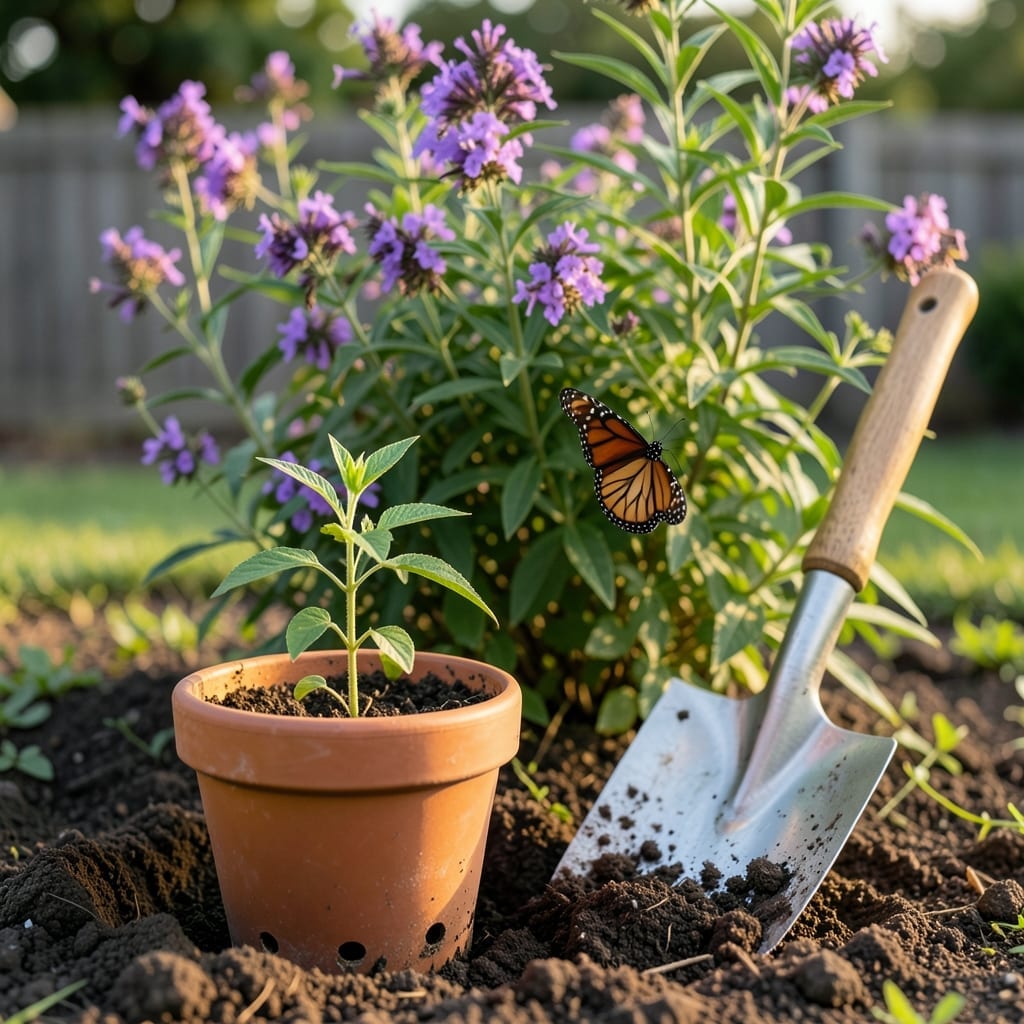
Picture your garden alive with vibrant wings fluttering from sunup to sundown. Getting that scene starts with one simple choice: when to put the Butterfly Bush 🦋 in the ground.
Plant too early in chilly zones 5-9, and frost can nip new growth. Plant too late, and the shrub struggles to root before summer heat. Timing truly makes or breaks the show.
I’ll show you the best windows—spring or fall—and how to match them to your local weather so your bushes thrive and bloom nonstop.
Timing your butterfly bush planting is key to strong roots and abundant blooms. This shrub thrives when it has time to establish before extreme heat or cold hits. I always aim for periods when the soil is workable and temperatures are mild.
In most regions, spring and early fall are ideal. Spring planting lets the bush grow all season, while fall planting gives roots a head start before winter dormancy. Both windows avoid the stress of summer scorchers or frost.
| Season | Best For | Key Benefit |
|---|---|---|
| Spring | Zones 5-9 | Full season growth |
| Early Fall | Zones 6-9 | Establish roots before winter |
| Late Fall | Zones 7-9 | Mild climate advantage |
For spring planting, wait until after your last frost date. In Zone 5, that’s typically mid-April, while Zone 9 gardeners can start as early as February. The soil should be at least 60°F for best results.
Fall planting works well in warmer zones. Aim for 6-8 weeks before your first frost to give roots time to settle. In Zone 6, that means planting by late September. Cooler soil temperatures encourage root growth without top growth stress.
I’ve found that container-grown butterfly bushes can be planted anytime during the growing season, as long as you water deeply and mulch well. Bare-root plants, however, do best in early spring or fall.
Soil preparation matters too. Before planting, I always loosen the soil to 18 inches deep and mix in compost for nutrients. This gives the shrub a strong foundation, whether you’re planting in spring or fall.
Remember, butterfly bushes love full sun—at least 6-8 hours daily. Choose a spot with good drainage to prevent root rot. If your soil is heavy clay, consider amending it or planting in a raised bed.
In my experience, morning planting reduces transplant shock. The cooler temperatures and lower sun intensity give the shrub time to adjust before the heat of the day. Always water thoroughly after planting and keep the soil moist for the first few weeks.
Finally, avoid planting during summer heatwaves or winter freezes. Extreme temperatures stress the plant and can lead to poor establishment. Stick to the mild seasons, and your butterfly bush will reward you with years of vibrant blooms and pollinator activity 🌿
Getting the timing right for butterfly bush depends heavily on your USDA Hardiness Zone. I’ve learned that even within the same state, planting windows can vary by weeks. The key is matching your local frost dates and soil temperatures to the shrub’s needs.
For gardeners in Zones 5-6, spring planting after the last frost is ideal. This gives the bush a full growing season to establish. In Zone 7, you can push planting into early fall, as long as you finish 6-8 weeks before the first frost.
In Zone 8, the mild winters allow for fall planting as late as November. But I recommend avoiding the peak of summer heat, as the stress can hinder establishment. For Zone 9, you’re lucky—the butterfly bush can go in the ground almost anytime, except during extreme summer heat.
Soil temperature is another critical factor. I always check that the soil is at least 60°F before planting. In cooler zones, this might mean waiting until late spring. In warmer zones, the soil reaches this temperature much earlier, allowing for earlier planting.
Local microclimates can also influence timing. If you’re in a low-lying area that stays cooler longer, you might need to delay spring planting. Conversely, a south-facing slope warms up faster, letting you plant a bit earlier.
For the best results, I suggest using a soil thermometer to check conditions. And always water deeply after planting, no matter the zone. This helps the roots settle and reduces transplant shock 🌱