
Beautiful Plants For Your Interior
Beautiful Plants For Your Interior
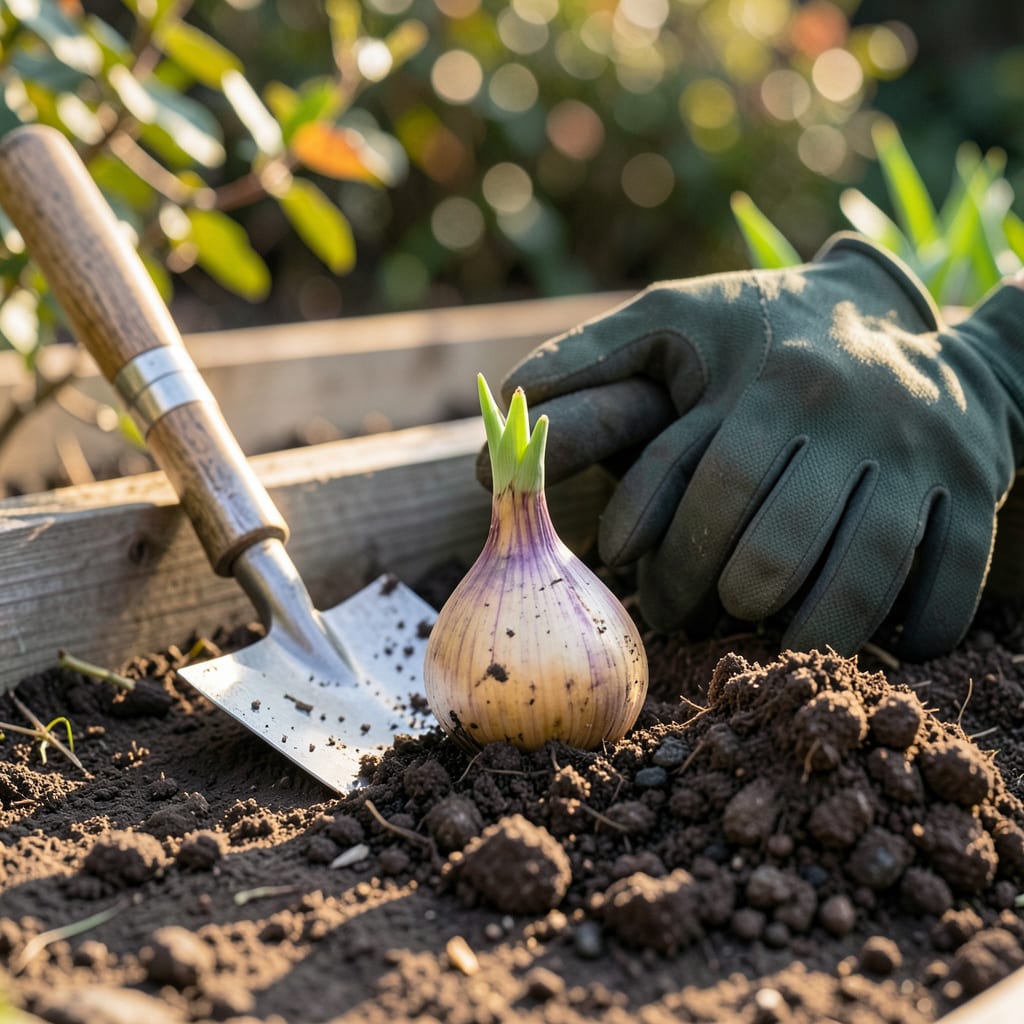
Timing can make or break your spring garden in Wisconsin. Plant those 🌱 bulbs too early, and they might rot before winter. Wait too long, and you’ll be staring at bare soil when your neighbors’ yards burst with color.
After years of testing what works in Zone 5’s finicky climate, I’ve nailed down the perfect window—whether you’re in Milwaukee or Madison. Let me show you exactly when to get those tulips and daffodils in the ground for a showstopping spring.
If you’re dreaming of a vibrant spring garden in Wisconsin, timing your bulb planting is critical. Our Zone 5 climate means we need to get bulbs in the ground before the first hard frost, but not so early that warm soil triggers premature growth. I’ve found late September through October works best for most spring-blooming favorites.
Wisconsin’s weather can be unpredictable, so I always check the 10-day forecast before planting. You want soil temperatures around 60°F—cool enough to prevent sprouting but warm enough for roots to establish. Northern Wisconsin gardeners should aim for earlier planting (late September), while southern regions can push into early November.
| Bulb Type | Best Planting Window | Depth & Spacing | Bloom Time |
|---|---|---|---|
| Tulips | Sept 20–Oct 20 | 6″ deep, 4–6″ apart | April–May |
| Daffodils | Sept 15–Oct 30 | 6″ deep, 6″ apart | March–April |
| Crocuses | Sept 1–Oct 15 | 3″ deep, 3″ apart | Feb–March |
| Hyacinths | Sept 25–Oct 15 | 6″ deep, 6″ apart | April |
| Alliums | Oct 1–Nov 1 | 6″ deep, 8″ apart | May–June |
*Adjust for microclimates—Lake Michigan areas may plant 1–2 weeks later.
For summer-blooming bulbs like dahlias and lilies, wait until soil reaches 60°F in late May or early June. These tender bulbs can’t handle Wisconsin winters, so I plant them after our last frost date (typically May 15 in southern WI, later up north). Use a soil thermometer to be precise—it’s my secret weapon!
Don’t forget about soil preparation. Wisconsin’s clay-heavy soil benefits from added compost or sand to improve drainage. I mix in a 2-inch layer of organic matter before planting. For extra protection, add a 3-inch mulch layer after planting—shredded leaves or straw work great to insulate bulbs through our harsh winters.
If you’re in urban areas like Milwaukee or Madison, your microclimate might be slightly warmer due to heat islands. I’ve noticed bulbs planted near buildings or paved areas often bloom 1–2 weeks earlier. Keep records of your planting dates and bloom times to fine-tune your schedule each year.
For naturalizing bulbs (like daffodils or crocuses), choose a spot where they can spread undisturbed. I love planting them in lawn areas—just avoid mowing until foliage yellows. This works especially well with early-blooming crocuses, which often push through snow for a cheerful February surprise!
Remember, deer-resistant varieties like daffodils and alliums are lifesavers in Wisconsin. I’ve had entire tulip displays devoured overnight, so now I plant them closer to the house or use deer repellent sprays in early spring. Fritillarias are another great deer-proof option with striking, bell-shaped flowers.
Pro tip: Label your bulb plantings with weatherproof markers. It’s easy to forget where you planted what, especially with late-fall plantings. I use color-coded popsicle sticks—red for tulips, yellow for daffodils—and map my garden each year. This helps with future planning and avoids accidental digging.
Finally, don’t stress if you miss the ideal window. I’ve successfully planted bulbs as late as November by pre-chilling them in the fridge for 6–8 weeks. Just get them in before the ground freezes solid. Wisconsin gardeners are resilient, and our bulbs can be too with a little extra care! 🌷
Even experienced gardeners can mess up bulb planting in Wisconsin’s Zone 5 climate. I’ve made my fair share of errors—like planting tulips too shallow or forgetting to amend our clay-heavy soil. Let’s tackle the biggest mistakes so you can avoid disappointing spring results.
One of the most common issues is planting at the wrong depth. Too shallow, and bulbs may freeze; too deep, and they’ll struggle to emerge. I use the “3x rule”: plant bulbs three times deeper than their height. For example, a 2-inch tulip bulb goes 6 inches deep. A bulb planter tool makes this job much easier.
Another critical error is planting in poorly drained spots. Wisconsin’s clay soil is notorious for holding moisture, which causes bulbs to rot over winter. I always test drainage by digging a 12-inch hole, filling it with water, and timing how long it takes to drain. If water sits for more than 4 hours, amend with compost or plant in raised beds.
Timing mistakes are especially costly here. Plant too early in warm soil, and bulbs may sprout prematurely—only to be killed by frost. Plant too late, and roots won’t establish. I’ve found that soil temperature (not just calendar dates) is key. Use a soil thermometer to confirm temps are below 60°F for spring bloomers.
Many gardeners also forget to fertilize at planting time. I mix a low-nitrogen, high-phosphorus fertilizer (like 5-10-10) into the soil beneath each bulb. This encourages strong root development without promoting premature top growth. Avoid fresh manure—it’s too high in nitrogen and can burn bulb roots.
Avoid the temptation to cut back foliage too soon after blooming. Those ugly yellowing leaves are feeding the bulb for next year’s flowers! I wait until foliage is completely brown and papery before removing it. For tidier gardens, plant bulbs behind perennials that will hide the dying leaves, like hostas or daylilies.
Finally, don’t assume all bulbs are perennial in Wisconsin. Many tulips decline after 2–3 years, while daffodils and alliums naturalize beautifully. I treat tulips as annuals for reliable color, replanting fresh bulbs each fall. For true perennials, choose ‘Darwin Hybrid’ tulips or ‘Ice Follies’ daffodils—they come back year after year with proper care. 🌿
Who says Wisconsin gardens can only enjoy 2 weeks of bulb blooms? With some strategic planning, you can stretch that color show from early March through May. The secret lies in layering bulbs and choosing varieties with staggered bloom times. I call this the “bulb lasagna” method!
Start with early bloomers like snow crocuses (February–March) as your base layer. Plant them 6 inches deep, then add a layer of soil. Next, add mid-season stars like hyacinths or early daffodils at 4–5 inches deep. Top it off with late tulips or alliums at 3 inches deep.
Layer bulbs by bloom time in the same hole:
Result: 3 months of continuous color from one planting spot!
Pair your bulbs with companion perennials to hide fading foliage. I love planting daffodils with hostas or tulips behind daylilies. The perennials emerge just as bulb leaves start to yellow, keeping your garden looking tidy while bulbs recharge for next year.
For urban Wisconsin gardens (Milwaukee, Madison), take advantage of microclimate hotspots. South-facing walls or paved areas create warmer pockets where bulbs bloom 1–2 weeks earlier. I’ve had success with ‘Tête-à-Tête’ daffodils in these spots—they often bloom in late February!
Don’t overlook summer-blooming bulbs like dahlias and lilies. While they won’t extend spring, they’ll carry your color into July and August. Plant these after our last frost (around May 15) in well-drained soil. I love pairing orange dahlias with purple alliums for a bold summer statement.
Finally, keep a garden journal to track bloom times each year. Note which varieties perform best in your specific Wisconsin location. Over time, you’ll create a customized planting schedule that maximizes color in your unique microclimate. With these techniques, you can enjoy bulbs from the first snowmelt to summer’s start! 🌷
Planting too early in warm soil can trigger premature sprouting. When temperatures drop, these tender shoots may freeze and die. Aim for soil temps below 60°F—typically late September through October for most spring-blooming varieties.
You can, but it’s risky. Bulbs need 4-6 weeks to establish roots before the ground freezes. If planting after frost, pre-chill bulbs in the fridge for 6-8 weeks first. Get them in the ground before soil becomes rock-hard.
Apply a 3-4 inch mulch layer (straw or shredded leaves) after planting. This insulates soil and prevents frost heave. In northern Wisconsin, add an extra inch of mulch. Remove gradually in spring as shoots emerge.
Daffodils, alliums, and crocuses are reliable perennials. Most tulips decline after 2-3 years—treat them as annuals. For true perennials, choose ‘Darwin Hybrid’ tulips or ‘Ice Follies’ daffodils. These naturalize beautifully with proper care.
Deer love tulips! Plant them close to your house or intersperse with deer-resistant bulbs like daffodils or alliums. Use commercial repellents in early spring when shoots emerge. Fritillarias are another great deer-proof option with unique bell-shaped flowers.
