
Beautiful Plants For Your Interior
Beautiful Plants For Your Interior
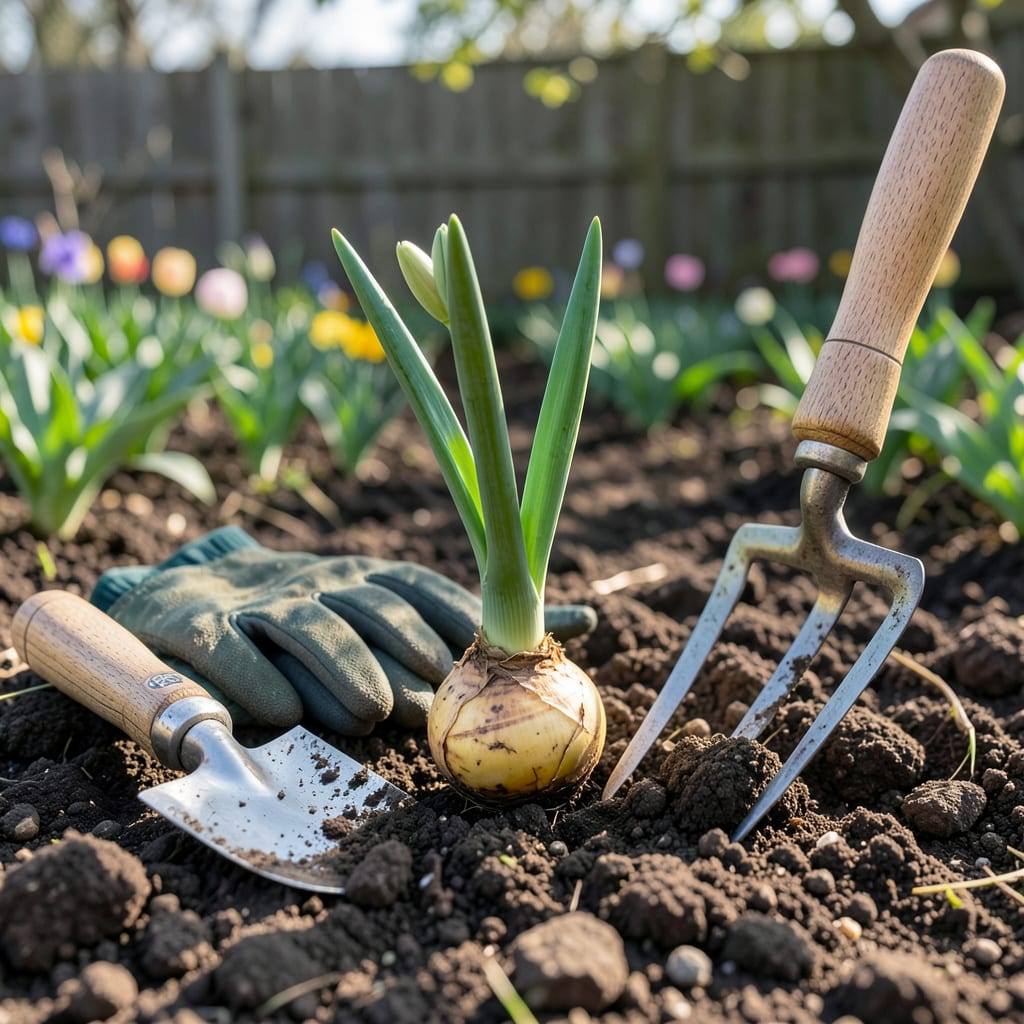
If you’ve ever planted bulbs in Tennessee only to be met with lackluster blooms, timing might be your missing piece. Our state’s zone 7 climate creates a unique window where soil temperature and frost dates dictate success—or disappointment.
I’ll cut through the guesswork and show you exactly when to get those 🌱 bulbs in the ground for vibrant spring color. Whether you’re in Memphis or the Smokies, these zone-specific insights will transform your garden’s potential. Let’s dig into the details that make all the difference.
If you’re dreaming of a vibrant spring garden in Tennessee, timing your bulb planting is non-negotiable. Our zone 7 climate gives us a unique advantage, but those fall planting windows can slip by faster than you think. I’ve learned the hard way that October to November is prime time for tulips and daffodils—wait too long, and the ground freezes before roots establish.
Tennessee’s microclimates add another layer—gardeners in Memphis (zone 8a) can plant a bit later than those in the Smoky Mountains (zone 6b). Always check your local frost dates; I use the UT Extension’s frost calculator for pinpoint accuracy. Soil temps should dip below 60°F before planting to prevent premature sprouting.
| Bulb Type | Planting Window | Ideal Soil Temp | Bloom Time |
|---|---|---|---|
| Tulips | Mid-Oct to Mid-Nov | Below 55°F | Early Spring |
| Daffodils | Late Sept to Early Nov | Below 60°F | Late Winter |
| Hyacinths | Early to Mid-Oct | Below 55°F | Early Spring |
| Crocus | Late Sept to Oct | Below 50°F | Late Winter |
| Alliums | Oct to Early Nov | Below 60°F | Late Spring |
Note: Adjust for East TN (earlier frost) vs. West TN (later frost). Test soil with a $10 thermometer from your local garden center.
For summer-blooming bulbs like dahlias or gladiolas, shift your focus to spring planting. I start these in late April to early May, once soil temps hit 65°F. Tennessee’s humid summers mean you’ll need to watch for bulb rot—plant in well-draining beds and add compost to break up our notorious clay soil.
Here’s my pro tip: Use a soil thermometer (not just air temps!) to nail your timing. I buried mine 4 inches deep where I planned to plant—when it read 58°F, I knew it was go-time for daffodils. For naturalizing bulbs like grape hyacinths, plant 1–2 weeks earlier so they establish before winter.
Don’t forget chill hours! Tennessee’s winters usually provide enough, but in warmer years, I’ve had to pre-chill tulip bulbs in the fridge for 6 weeks before planting. Label them clearly—you don’t want your spouse mistaking them for onions (yes, this happened to me).
If you’re in urban areas like Nashville or Chattanooga, watch for heat islands that delay soil cooling. I’ve found mulching with straw (not hay!) helps regulate temps. For rural gardens, deer pressure is real—opt for deer-resistant bulbs like fritillaria or alliums, or use chicken wire cages at planting.
Post-planting, mark your bulb locations with biodegradable flags or popsicle sticks—trust me, you’ll forget by spring! Water once deeply after planting to settle soil, then hold off unless we hit a drought. Come spring, you’ll be rewarded with weeks of color if you nailed the timing.
Still unsure? Check your county’s cooperative extension for hyper-local advice. I call the UT Extension office every fall—they’ve saved my bulbs more than once with real-time soil updates. And remember: Tennessee gardens thrive on flexibility. If you miss the ideal window, potted bulbs can be a great backup!
Finally, keep a garden journal with notes on what worked (and what didn’t). Last year, my ‘Ice Follies’ daffodils bloomed 3 weeks early thanks to a mild
Even experienced gardeners can sabotage their bulb success with simple oversights. I’ve made my share of mistakes—like planting tulips too shallow one year, only to watch squirrels dig them up like buried treasure. Tennessee’s clay-heavy soil and unpredictable thaws demand extra attention.
One of the biggest errors I see? Ignoring soil drainage. Our state’s clay can turn bulb beds into swamps after winter rains. Always amend with compost or sand before planting—your bulbs will rot without it. Another classic blunder: skipping the chill period for tulips in warmer zones like Memphis.
1. Planting Too Late: Bulbs need 4-6 weeks to root before frost. In East TN (zone 6b), aim for early October; West TN (zone 8a) can push to early November.
2. Wrong Depth: Rule of thumb—plant 3x deeper than the bulb’s height. Daffodils go 6 inches deep; crocus only needs 3 inches.
3. Overwatering: After planting, one deep watering is enough. Tennessee’s winter rains usually handle the rest—unless we hit a drought.
4. Poor Mulching: Skip this, and freeze-thaw cycles can heave bulbs out of the ground. Use 2-3 inches of straw (not hay—it attracts rodents!).
5. Ignoring Deer: In rural areas, deer-resistant bulbs like alliums or fritillaria are non-negotiable. Urban gardeners, watch for squirrels—chicken wire cages work wonders.
Here’s a mistake that stung me personally: planting diseased bulbs. Always inspect for soft spots or mold before buying. I once unknowingly planted infected hyacinths, and the rot spread to my healthy tulips. Now I soak bulbs in fungicide (like Captain Jack’s) for 30 minutes before planting.
Another overlooked issue? Soil pH imbalance. Tennessee soils often skew acidic (pH 5.5–6.5), but bulbs prefer 6.0–7.0. Test with a $15 kit from your local extension office. If needed, add lime to raise pH or sulfur to lower it—but do this weeks before planting.
Fertilizer missteps can also derail your blooms. Avoid high-nitrogen mixes in fall—they promote leafy growth that winter kills. Instead, use a low-nitrogen, high-phosphorus blend (like 5-10-10) at planting. I sprinkle bone meal in the hole for extra phosphorus, but skip it if dogs dig in your garden (it attracts them!).
Finally, don’t underestimate Tennessee’s microclimate variations. My Nashville friends plant 2 weeks later than my cousins in the Smokies. Use the UT Extension’s frost map to find your exact frost dates, and adjust accordingly. And if you’re tempted to reuse bulb containers without cleaning? Don’t—fungal spores linger and can wipe out next year’s display.
The good news? Most mistakes are fixable. If you’ve already planted too shallow, add mulch for insulation. Forgot to fertilize? Top-dress with compost in early spring. Even if your timing was off, potted bulbs can salvage the season—just keep them in a cool garage until soil temps drop. Tennessee gardens are forgiving if you’re willing to adapt! 🌱
Not all bulbs thrive equally in Tennessee’s humid summers and variable winters. After years of testing, I’ve narrowed down the most reliable performers for our zone 7 gardens. These picks handle our clay soil, resist deer pressure, and return year after year with minimal fuss.
For early spring color, you can’t beat ‘Ice Follies’ daffodils—they naturalize beautifully and laugh at Tennessee’s late frosts. Pair them with ‘Purple Striped’ crocus for a pollinator-friendly kickstart to the season. Both tolerate our acidic soil and multiply over time.
Pro Tip: For urban gardens, try ‘Tête-à-Tête’ daffodils—they thrive in containers and brighten small spaces.
If deer or squirrels raid your garden, focus on alliums and fritillaria. Their strong scent deters critters while adding architectural interest. For shady spots, ‘Snowdrop’ galanthus blooms before trees leaf out, and ‘Spanish Bluebells’ handle partial shade beautifully.
For summer drama, Tennessee gardeners swear by ‘Café au Lait’ dahlias—but they’re high-maintenance. You’ll need to stake stems, water deeply, and dig tubers before frost. If that’s too much work, try ‘Lucifer’ crocosmia—it’s drought-tolerant once established and attracts hummingbirds.
Don’t overlook native bulbs like ‘Rain Lily’ (Zephyranthes), which thrives in our hot summers and pops up after rains. For cut flower lovers, ‘Parrot’ tulips offer long stems and vibrant colors, but plant them 6 inches deep to prevent flopping.
Remember: Bigger bulbs (like ‘Giant Alliums’) produce bigger blooms but may need staking. For container gardens, stick to ‘Tete-a-Tete’ narcissus or ‘Pickwick’ crocus—they’re compact and low-maintenance. Always label your bulbs when storing; I use masking tape and permanent marker to avoid mix-ups!
Aim for soil temps below 60°F for most bulbs. I use a $10 thermometer to check 4 inches deep—when it hits 58°F, it’s go-time for daffodils. Tulips prefer it cooler, around 55°F or below.
East TN (zone 6b) gardeners should plant 2 weeks earlier than West TN (zone 8a). For example, plant tulips by mid-October in the Smokies but can push to early November in Memphis. Always check your local frost dates for precision.
Use well-draining pots and a soil mix with 30% perlite. Water once after planting, then move containers to a cool garage (below 50°F) for 8–10 weeks. Bring them out in late winter for early blooms.
Planting too shallow! Bulbs need to be buried 3x their height. For example, 2-inch daffodil bulbs require 6-inch holes. Also, skipping soil amendments in our clay-heavy soil leads to rot. Add compost to improve drainage.
Opt for deer-resistant varieties like alliums or fritillaria. For tulips, use chicken wire cages at planting or spray with repellent (like Plantskydd). In urban areas, mulch with gravel—squirrels dislike digging through it.
