
Beautiful Plants For Your Interior
Beautiful Plants For Your Interior
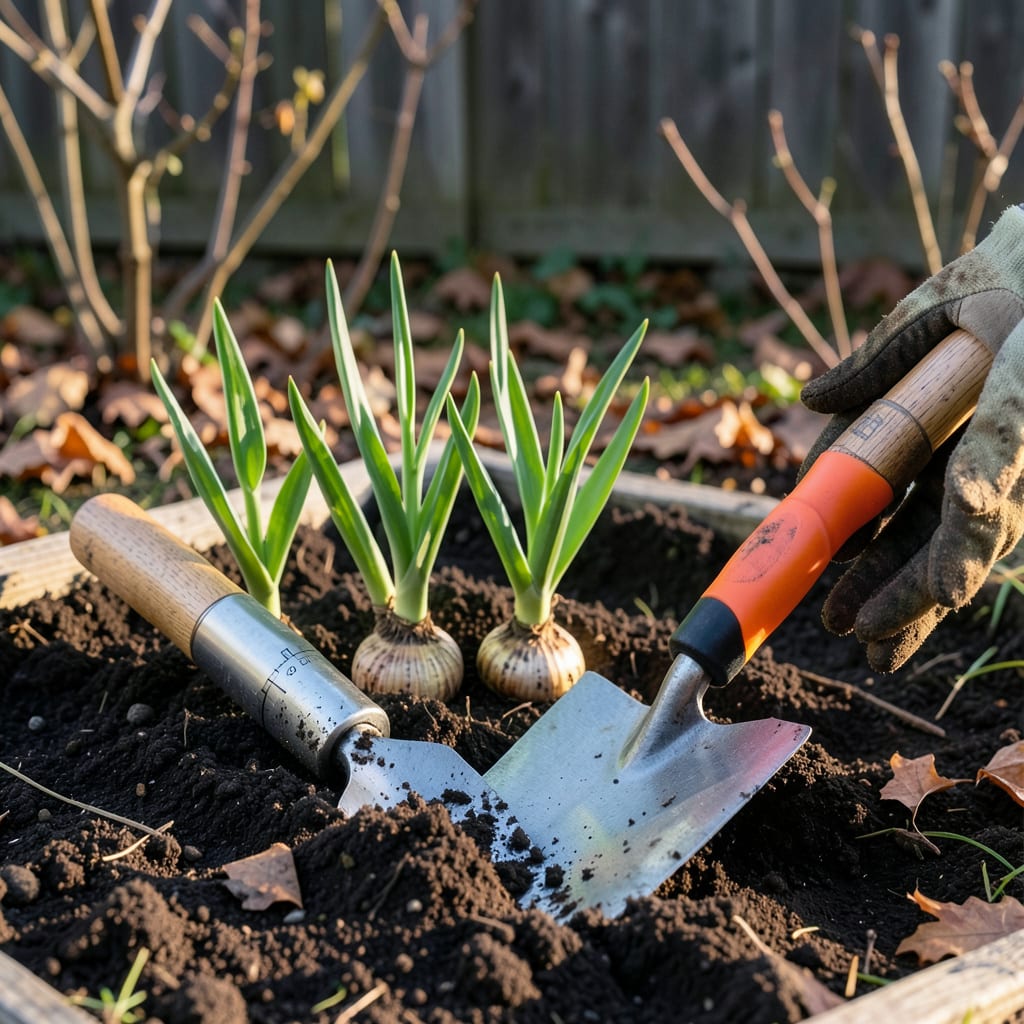
Timing can make or break your spring garden—plant those 🌷 Spring-Planted Bulbs too early, and frost might ruin them. Wait too long, and you’ll miss the season’s vibrant blooms entirely. It’s a delicate balance, but one that pays off with stunning results.
I’ve seen gardeners struggle with this every year, but the solution is simpler than you think. Whether you’re in zone 6 or a warmer climate, I’ll show you exactly when to get those bulbs in the ground for a showstopping display. Let’s dig in—your future self will thank you.
If you’re wondering when to plant bulbs in spring, timing depends entirely on your USDA hardiness zone. Spring-planted bulbs like dahlias, gladioli, and cannas thrive when soil reaches at least 55°F (13°C). Plant too early, and cold soil stunts growth; too late, and blooms may suffer.
I always check my last frost date first. In Zone 6, that’s around April 15, but warmer zones (like Zone 9) can plant as early as February. Cooler zones (like Zone 3) should wait until May to avoid frost damage.
| Zone | Planting Window | Soil Temp | Notes |
|---|---|---|---|
| 3-4 | May – June | 55°F+ | Wait until all frost risk passes. |
| 5-6 | April – May | 55°F+ | Ideal for dahlias and gladioli. |
| 7-8 | March – April | 60°F+ | Earlier planting works in mild winters. |
| 9-10 | February – March | 65°F+ | Pre-chill bulbs if winters are warm. |
For spring-blooming bulbs like tulips and daffodils, remember: they’re actually planted in fall! Spring planting focuses on summer-blooming varieties that need warmth to grow. I’ve had great success with calla lilies and elephant ears planted in late spring.
Soil preparation matters too. I recommend testing your soil’s drainage before planting. Bulbs rot in soggy soil, so amend with compost or sand if needed. A sunny spot (6+ hours of light) ensures vibrant blooms, though some varieties tolerate partial shade.
If you’re in a microclimate—like an urban heat island or coastal area—adjust your timing. I’ve noticed city gardens warm up 2-3 weeks earlier than rural areas. Use a soil thermometer (inexpensive at garden centers) to confirm temperatures before planting.
For container planting, you can start bulbs 2-3 weeks earlier indoors. Move pots outside after the last frost. This trick works well for cannas and caladiums, which love heat but need time to establish roots.
Don’t forget mulching after planting! A 2-3 inch layer of organic mulch retains moisture and regulates soil temperature. I use shredded bark or straw—both break down over time, enriching the soil.
Water deeply after planting, then maintain consistent moisture (about 1 inch per week). Avoid overhead watering to prevent fungal diseases. A drip irrigation system or soaker hose works best for even distribution.
Finally, mark your calendar for fertilizing. I apply a balanced 10-10-10 fertilizer at planting, then switch to a low-nitrogen mix (like 5-10-10) once blooms appear. This encourages strong roots and vibrant flowers without excessive leaf growth.
With the right timing and care, your spring-planted bulbs will reward you with stunning summer blooms. Whether you’re in Zone 3 or Zone 10, adjusting for your local climate ensures success. Happy planting! 🌷
Even experienced gardeners sometimes get tripped up when planting spring bulbs. I’ve seen firsthand how small errors can lead to no blooms, weak plants, or even rotting bulbs. The good news? Most mistakes are easily avoidable once you know what to watch for.
One of the biggest issues I encounter is planting at the wrong depth. Bulbs need the right balance—too shallow, and they dry out or get damaged; too deep, and they struggle to sprout. A good rule of thumb: plant 2-3 times deeper than the bulb’s height. For example, a 2-inch dahlia tuber should go 4-6 inches deep.
⚠️ Avoid These Bulb-Planting Blunders
Another common mistake is ignoring soil conditions. Bulbs hate compacted or waterlogged soil. Before planting, I always loosen the soil to 12 inches deep and mix in organic matter. If your garden has clay soil, add perlite or coarse sand to improve drainage.
Overwatering is a silent killer for bulbs. While they need moisture to establish roots, soggy soil leads to fungal diseases like bulb rot. I water deeply once after planting, then only when the top 2 inches of soil feel dry. A soaker hose delivers water directly to roots without wetting foliage.
Many gardeners also overlook the importance of sunlight requirements. Most spring-planted bulbs need 6+ hours of sun daily. If your garden has partial shade, opt for varieties like caladiums or begonias, which tolerate less light. I’ve found that morning sun with afternoon shade works well in hotter climates.
Finally, don’t forget about post-planting care. After bulbs sprout, I apply a low-nitrogen fertilizer (like 5-10-10) to encourage blooms, not just leaves. Mulching with 2-3 inches of straw helps retain moisture and keeps weeds at bay. And if you’re in a windy area, consider staking taller varieties like gladioli to prevent toppling.
By steering clear of these pitfalls, you’ll set your bulbs up for success. Remember, even small adjustments—like checking soil temperature or improving drainage—can make a huge difference in your garden’s performance. Happy planting! 🌱
Missed the ideal planting window? Don’t panic! Some spring-planted bulbs are forgiving and can still thrive with late planting. I’ve had great success with varieties that establish quickly and bloom the same season, even when planted in late May or early June.
The key is choosing fast-growing bulbs that tolerate warmer soil. Varieties like alliums, crocosmia, and lilies often perform well when planted later. For best results, opt for pre-chilled bulbs or start them in containers indoors to give them a head start.
If you’re planting later than recommended, container gardening is your best friend. Start bulbs in pots indoors or in a greenhouse, then transplant them outside once they’ve sprouted. This method works especially well for cannas and elephant ears, which grow rapidly in warm conditions.
For faster results, soak bulbs in lukewarm water for 2-4 hours before planting. This hydrates them and kickstarts growth. I also recommend adding a slow-release fertilizer (like 10-10-10) to the planting hole to give them an extra nutrient boost.
Late-planted bulbs need consistent moisture to catch up. Water deeply 2-3 times per week (about 1-1.5 inches total) until established. Mulch with straw or shredded bark to retain moisture and keep roots cool during hot weather.
Even if you’re behind schedule, these resilient bulbs can still deliver a spectacular show. With a little extra care—like choosing the right varieties and giving them a nutrient-rich start—you’ll enjoy vibrant blooms in just a few weeks. Don’t let a late start stop you! 🌷
Planting too early exposes bulbs to cold soil and potential frost, which can cause rot or stunted growth. Wait until soil reaches at least 55°F (13°C)—typically 2-3 weeks after your last frost date. A soil thermometer takes the guesswork out of timing.
Containers let you start bulbs 2-3 weeks earlier indoors. Use well-draining potting mix and place pots in a sunny window (6+ hours of light). Move them outside after the last frost. This works especially well for cannas and caladiums.
A good rule is to plant bulbs 2-3 times deeper than their height. For example, a 2-inch dahlia tuber should go 4-6 inches deep. Too shallow risks drying out; too deep delays sprouting. Use a ruler to measure if you’re unsure.
Soak bulbs in lukewarm water for 2-4 hours before planting to jumpstart growth. Choose fast-growing varieties like alliums or crocosmia, and add a slow-release fertilizer (10-10-10) to the hole. Water 2-3 times weekly until established.
Common causes include insufficient sunlight (they need 6+ hours), overcrowding, or poor soil drainage. Test your soil’s moisture—bulbs rot in soggy conditions. If planted late, they may bloom next year instead. Check for pests like squirrels digging them up too!
