
Beautiful Plants For Your Interior
Beautiful Plants For Your Interior
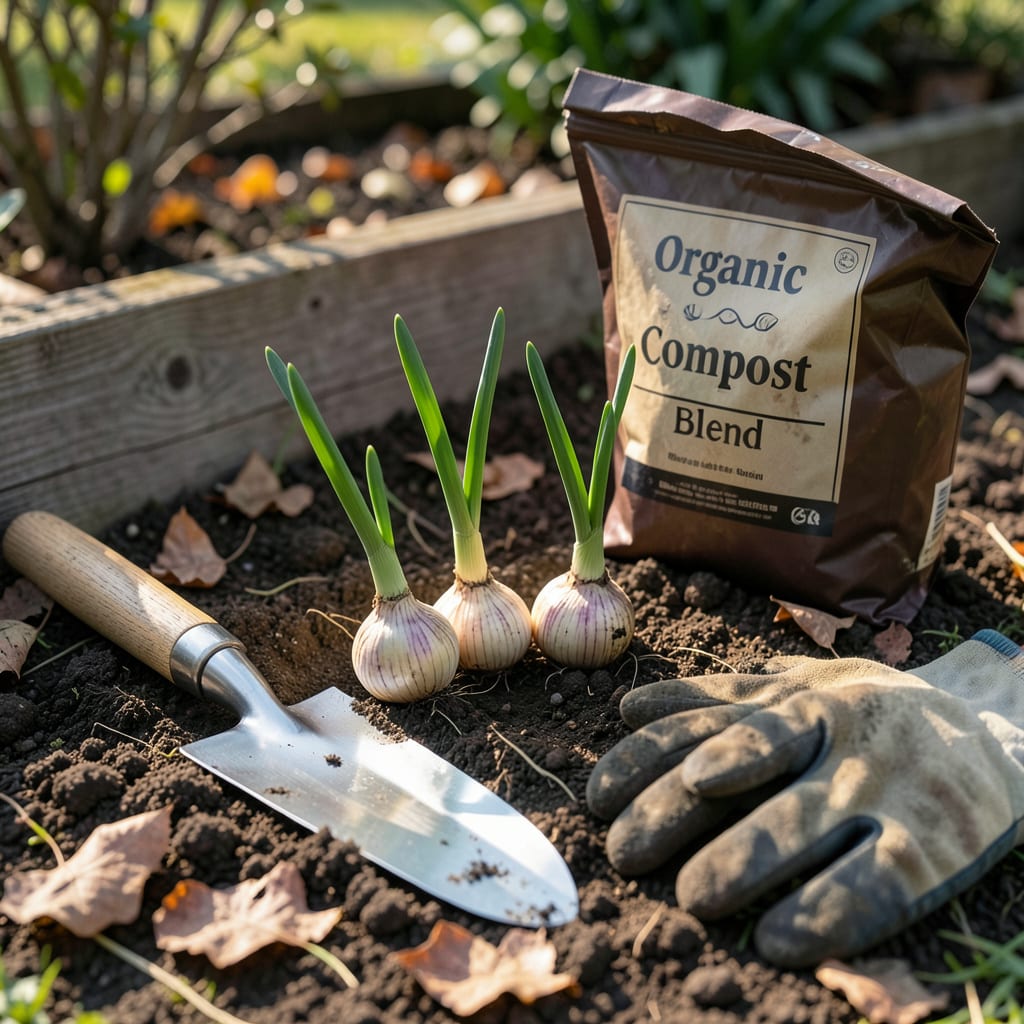
Southern California’s mild winters and scorching summers can make bulb planting feel like a guessing game. Plant too early, and your bulbs might rot in unexpected warmth; wait too long, and you’ll miss the window for vibrant spring blooms.
After years of testing what works in zones 8–11, I’ve nailed down the exact timing—whether you’re in foggy coastal areas or the dry inland valleys. Let’s cut through the confusion so you can plant with confidence and enjoy stunning flowers season after season.
If you’ve ever wondered why your tulips fizzle out or your dahlias never bloom, chances are you planted them at the wrong time. Southern California’s mild winters and hot summers create a unique rhythm for bulbs—one that’s very different from colder climates. Here’s the secret: fall planting isn’t just for spring blooms.☀️
In USDA Zones 8–11, where frost is rare, bulbs need a “chill period” to trigger roots—but not too much cold. Coastal gardeners in Zone 10 (think San Diego or Long Beach) can plant later than inland folks in Zone 8 (like Riverside). The key? Soil temperature, not just the calendar.🌡️
For spring-blooming bulbs like tulips and daffodils, the “fake winter” trick works wonders. Pop them in the fridge for 6–8 weeks before planting in December or January. This mimics the chill they’d get up north. Just avoid storing near apples—the ethylene gas ruins bulbs!🍏→🚫
Summer bloomers (think dahlias, gladiolas) thrive when planted in late spring. Wait until soil hits 60°F—usually April for coastals, May inland. I’ve found soaking bulbs overnight in lukewarm water gives them a head start in our dry soil. Just don’t let them sit in waterlogged ground.💧
Here’s a pro tip for clay soil: Mix in coarse sand and compost at a 1:1:1 ratio with native soil. Bulbs hate “wet feet,” so raised beds or mounds work better than flat ground. In my garden, I’ve had zero rot issues since switching to this method.✂️
If you’re in desert zones (like Coachella Valley), shift everything 2–3 weeks earlier. The extreme heat means bulbs need extra time to establish roots before 100°F+ temps hit. Mulch heavily with shredded bark to keep soil temps stable.☀️
For fall-blooming surprises, try colchicum or autumn crocus. Plant these in late summer (August) for September–October flowers. They’re deer-resistant and thrive in partial shade—perfect under trees.🌳
Remember: Water deeply after planting, then back off. Bulbs need moisture to root but rot in soggy soil. I use a soaker hose on a timer—15 minutes weekly unless we get rain (which, let’s be honest, is rare!).🌷
Lastly, don’t fertilize at planting. Wait until shoots emerge in spring, then use a low-nitrogen bulb food (like 5-10-10). Too much nitrogen =
Even with perfect timing, small errors can sabotage your bulbs in Southern California’s tricky climate. I’ve seen gardeners lose entire plantings to preventable mistakes—like planting too shallow or ignoring soil prep. Let’s fix these before they wreck your blooms.⚠️
The #1 killer of bulbs here? Poor drainage. Our clay-heavy soils hold water like a sponge, causing bulbs to rot before they sprout. Always test drainage by digging a 12-inch hole, filling it with water, and timing how long it takes to empty. If it’s slower than 1 hour, amend with compost.💧
⚠️ Critical Warning:
Planting bulbs in unamended clay soil is like giving them a death sentence. In my garden, I lost 30 tulips in one season before switching to raised beds with a mix of 50% native soil, 30% compost, and 20% coarse sand. Problem solved!
Another common blunder: Planting at the wrong depth. The rule is 3x the bulb’s height—so a 2-inch tall daffodil bulb needs a 6-inch deep hole. Too shallow, and bulbs dry out or get sunburned. Too deep, and they’ll never emerge. Use a measuring stick to check!✂️
Overwatering after planting is mistake #3. Bulbs need moisture to root, but soggy soil = disaster. Water once deeply after planting, then wait until soil dries to the touch before watering again. I use a moisture meter ($10 at nurseries) to take the guesswork out of it.🌱
Don’t ignore sun exposure either. While most bulbs love full sun, varieties like hyacinths and snowdrops prefer partial shade in our intense climate. Observe your garden’s sun patterns—morning sun with afternoon shade is ideal for many bulbs here.☀️
Finally, skipping mulch is a rookie error. A 2–3 inch layer of shredded bark or straw keeps soil temps stable, retains moisture, and deters weeds. In desert areas, mulch prevents soil from baking to 120°F+—a sure way to cook your bulbs before they grow.🌿
Southern California’s scorching summers and low humidity can turn many bulbs into crispy failures—unless you pick the right varieties. After testing dozens in my own garden, I’ve found heat-loving champions that laugh at 90°F+ temps and thrive on neglect.🌱
For drought-tolerant drama, you can’t beat Allium ‘Purple Sensation’. These ornamental onions send up 4-foot tall globes in late spring, and their deer-resistant foliage stays green even when water is scarce. Plant them in full sun and watch bees go wild.🐝
Sprekelia (also called Jacobean Lily) is my top pick for high-impact, low-effort color. Its blood-red flowers emerge in late spring on 2-foot stems, and the strappy foliage stays attractive year-round. Plant in well-draining soil and water only when leaves wilt.☀️
For summer-long color, Lycoris radiata (Hurricane Lily) is a showstopper. Its spidery red blooms appear in August–September, just when other plants fade. The secret? Plant bulbs 6 inches deep and forget about them—they naturalize beautifully. I’ve had clumps thrive for 5+ years with zero care.🌿
If you love cut flowers, Dutch Iris are your best bet. Their sword-like foliage stays neat, and the blue, purple, or yellow blooms last 2 weeks in vases. Plant in full sun and water every 10–14 days once established. They’re perfect for xeric gardens and pair well with lavender.✂️
For shadier spots, try Clivia miniata (not a true bulb but behaves like one). Its orange or yellow clusters brighten up north-facing gardens in late winter. Clivias handle dry shade better than most plants and multiply over time. I’ve divided mine every 3–4 years to share with neighbors!🌷
No, summer planting won’t work for spring bloomers like tulips or daffodils. These bulbs need a cooling period to develop roots. In Southern California, plant them in fall (Sept–Dec) for the best results.
Use a soil thermometer to check temperatures at 6 inches deep. For spring bloomers, aim for 60°F or cooler. If your soil is warmer, wait or plant in a shadier spot. Coastal areas often stay cooler longer than inland valleys.
Keep bulbs in a cool, dry, dark place (like a garage) until ready to plant. Avoid plastic bags—use mesh bags or cardboard boxes for airflow. For tulips and hyacinths, refrigerate for 6–8 weeks before planting to mimic winter. →
Yes, water deeply once after planting to help roots establish. After that, reduce watering—bulbs rot in soggy soil. Use a soaker hose for 15 minutes weekly unless rain occurs. Mulch helps retain moisture without overwatering.
First-year bulbs often focus on root growth rather than flowers. If planted correctly, they’ll bloom the following season. Poor blooms can also result from insufficient chill hours or overcrowding. Try refrigerating bulbs before planting next time.
