
Beautiful Plants For Your Interior
Beautiful Plants For Your Interior
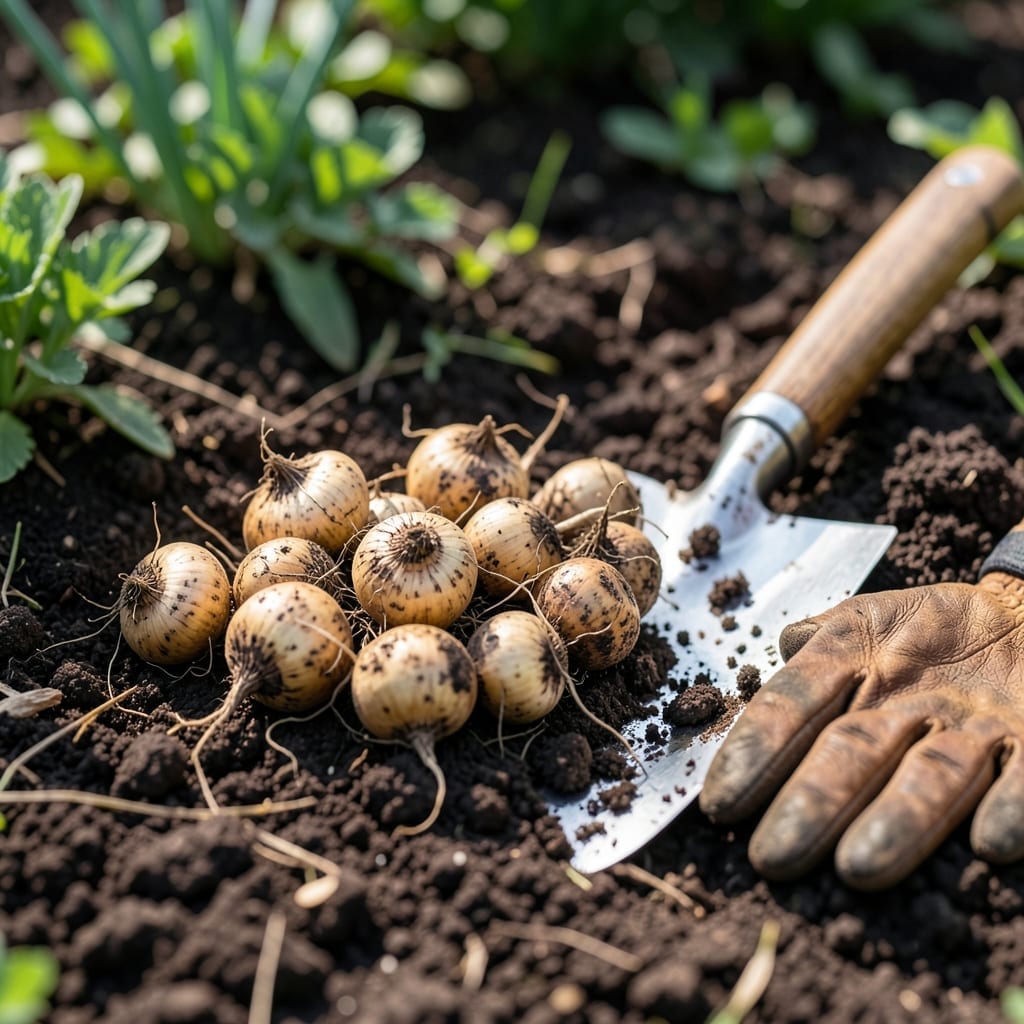
Phoenix’s desert climate doesn’t follow the same gardening rules as cooler regions. If you’ve ever wondered why your 🌷 Bulbs struggle to thrive, timing might be the culprit.
Planting at the wrong moment can mean the difference between vibrant blooms and disappointing results. In our unique USDA zone 9b, the window for success is narrow but precise.
I’ve learned through trial and error that Phoenix’s extreme heat and mild winters demand a different approach. The key lies in working with the desert’s rhythm, not against it.
Let me share the most effective planting schedule tailored specifically for this region. You’ll discover how to give your Bulbs the best start possible.
Phoenix’s USDA zone 9b-10a climate demands a fall planting window for most bulbs to thrive. The ideal time is November to December, when soil temps drop below 70°F but before the first frost hits.
This timing allows root establishment before winter dormancy. For spring bloomers like tulips or daffodils, 6-8 weeks of cooling is critical for vernalization. Summer bulbs like dahlias need early spring planting instead.
I always remind Phoenix gardeners that soil temperature matters more than air temperature. Use a soil thermometer to confirm readings below 65°F at 4-inch depth before planting.
For tender bulbs like cannas or elephant ears, wait until all frost risk passes in mid-March. These tropical varieties can’t handle even light freezes common in Phoenix winters.
Pre-chilling is essential for non-native bulbs like tulips. I recommend 12-14 weeks in the fridge before planting. This mimics the cold period they’d get in their natural habitat.
Phoenix’s alkaline soil often needs amendment. Mix in compost or sulfur to lower pH for acid-loving bulbs like hyacinths. Always test your soil first—it’s a game-changer.
Watering deeply after planting helps settle soil and encourages root growth. But remember, overwatering in cool months can cause rot. Aim for 1 inch per week during active growth.
I’ve found that mulching with 2-3 inches of organic material helps maintain consistent soil temps. This protects bulbs from temperature swings common in desert winters.
For container planting, use pots with drainage holes and a well-draining mix. Desert winds can dry out containers quickly, so check moisture levels every 2-3 days. 🌱
Phoenix’s unique climate demands type-specific timing for bulbs. I’ve found tulips thrive when planted in late November to early December, giving roots time before winter.
Dahlias prefer early spring planting, around February, to avoid summer heat stress. Other favorites like alliums and crocuses also need careful timing.
For heat-tolerant varieties, I recommend Rain Lilies or Agapanthus. These can handle Phoenix summers if given partial shade and consistent moisture.
Tulips need 6-8 weeks of chilling below 45°F. In Phoenix, I achieve this by pre-chilling bulbs in the fridge for 8-10 weeks before planting.
Dahlias are tender perennials here. I plant them after the last frost (typically mid-February) and dig up tubers in fall to store for winter.
For spring blooms, Narcissus and Hyacinths do well if planted in late fall. Just ensure well-draining soil to prevent rot in our occasional heavy rains.
Always mulch heavily after planting to protect bulbs from temperature swings. This simple step can boost survival rates significantly in our desert climate 🌷