
Beautiful Plants For Your Interior
Beautiful Plants For Your Interior
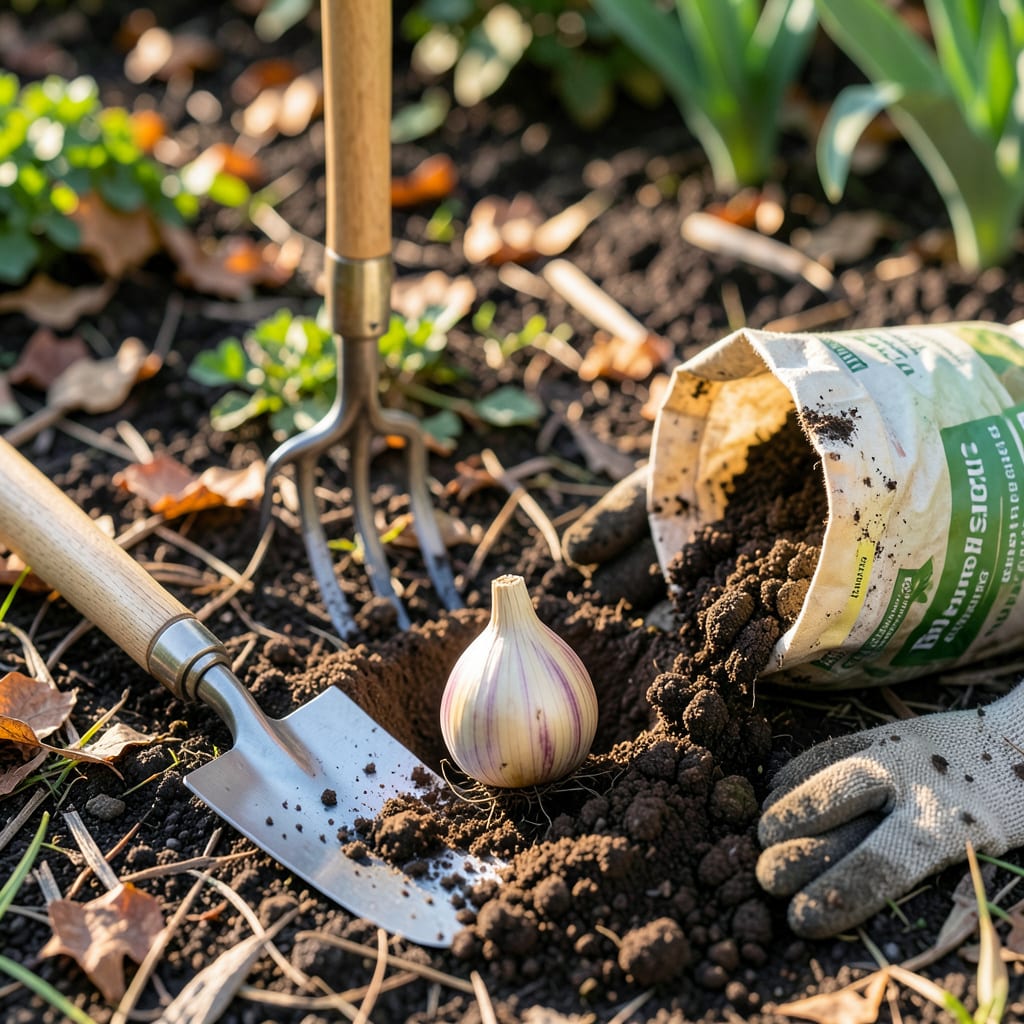
Timing can make or break your bulb garden in Ohio—plant too soon and they might rot, too late and they won’t bloom. After years of testing what works in our unpredictable climate, I’ve nailed down the perfect windows for spring and fall bulbs that thrive here.
Whether you’re in Cleveland’s Zone 6 or Cincinnati’s Zone 5, the rules shift slightly. I’ll break down exactly when to get those 🌱 bulbs in the ground for vibrant tulips, daffodils, or dahlias—plus the common mistakes that trip up even experienced gardeners. Let’s get your Ohio garden blooming like never before.
Ohio’s USDA Zones 5-6 create a unique challenge for bulb planting. The key is timing it around our first and last frost dates—typically October 15 and April 15. Get this right, and you’ll enjoy vibrant blooms year after year.
Northern Ohio (Cleveland, Toledo) tends to be cooler and wetter, while Southern Ohio (Cincinnati, Columbus) warms up faster. This means planting windows shift by 1-2 weeks depending on where you live. Let’s break it down by bulb type and region.
| Bulb Type | Best Planting Time | Northern Ohio (Zone 5) | Southern Ohio (Zone 6) |
|---|---|---|---|
| Tulips | Fall | Mid-Sept to Oct 10 | Late Sept to Oct 20 |
| Daffodils | Fall | Sept 20 to Oct 15 | Oct 1 to Oct 25 |
| Crocuses | Fall | Sept 1 to Sept 30 | Sept 15 to Oct 10 |
| Dahlias | Spring | May 15 to June 1 | May 1 to May 15 |
| Lilies | Spring/Fall | April 15 to May 15 | April 1 to May 1 |
For spring-blooming bulbs like tulips and daffodils, the soil temperature should be below 60°F when planting. I use a soil thermometer to check—it’s a game-changer for precision timing.
If you’re in Cincinnati or Columbus, you can push your fall planting dates 1-2 weeks later than Cleveland gardeners. Our southern regions warm up faster in spring too, so adjust accordingly.
Summer-blooming bulbs like dahlias and gladioli need warmer soil (above 55°F). Wait until after your last frost date—usually April 15 in most of Ohio, but check local data.
I always recommend planting in phases—especially for tulips. Stagger your planting over 2-3 weeks to extend your bloom season. This works particularly well with early, mid, and late-season varieties.
Don’t forget about minor bulbs like snowdrops and grape hyacinths. These can go in earlier in fall (late August to early September) since they’re more cold-hardy than larger bulbs.
Remember, bulb depth matters. The general rule is 3x the bulb’s height. For example, a 2-inch tulip bulb needs a 6-inch deep hole. This protects them from Ohio’s temperature swings.
If you’re dealing with heavy clay soil (common in Ohio), mix in compost or sand to improve drainage. Bulbs hate soggy feet, so this step is crucial for preventing rot.
Finally, mark your planting spots! I use biodegradable flags or a simple map. It’s easy to forget where you planted bulbs, especially if you’re adding layers like the lasagna planting method.
🌱Planting bulbs in Ohio isn’t just about timing—it’s about preparing the right foundation for them to thrive. Our clay-heavy soil and unpredictable weather demand extra attention. I’ll walk you through my foolproof method, from soil prep to post-planting care.
Start by choosing a well-draining location with at least 6 hours of sunlight. Ohio’s clay soil tends to hold water, which can cause bulbs to rot. I always amend my beds with compost and sand to improve drainage before planting.
⚠️ Ohio Gardener Alert!
Avoid planting in low-lying areas where water pools—this is the #1 killer of bulbs in our state. Test drainage by digging a 12-inch hole, filling it with water, and checking if it drains within 24 hours.
For fall-planted bulbs, I use the “3x depth rule”: dig holes three times deeper than the bulb’s height. A 2-inch daffodil bulb needs a 6-inch hole. Space bulbs 2-3 times their width apart for optimal growth.
After placing bulbs, backfill with soil and add a 2-3 inch layer of mulch. In Ohio, I recommend shredded leaves or straw—they insulate against temperature swings and suppress weeds. Avoid heavy mulches like wood chips that may compact and smother emerging shoots.
Water thoroughly after planting to settle the soil and eliminate air pockets. During fall planting, you only need to water once deeply unless we’re in a drought. For spring-planted bulbs, maintain consistent moisture but avoid waterlogging.
Here’s my Ohio-tested trick: Plant in groups of 5-7 bulbs for dramatic impact. Odd numbers create natural-looking clusters. For example, I plant 7 tulips together in a circular pattern rather than straight rows—it looks more organic and fills space beautifully.
Finally, protect your investment from Ohio’s wildlife. Deer love tulips, while squirrels dig up crocus bulbs. I use chicken wire cages (buried just below the surface) for new plantings and spray deer repellent in early spring when shoots emerge.
Ohio’s unique climate presents special challenges for bulb gardeners. Between deer pressure, unpredictable late frosts, and humid summers, your bulbs need extra TLC. Here are my top Ohio-tested strategies to keep blooms vibrant longer and pests at bay.
First, consider forcing bulbs indoors for early color. I start my paperwhite narcissus in December using gravel and water. They’ll bloom in 4-6 weeks, giving you winter cheer when Ohio’s landscape is dormant.
For extended blooms, try the “bulb lasagna” technique. Layer different bulb types in one pot—tulips deepest, then daffodils, topped with crocuses. This creates weeks of sequential color from a single container.
Don’t overlook soil testing. Ohio’s soil often lacks phosphorus, crucial for bulb root development. I amend with bone meal (1 tbsp per hole) at planting time. Avoid fresh manure—it’s too high in nitrogen and can burn bulbs.
Finally, deadhead spent blooms but leave foliage until it turns yellow. This feeds the bulb for next year. In Ohio, I mark these spots with small sticks to avoid accidentally digging up bulbs while they’re storing energy.
🌷For container gardeners, move pots to a sheltered location (like against your house’s south wall) in winter. Wrap containers in bubble wrap to insulate roots from Ohio’s freeze-thaw cycles.
Planting too early can cause bulbs to sprout prematurely before winter. These tender shoots are vulnerable to frost damage, which may kill the bulb or prevent spring blooming. In Ohio, wait until soil temps drop below 60°F for fall planting.
Use containers with drainage holes and plant at the same depth as in-ground. Move pots to a sheltered spot (like a garage) when temps drop below 20°F, or wrap them in bubble wrap for insulation.
For squirrels, plant bulbs they dislike like daffodils or alliums. For deer, use chicken wire cages buried just below the surface or spray deer repellent in early spring when shoots emerge.
Water deeply once after planting to settle the soil. After that, Ohio’s fall rains usually provide enough moisture. Overwatering can cause rot, so only water again if we hit a dry spell.
Use shredded leaves or straw—both insulate well against Ohio’s temperature swings. Avoid wood chips, which can compact and smother emerging shoots in spring.
