
Beautiful Plants For Your Interior
Beautiful Plants For Your Interior
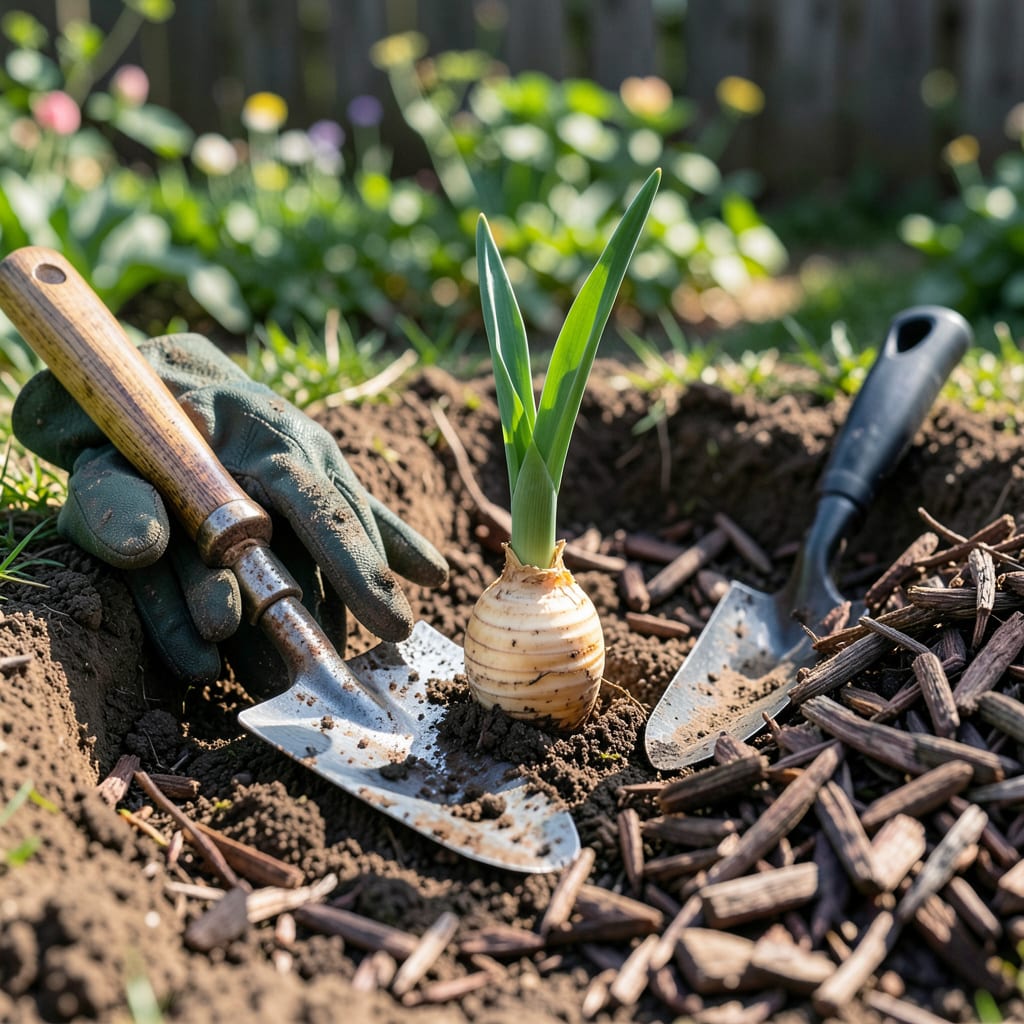
Timing your bulb planting in North Texas can feel like solving a puzzle—plant too soon and they’ll sprout before winter, too late and you’ll miss those vibrant spring blooms. But here’s the good news: I’ve cracked the code for our Zone 8a climate.
After years of testing, I’ll show you the exact fall window to get tulips, daffodils, and hyacinths thriving. No more guessing—just a foolproof schedule tailored for North Texas gardens. Let’s dig in.
If you’ve ever wondered why your tulips fizzle out or your daffodils refuse to bloom, timing is likely the culprit. North Texas’s USDA Zone 8a climate means we’ve got a narrow fall window to get bulbs in the ground—too early, and they’ll sprout before winter; too late, and roots won’t establish. Let’s break it down month by month.
The ideal soil temperature for planting bulbs is below 60°F, which typically hits North Texas in mid-October. But don’t rush—September’s lingering heat can trick bulbs into growing prematurely. I’ll show you how to read your soil and local forecasts like a pro.
| Bulb Type | Best Months | Depth | Spacing |
|---|---|---|---|
| Tulips | Late Oct–Nov | 6–8 inches | 4–6 inches apart |
| Daffodils | Mid-Oct–Dec | 6 inches | 3–6 inches apart |
| Hyacinths | Late Oct–Nov | 4–6 inches | 3–4 inches apart |
| Alliums | Oct–Early Dec | 6–8 inches | 8–12 inches apart |
| Crocuses | Sept–Oct | 3–4 inches | 2–3 inches apart |
*Plant 4–6 weeks before first frost (typically Nov 15 in DFW).
For urban gardeners in Dallas or Fort Worth, watch out for heat islands—concrete and asphalt can keep soil warmer longer. I recommend using a soil thermometer (available at local nurseries) to check temps at 6-inch depth before planting.
September planting is risky unless you’re in rural areas with cooler microclimates. If you must plant early, choose heat-tolerant varieties like ‘Red Riding Hood’ tulips or ‘Tête-à-Tête’ daffodils, and mulch heavily with shredded leaves to insulate the soil.
By mid-November, focus shifts to daffodils and alliums, which handle slightly warmer soils. Pro tip: If you’re planting in clay-heavy soil (common in North Texas), mix in compost or sand to improve drainage and prevent rot.
December plantings are your last chance for paperwhite narcissus or pre-chilled hyacinths. These can even be planted in containers for indoor forcing—perfect for holiday gifts! Just ensure they get 6+ weeks of chill time in the fridge first.
Remember, bulb depth matters: plant 2–3 times deeper than the bulb’s height. For example, a 2-inch daffodil bulb needs a 6-inch hole. Use a bulb planter tool to save your back and ensure consistent depth.
After planting, water deeply to settle the soil and eliminate air pockets. Then, apply a 2–3 inch layer of mulch (straw or shredded bark works well) to regulate soil temperature. Avoid wood chips, which can deplete nitrogen as they decompose.
If you’re new to bulb gardening, start with daffodils and alliums—they’re the most forgiving for beginners in North Texas. Save finicky tulips for year two, once you’ve got the hang of our unpredictable winters and clay soil challenges.
Even experienced gardeners can stumble when planting bulbs in North Texas. Our clay-heavy soil and unpredictable fall weather create unique challenges. I’ve seen too many gardeners lose their investment by making avoidable errors—let’s fix that before you even pick up your trowel.
The biggest mistake? Planting too shallow in our dense clay. Bulbs need 2–3 times their height in depth, but clay compacts easily, so dig 1–2 inches deeper than recommended. Trust me, your daffodils will thank you with bigger blooms next spring.
Another critical error is ignoring microclimates. Your south-facing bed might stay 5–10°F warmer than the north side of your house. I use a $10 soil thermometer to check temps at 6-inch depth—if it’s above 60°F, wait to plant.
Ever had bulbs sprout in January warm spells? That’s because they didn’t get enough cold stratification. For reliable blooms, choose low-chill varieties like ‘Carlton’ daffodils or ‘Lady Jane’ tulips, which only need 8–10 weeks of cold.
Mulch mistakes are another biggie. Piling on too much (or the wrong type) can smother bulbs. Stick to 2–3 inches of shredded leaves or straw—never wood chips, which steal nitrogen as they break down. Remove mulch gradually in early March as shoots emerge.
Finally, don’t fertilize at planting—it encourages leaf growth, not roots. Instead, scratch in bone meal (1 tbsp per bulb) for phosphorus, which supports root development. Save the balanced fertilizer (10-10-10) for early spring when shoots appear.
If you’ve struggled with bulbs before, start with ‘Tête-à-Tête’ daffodils or ‘Purple Striped’ squill—they’re nearly bulletproof in North Texas. Once you’ve mastered these, graduate to finickier tulips and hyacinths. Remember, even the pros learn by trial and error!
Not all bulbs thrive in North Texas’s heat and clay soil, but I’ve tested dozens to find the most reliable performers. The key? Choosing varieties bred for Zone 8a’s mild winters and drought-prone summers. Let’s cut through the guesswork with my top picks.
For beginner gardeners, start with ‘Ice Follies’ daffodils—they naturalize beautifully and laugh at our clay soil. Their creamy white petals with yellow centers brighten any garden, and they multiply yearly with zero fuss. Plant them in full sun to partial shade for best results.
For heat-loving gardeners, ‘Red Riding Hood’ tulips are a game-changer. Unlike traditional tulips that sulk in our warmth, these scarlet beauties handle Zone 8a heat like champs. Pair them with ‘Purple Striped’ squill for a drought-resistant combo that thrives on neglect.
Want long-lasting color? Layer bulbs by bloom time: plant crocuses (Sept) on top, daffodils (Oct) in the middle, and alliums (Nov) deepest. This “lasagna planting” technique gives you 8+ weeks of blooms from February through April.
For container gardeners, try ‘Tête-à-Tête’ daffodils—they’re compact, fragrant, and perfect for patios. Mix with ‘Blue Pearl’ crocuses for a cool-toned spring display. Use pots with drainage holes and a lightweight potting mix (add perlite to improve drainage).
Avoid ‘Parrot’ tulips and ‘Double Late’ varieties—they’re stunning but struggle with our humidity and heat. Instead, opt for ‘Lady Jane’ tulips or ‘Geranium’ daffodils, which are bred for southern climates and return reliably year after year.
Remember: Bigger bulbs = bigger blooms. When shopping, choose jumbo-sized bulbs (12cm+ for daffodils, 14cm+ for tulips). They cost more upfront but produce 3x the flowers and come back stronger each year. Store bulbs in a cool, dark place until planting time.
Planting too early (like in September) can trick bulbs into sprouting before winter. Our lingering heat keeps soil temps above 60°F, signaling bulbs to grow prematurely. If shoots emerge too soon, they’ll likely die in the first freeze.
January is risky, but not impossible for pre-chilled bulbs like paperwhites or narcissus. Store them in the fridge for 6+ weeks first, then plant in containers. In-ground planting isn’t ideal—roots need time to establish before spring growth.
Squirrels love tulips! Use chicken wire cages over planting holes or opt for daffodils—they’re toxic to rodents. A light dusting of cayenne pepper around the area can also deter diggers without harming plants.
Most tulips need 12–16 weeks below 40°F to bloom. In North Texas, buy pre-chilled bulbs or refrigerate them (away from fruit) for 8–10 weeks before planting. ‘Lady Jane’ and ‘Red Riding Hood’ varieties tolerate less chill.
Use 2–3 inches of shredded leaves or straw—they insulate soil without compacting clay. Avoid wood chips; they rob nitrogen as they decompose. Remove mulch gradually in early March as shoots emerge.
