
Beautiful Plants For Your Interior
Beautiful Plants For Your Interior
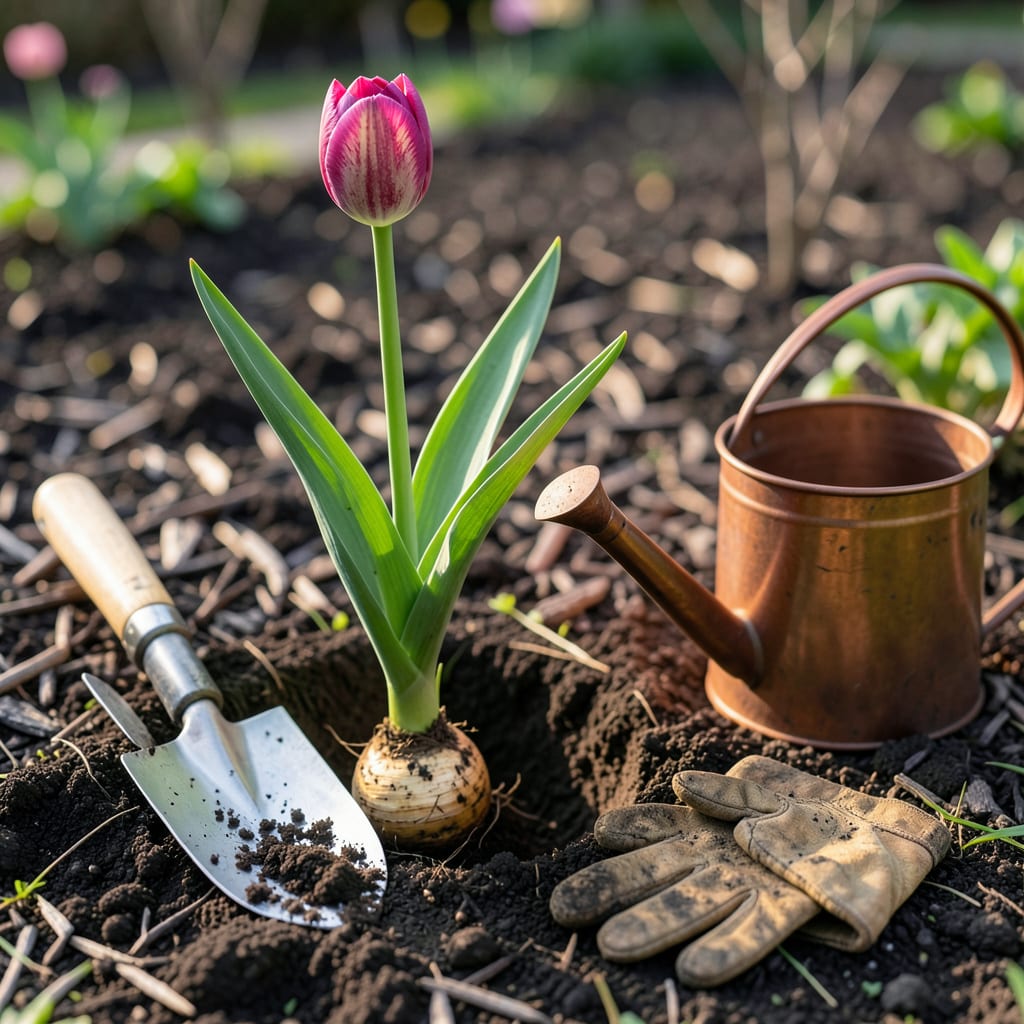
Michigan gardeners know the frustration: you plant bulbs with high hopes, only to see lackluster blooms—or worse, nothing at all. The culprit? Timing. Our state’s finicky weather demands precision, especially when it comes to favorites like 🌷 tulips and daffodils.
After years of trial (and error), I’ve nailed down the perfect windows for planting in zones 4–6. Whether you’re in Detroit or Traverse City, I’ll show you exactly when to get those bulbs in the ground—so you’re rewarded with vibrant color come spring. No more guessing games.
If you’ve ever wondered why your neighbor’s tulips burst into color while yours fizzle, the answer often lies in when they hit the soil. Michigan’s USDA zones 4–6 demand precise timing—plant too early, and bulbs may sprout prematurely; too late, and roots won’t establish before winter.
Here’s the golden rule: Spring-blooming bulbs (like daffodils and crocuses) thrive when planted in fall, while summer bloomers (think dahlias and gladioli) need a spring planting. But Michigan’s microclimates add a twist—coastal areas stay warmer longer than inland spots.
| Bulb Type | Best Planting Time | USDA Zones | Pro Tip |
|---|---|---|---|
| Tulips 🌷 | Mid-Sept to mid-Oct | 4–6 | Plant 6–8 weeks before first frost |
| Daffodils 🌼 | Late Sept to early Nov | 4–6 | Deer-resistant! Plant 2x deeper in sandy soil |
| Crocuses 💜 | Early Oct (zones 4–5) Late Oct (zone 6) |
4–6 | First to bloom—plant near south-facing walls |
| Dahlias 🌺 | Late May (after last frost) | 4–6 | Wait until soil hits 60°F |
Note: Adjust dates by 1–2 weeks for Upper Peninsula (cooler) vs. Lower Peninsula (warmer).
For spring-blooming bulbs, aim to plant when soil temps dip below 60°F—typically September through October in most of Michigan. I use a soil thermometer to take the guesswork out. In zone 4 (like Marquette), err earlier; in zone 6 (Detroit area), you’ve got until early November.
Summer-blooming bulbs are trickier. Wait until all frost risk passes—usually after May 15 in southern Michigan, but closer to June 1 up north. Dahlias and cannas hate cold soil, so I warm my beds with black plastic mulch 2 weeks before planting.
Here’s a pro trick: Layer bulbs for continuous color. Plant late-blooming tulips deepest (8”), daffodils mid-depth (6”), and crocuses near the surface (3”). This “lasagna method” gives you 6+ weeks of blooms from a single bed.
Don’t forget soil prep! Michigan’s clay-heavy soil can suffocate bulbs. I amend beds with compost and sand (50/50 mix) to improve drainage. For extra insurance, add a 2-inch mulch layer after planting to regulate temperature and moisture.
If you’re in a lake-effect snow belt (hello, Grand Rapids!), bulbs benefit from the extra insulation. But in windy areas, stake taller varieties like alliums early—their hollow stems snap easily in gusts.
Still unsure? Watch the maple trees. When their leaves start turning, it’s prime time for fall bulb planting. For summer bulbs, plant when lilacs finish blooming—nature’s perfect calendar! 🌳
Even with perfect timing, small missteps can sabotage your bulb game. I’ve seen healthy-looking tulips fail to bloom because of hidden mistakes—like planting too shallow or ignoring Michigan’s heavy clay soil. Let’s fix that.
Most issues stem from overlooking our state’s unique conditions: unpredictable thaws, lake-effect snow, and soil that drains slower than a clogged sink. The good news? These problems are easy to avoid once you know what to watch for.
Pro Tip: Label bulb locations with popsicle sticks—Michigan’s snow cover makes it easy to forget where you planted! ☀️
One mistake I see often? Using fresh manure as fertilizer. It burns bulb roots! Instead, I rely on aged compost or a 5-10-10 fertilizer worked into the soil below the bulb. Apply in early fall for spring bloomers, or at planting time for summer varieties.
Michigan’s lake-effect snow can be a blessing—it insulates bulbs naturally. But in windy areas (looking at you, Thumb region), tall bulbs like alliums need staking before they sprout. I use bamboo stakes and twine for support, installed when planting.
Here’s a quick test for soil drainage: Dig a 12” hole, fill with water, and time how long it takes to drain. If water sits longer than 30 minutes, your soil needs amendment. For heavy clay, I add coarse sand and peat moss to loosen it up.
Don’t let late frosts ruin your summer bulbs! In northern Michigan (zones 4–5), I wait until soil reaches 60°F—usually after Memorial Day. Use a soil thermometer (they’re cheap!) to take the guesswork out. For extra warmth, cover beds with black plastic 2 weeks before planting.
Remember: Bulbs are an investment. A little extra care in planting pays off with years of blooms. When in doubt, ask a local nursery—Michigan gardeners love sharing tips! 🌱
Michigan’s climate demands tough, adaptable bulbs that can handle freeze-thaw cycles and still deliver stunning blooms. After testing dozens of varieties, I’ve narrowed it down to the best performers for our zones 4–6. These picks thrive in our clay soil and bounce back from late frosts.
For early spring color, you can’t beat crocuses and snowdrops—they often push through snow! Mid-spring stars like daffodils and tulips follow, while summer showstoppers (dahlias, lilies) keep the party going. I’ll share my top choices for each season, plus deer-resistant and native options.
Pro Tip: For continuous color, pair early bloomers with late-emerging perennials like hostas—their leaves hide fading bulb foliage!
For deer-plagued gardens, I swear by daffodils, alliums, and fritillaria. These bulbs contain compounds deer avoid. In my Grand Rapids garden, I plant daffodils along the perimeter to protect tastier tulips inside the bed. It works like a charm!
Michigan’s summer bulbs need extra TLC. I pre-sprout dahlias in pots indoors (start in April) to get a head start. For gladioli, plant in successive waves (every 2 weeks) for blooms all summer. Both love full sun and well-drained soil—amend with compost!
Don’t overlook fall-blooming bulbs like autumn crocuses or colchicum. They’re rare gems that add color when most plants fade. Plant them in August in a sunny spot—they’ll naturalize over years with zero fuss. 🌼
Aim for soil temps below 60°F—typically September through October in most of Michigan. Use a soil thermometer to check. In zone 4 (Upper Peninsula), plant earlier; in zone 6 (Detroit), you’ve got until early November.
Add a 2–3 inch mulch layer (straw or shredded leaves) after planting to insulate against freeze-thaw cycles. In snow belt areas, the extra snow cover acts as natural protection—just avoid compacting it over bulb beds.
Use well-draining pots (at least 12” deep) and a mix of potting soil + perlite. Wait until after May 15 (last frost) to move them outdoors. Containers let you control soil temps better than ground planting.
Common culprits: planting too shallow (dig 8” deep), poor drainage (amend clay soil with compost), or deer snacking. Try interplanting with daffodils—deer avoid them! Also, let foliage yellow naturally to feed next year’s blooms.
Feed spring-blooming bulbs in early fall with 5-10-10 fertilizer (1 tbsp per 10 sqft). For summer bulbs, fertilize at planting and again when shoots emerge. Skip feeding after August—bulbs need to harden off for winter.
