
Beautiful Plants For Your Interior
Beautiful Plants For Your Interior
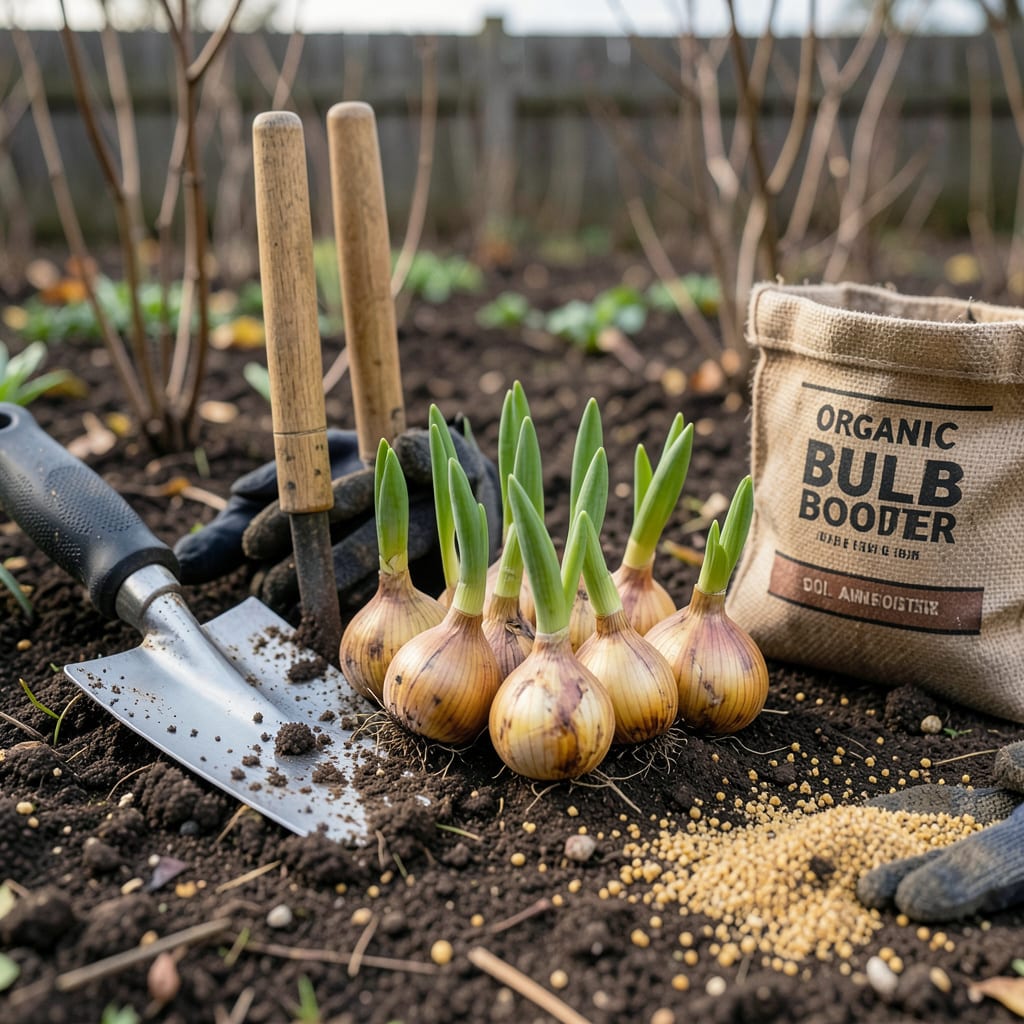
That first crisp October morning in Massachusetts signals more than just pumpkin spice season—it’s your cue to get those 🌷 bulbs in the ground. Plant them now, and you’ll be rewarded with a burst of color when spring finally shakes off winter’s chill.
But timing is everything here. Go too early, and tender shoots might peek out before the frost; wait too long, and roots won’t establish. I’ll break down the perfect fall window for tulips, daffodils, and more—so your garden steals the show next year.
If you’ve ever wondered why your spring-blooming bulbs didn’t perform well, timing might be the culprit. In Massachusetts (Zones 5a-7a), the ideal window for planting bulbs like tulips, daffodils, and crocuses is narrow but critical. The goal? Get them in the ground 4-6 weeks before the first hard frost. 🌷
For most of the state, that means aiming for mid-October through early November. Coastal areas (Zone 7a) can push planting to late November, while inland regions (Zone 5a) should wrap up by Halloween. Soil temperature matters too—wait until it dips below 60°F to prevent premature sprouting.
| Bulb Type | Planting Month | Bloom Time | Planting Depth |
|---|---|---|---|
| Tulips | Oct – Early Nov | April – May | 6-8 inches |
| Daffodils | Sept – Nov | March – April | 6-8 inches |
| Crocuses | Sept – Oct | Feb – March | 3-4 inches |
| Hyacinths | Oct – Nov | March – April | 6-7 inches |
| Alliums | Oct – Nov | May – June | 6-8 inches |
Why does this timing work? Bulbs need 4-6 weeks of cool soil to develop strong roots before winter. Plant too early in warm September soil, and you risk rot or early sprouting. Wait until December, and the ground may be frozen, making digging impossible. I always check the 10-day forecast for consistent 50°F nights—that’s my green light to plant.
For coastal Massachusetts (Zone 7a), you’ve got a bit more flexibility. The moderating ocean influence means soil stays workable longer, so late November plantings often succeed. Inland gardeners in Zone 5a (like Worcester County) should finish by October 31st to beat the freeze. A soil thermometer is a handy tool—when it reads 55°F or lower, it’s go time.
Don’t forget about soil prep! Massachusetts’ clay-heavy soil can suffocate bulbs if not amended. I mix in compost or sand to improve drainage, especially for tulips and hyacinths, which hate soggy roots. A 2-inch layer of mulch after planting helps regulate soil temperature and deters weeds. 🌿
If you miss the ideal window, there’s a workaround: pre-chilling bulbs. Store them in the fridge (not freezer!) for 6-8 weeks before planting. This mimics winter and can salvage late plantings. Just avoid storing near apples or pears—the ethylene gas they emit can damage bulbs.
For naturalizing bulbs like crocuses or snowdrops, timing is less critical. These tough little plants can handle late fall or even early winter planting as long as the ground isn’t frozen. I’ve had success planting minor bulbs (like Siberian squill) into December in protected microclimates near my home’s foundation.
Pro tip: Label your bulb locations! Massachusetts’ snow cover can obscure planting spots, and nothing’s worse than accidentally digging up bulbs in spring. I use biodegradable plant markers or a quick sketch of my garden layout. When green shoots emerge in March, you’ll thank yourself for the organization. ✅
Finally, consider succession planting for extended blooms. Plant early-blooming crocuses in September, followed by mid-season daffodils in October, and late tulips in November. This staggers your spring display and keeps color coming for weeks. Pair bulbs with perennials like hostas to hide fading foliage later in the season. 🪴
Even experienced gardeners can stumble when planting bulbs in Massachusetts’ finicky climate. The most common error? Planting too shallow, which exposes bulbs to freezing temps or critter snacks. I’ve learned the hard way that 6-8 inches deep is non-negotiable for tulips and daffodils. 🌷
Another pitfall is ignoring soil drainage. Our state’s clay-heavy soil holds moisture like a sponge, which spells disaster for bulbs prone to rot. Always amend beds with compost or sand—I aim for a 50/50 mix in problem areas. A quick drainage test (dig a hole, fill with water, time how long it takes to drain) can save your bulbs.
Here’s a mistake I see often: using fresh manure as fertilizer. While it’s nutrient-rich, fresh manure burns bulb roots. Always use well-aged compost (6+ months old) or commercial bulb food. I once lost an entire bed of hyacinths to this rookie error—learn from my pain!
Many gardeners also overlook bulb spacing. Crowded bulbs compete for nutrients, leading to smaller blooms. Follow the “twice as wide as the bulb” rule—that’s 4-6 inches apart for most varieties. For naturalized looks, I scatter bulbs and plant them where they land, but still aim for that minimum spacing.
Don’t forget about post-planting care! After tucking bulbs into the soil, water deeply to settle the earth and eliminate air pockets. Then, add a 2-3 inch mulch layer (shredded leaves or straw) to insulate against temperature swings. In coastal areas, salt spray can damage bulbs—rinse foliage with fresh water after winter storms. ✂️
Finally, resist the urge to cut back foliage too soon in spring. Those ugly yellowing leaves are feeding next year’s blooms! Wait until foliage turns completely brown (usually by late June) before trimming. I tuck bulbs behind hostas or daylilies to hide the dying leaves while they finish photosynthesizing.
One last pro tip: rotate planting locations every 3-4 years. Bulbs deplete soil nutrients over time. If your tulips aren’t performing like they used to, it’s time to dig them up after foliage dies back, divide, and replant in a fresh spot. This also helps control diseases that build up in the soil. 🪴
Not all bulbs thrive equally in Massachusetts’ climate, but some varieties practically guarantee success. After years of testing, I’ve found that daffodils, crocuses, and alliums consistently outperform others in our Zones 5a-7a winters. These bulbs laugh at late frosts and deer pressure. 🌷
For early spring color, you can’t beat crocuses—they’ll push through snow in February or March. Plant them 3-4 inches deep in clusters for a carpet effect. Snowdrops (Galanthus) are another cold-hardy option, blooming when temperatures hover near freezing. Both naturalize beautifully, spreading over years with minimal care.
For deer-resistant options, daffodils and alliums are my go-tos. Deer avoid their toxic compounds, while tulips often become a buffet. If you’re set on tulips, opt for species tulips (like Tulipa clusiana) or plant them in containers on patios. I’ve had great luck with ‘Ice Cream’ daffodils—their white-and-pink blooms brighten April gardens.
Planting depth is critical for winter survival. The rule of thumb is 3x the bulb’s height. For example, a 2-inch daffodil bulb needs a 6-inch-deep hole. In clay soil, err on the shallow side (subtract 1 inch) to prevent rot. Always plant with the pointy end up—sounds obvious, but it’s easy to mess up in a planting frenzy!
For low-maintenance gardens, focus on naturalizing bulbs like wild tulips (Tulipa sylvestris) or grape hyacinths (Muscari). These spread over time with zero effort from you. I planted a dozen ‘Tête-à-Tête’ daffodils five years ago—now I have a 50-bloom drift along my walkway. Pair them with ground covers like creeping thyme to hide foliage as it dies back. 🌿
Don’t overlook layered planting (the “lasagna method”). In a single hole, place large bulbs (tulips) deepest, add a soil layer, then small bulbs (crocuses) on top. This creates sequential blooms from one spot. I use this technique in containers too—just ensure pots are frost-proof and elevate them to prevent waterlogging. ☀️
Planting before soil cools below 60°F can trigger premature sprouting. Warm September soil tricks bulbs into thinking it’s spring, leading to weak shoots that frost will kill. Wait for consistent 50°F nights—usually after Columbus Day.
It’s risky, but not impossible in coastal Zone 7a. For best results, pre-chill bulbs in the fridge for 6-8 weeks first to mimic winter. Inland areas (Zone 5a) should avoid December planting—roots won’t establish before deep freezes.
Squirrels love tulips—cover planted areas with chicken wire or layer sharp gravel over bulbs. For deer, choose daffodils or alliums (they’re toxic to them). A sprinkle of hot pepper flakes can also deter diggers.
Yes! Water deeply once after planting to settle soil and eliminate air pockets. After that, natural rainfall is usually enough—no need for weekly watering. Avoid soggy soil, especially in clay-heavy areas common in MA.
Daffodils are foolproof—they’re deer-resistant, naturalize easily, and thrive in Zones 5a-7a. Try ‘Tête-à-Tête’ for mini blooms or ‘Ice Follies’ for classic yellow. Plant 6 inches deep in October for April color.
