
Beautiful Plants For Your Interior
Beautiful Plants For Your Interior
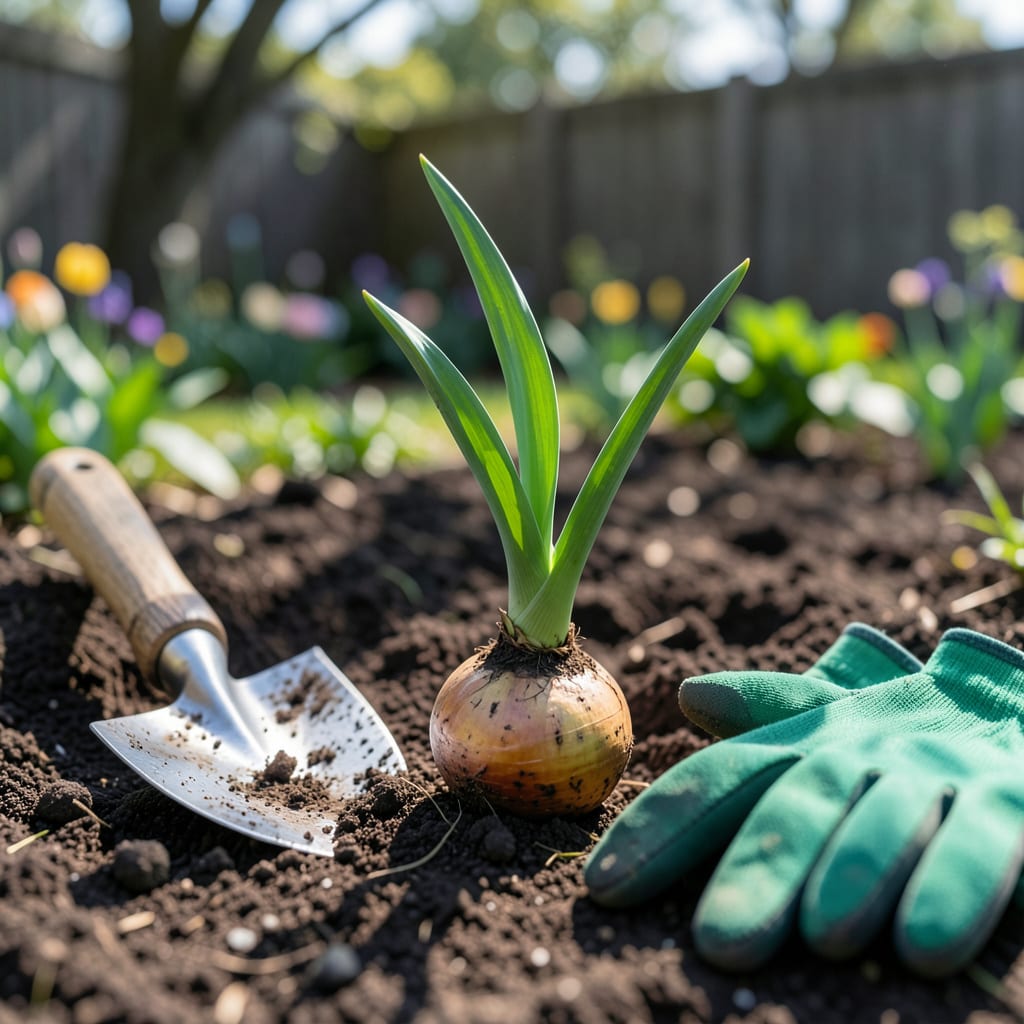
Georgia’s unpredictable weather can turn bulb planting into a guessing game—plant too soon, and summer heat might fry your 🌱 bulbs before they bloom. Wait too long, and you could miss the ideal window for those show-stopping spring displays.
After years of testing what works (and what doesn’t) in Georgia’s clay-heavy soil and mild winters, I’ve nailed down the exact timing for fall and spring bulbs. Whether you’re in Atlanta or Savannah, this guide cuts through the confusion so your garden bursts with color—right on schedule.
If you’ve ever wondered why your neighbor’s tulips bloom like clockwork while yours fizzle out, the secret is all in the timing. Georgia’s USDA Zones 7a–9a give us a long growing season, but bulbs need precise planting windows to thrive. Fall-planted bulbs like daffodils and hyacinths require a chill period to bloom, while summer beauties like dahlias and cannas can’t handle frost.
Here’s the kicker: North Georgia (Zone 7a) has frost dates that differ by 3–4 weeks from Coastal Georgia (Zone 9a). I’ll break down the ideal months for both regions, plus how to adjust for clay soil and unexpected late freezes or early heatwaves. Let’s dig in—literally! 🌱
| Bulb Type | Planting Window | Bloom Time | Chill Requirement | Georgia Zones |
|---|---|---|---|---|
| Tulips | Oct–Nov (North GA) Nov–Dec (South GA) |
Early Spring | 12–16 weeks below 40°F | 7a–9a |
| Daffodils | Sept–Oct (North GA) Oct–Nov (South GA) |
Late Winter | 8–12 weeks below 45°F | 7a–9a |
| Hyacinths | Oct–Nov (All GA) | Early Spring | 10–14 weeks below 40°F | 7a–8b |
| Crocus | Sept–Oct (All GA) | Late Winter | 8–10 weeks below 40°F | 7a–9a |
| Dahlias | April–May (After frost) | Summer–Fall | None (tender) | 7a–9a |
| Cannas | April–June | Summer–Fall | None (tender) | 8a–9a |
| Gladiolus | March–May (Succession plant) | Summer | None | 7a–9a |
Note: Chill hours are critical for spring bulbs. In Zone 9a, pre-chill tulips/daffodils in the fridge for 8–10 weeks before planting.
For spring-blooming bulbs, soil temperatures must drop below 60°F before planting. I use a soil thermometer to check—it’s a game-changer! In North Georgia, aim to plant by mid-November; South Georgia gardeners can push it to early December. Pro tip: If the ground isn’t frozen but feels like a cool, damp sponge, it’s perfect.
Summer-blooming bulbs like dahlias and cannas are the opposite—they hate cold soil. Wait until after your last frost date (typically April 1–15 in most of Georgia). I’ve lost count of how many gardeners jump the gun in March, only to watch their dahlias rot. Patience pays off with bigger blooms and healthier plants!
Georgia’s clay-heavy soil can be a bulb’s worst enemy. Before planting, I mix in 2–3 inches of compost and a handful of sand or perlite to improve drainage. Bulbs sitting in soggy soil = rot city. For extra insurance, plant bulbs on a slight mound to encourage water runoff. Trust me, your hyacinths will thank you.
Here’s a Georgia-specific hack: Our winters are mild, so mulch is non-negotiable. After planting fall bulbs, cover the area with 2–3 inches of pine straw or shredded leaves. This keeps soil temps steady and prevents premature sprouting during warm spells. Come spring, gently rake it back to let shoots emerge.
If you’re in Zone 9a (think Savannah or Brunswick), you might struggle with tulips—they often need more chill hours than our winters provide. My workaround? Buy pre-chilled bulbs or refrigerate them for 8–10 weeks before planting. Daffodils and Spanish bluebells are more forgiving and naturalize beautifully here.
For summer bulbs, don’t overlook succession planting. I plant gladiolus corms every 2 weeks from March through May for continuous blooms. The same goes for dahlias—start tubers indoors in late February for earlier flowers, or direct-sow in April for a later show. 🌼
Deer and squirrels are the bane of Georgia bulb gardens. To protect your investment, opt for deer-resistant varieties like alliums, fritillaria, or daffodils (they’re toxic to critters!). For tulips, I swear by chicken wire cages buried just below the soil surface—out of sight, out of mind, but 100% effective.
Finally, mark your calendar for post-bloom care. After spring bulbs fade, let the foliage yellow naturally—this feeds the bulb for next year. I tuck
Even seasoned Georgia gardeners can sabotage their bulb displays with simple oversights. I’ve seen perfectly healthy bulbs rot in soggy clay or tulips refuse to bloom because they didn’t get enough chill. Let’s tackle the top 5 mistakes I see most often—and how to fix them before they wreck your garden.
First up: planting depth. The old “3x the bulb’s height” rule isn’t just a suggestion—it’s critical. A shallow-planted daffodil might sprout early and get zapped by a late frost, while a too-deep hyacinth could exhaust itself before breaking soil. Grab a ruler if you must, but get this right! 🌱
Bulbs drown in compacted clay—our state’s most common garden killer. Before planting, amend beds with 3 inches of compost + 1 inch of sand to improve drainage. Test drainage by digging a 12″ hole, filling with water, and timing how long it takes to empty. More than 1 hour? Keep amending!
Mistake #2: Ignoring microclimates. Your front yard’s full-sun exposure might be perfect for crocus, but that shady north side could leave tulips leggy and weak. I use a sunlight tracker app to map my yard’s sun patterns before choosing bulb locations. Even a few hours’ difference can make or break blooms.
Here’s a Georgia-specific blunder: skipping the chill requirement for tulips and hyacinths. Our Zone 9a winters often don’t stay cold long enough. The fix? Pre-chill bulbs in the fridge for 8–10 weeks (in a paper bag, away from fruit!). No fridge space? Opt for low-chill varieties like ‘Lady Tulip’ or ‘Fosteriana’ tulips.
Over-mulching is another silent bulb killer. While 2–3 inches of mulch protects against temperature swings, piling it too high smothers emerging shoots. I use pine straw—it’s lightweight, allows airflow, and deters slugs. Pull it back slightly in early spring when you see green tips poking through.
Finally, the #1 rookie error: cutting back foliage too soon. Those ugly yellow leaves are feeding next year’s blooms! I wait until foliage is completely brown before trimming. Can’t stand the look? Plant bulbs behind late-emerging perennials like hostas or ferns to hide the dying leaves naturally. ✂️
Bonus pro tip: Label everything! Georgia’s mild winters mean bulbs can sprout at odd times. I use color-coded popsicle sticks (green for spring bloomers, red for summer) to avoid accidental digging. Last year, I nearly planted tomatoes right over my sleeping dahlias—lesson learned!
Not all bulbs are created equal when it comes to Georgia’s hot summers and mild winters. After testing dozens of varieties in my own garden, I’ve narrowed down the best performers for our unique climate. These picks thrive in our humidity, resist common pests, and deliver show-stopping blooms year after year.
For spring color, you can’t go wrong with daffodils—they’re deer-proof, drought-tolerant, and naturalize beautifully. My favorites? ‘Tête-à-Tête’ for early blooms and ‘Ice Follies’ for classic charm. Pair them with Spanish bluebells for a low-maintenance combo that spreads over time. 🌷
When summer heat rolls in, canna lilies and dahlias steal the show. I love ‘Tropicana’ cannas for their tropical vibes and ‘Café au Lait’ dahlias for dinner-plate-sized blooms. Both handle Georgia’s humidity like champs. For cut flowers, gladiolus is a must—plant corms every 2 weeks for nonstop color.
For fall interest, colchicum (autumn crocus) and sternbergia (yellow autumn daffodil) are underused gems. They bloom when most plants fade and thrive in our warm falls. Pair them with ornamental grasses for a low-water display that lasts until frost. 🌾
Don’t overlook native bulbs like rain lilies (Zephyranthes)—they pop up after summer rains and require zero fuss. For shady spots, caladiums add vibrant foliage all season. Both are deer-resistant and thrive in our clay soil with minimal amending.
Pro tip: Always buy bulbs from Southern suppliers when possible. I’ve had the best luck with local nurseries or online retailers that specialize in heat-tolerant varieties. Avoid big-box stores in spring—their bulbs often arrive dehydrated or past prime planting time.
In North Georgia, December is cutting it close for spring-blooming bulbs like tulips or daffodils. South Georgia gardeners (Zones 8b-9a) can still plant until early January if the ground isn’t frozen. For best results, aim for November or earlier next year.
Only if you’re in Zone 9a (coastal areas like Savannah). Tulips and hyacinths need 12-16 weeks below 40°F to bloom. Refrigerate them in a paper bag for 8-10 weeks before planting. Skip this step in colder zones like Atlanta.
Plant deer-resistant bulbs like daffodils or alliums—they’re toxic to critters. For tulips, bury chicken wire cages just below the soil surface. A thin layer of gravel over planted bulbs also deters digging. I’ve had 100% success with these methods!
Wait until after your last frost date (typically April 1-15 statewide). March soil is often too cold and wet, causing tubers to rot. Start dahlias indoors in late February for a head start, or plant directly in mid-April for best results.
Mix 2-3 inches of compost and 1 inch of sand/perlite into the top 6-8 inches of soil. Plant bulbs on a slight mound to improve drainage. Test by digging a hole and filling it with water—if it drains in under 1 hour, you’re good to go!
