
Beautiful Plants For Your Interior
Beautiful Plants For Your Interior
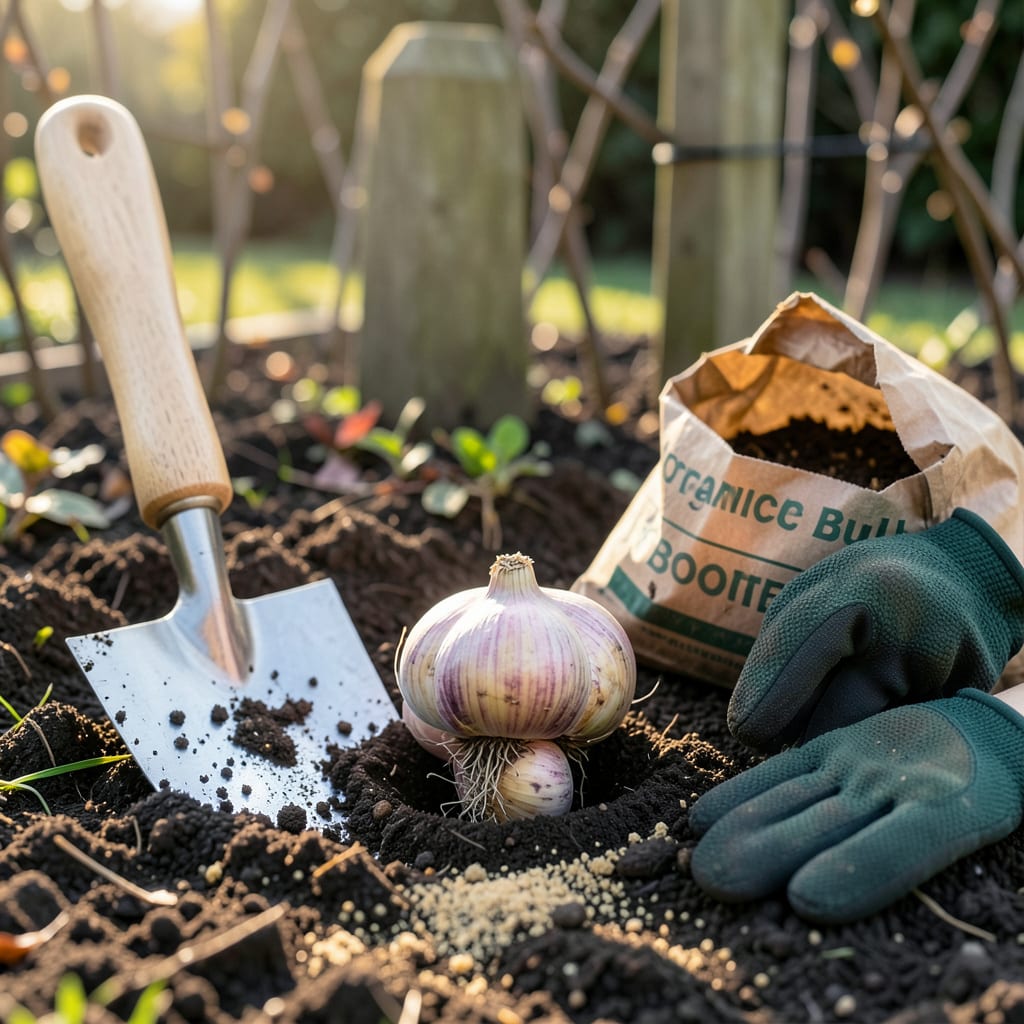
Imagine stepping into your garden next spring to find a vibrant carpet of tulips and daffodils—all because you planted 🌱 bulbs at just the right moment last fall. Timing isn’t just important; it’s the difference between a showstopping display and a season of disappointment.
I’ve seen gardeners make the same mistake year after year: waiting too long or planting too early, only to wonder why their bulbs never bloom. The secret? A simple 4-6 week window before the ground freezes—when roots establish but growth stays dormant. Let’s break down exactly how to nail it.
If you’ve ever wondered why your neighbor’s tulips and daffodils burst into bloom while yours stay dormant, the answer often lies in when—not how—you planted them. Fall bulb planting isn’t a one-size-fits-all task. Your USDA zone dictates everything, from soil temps to frost risks.
I always tell gardeners to think of bulbs like bear cubs prepping for hibernation. They need just enough time to root deeply before winter hits, but not so much that they sprout prematurely. For most regions, that means planting 6 weeks before your first hard frost. Let’s break it down by zone.
| USDA Zone | Planting Window | First Frost Date | Best Bulbs |
|---|---|---|---|
| Zones 3-4 | Mid-Sept to early Oct | Oct 1-15 | Tulips, crocuses, winter-hardy daffodils |
| Zones 5-6 | Late Sept to mid-Oct | Oct 15-30 | Hyacinths, alliums, early-blooming tulips |
| Zones 7-8 | Oct to early Nov | Nov 15-30 | Daffodils, paperwhite narcissus, snowdrops |
| Zones 9-10 | Late Nov to Dec | Dec 15-Jan 1 | Pre-chilled bulbs only (tulips, hyacinths) |
Pro Tip: Use a soil thermometer—plant when temps hit 60°F or below at 6″ depth.
If you’re in Zone 7 or warmer, you’ll need to pre-chill bulbs like tulips for 6-8 weeks in the fridge before planting. Skip this step, and you’ll likely end up with leafy growth but no flowers. I learned this the hard way after my first Texas spring yielded nothing but sad green stems!
For cold-climate gardeners (Zones 3-5), the biggest risk is planting too late. If bulbs don’t root before the ground freezes, they’ll either rot over winter or fail to bloom. Aim to finish planting by mid-October, and add a 2-3″ mulch layer for insulation.
What about early fall vs. late fall? Planting in early September (Zones 5-6) might seem safe, but warm soil can trick bulbs into sprouting prematurely. A light frost won’t kill them, but repeated freeze-thaw cycles will weaken the plants. I wait until nighttime temps stay below 50°F.
If you’re planting multiple bulb types, stagger your timeline. Crocuses and snowdrops can go in 1-2 weeks later than daffodils since they’re smaller and establish faster. For hyacinths and alliums, stick to the middle of your zone’s window—they’re less forgiving of timing mistakes.
Still unsure? Here’s my foolproof trick: Call your local cooperative extension and ask for the average first frost date. Count backward 6 weeks, and mark that as your planting deadline. Then watch your spring garden explode with color—because you gave those bulbs the perfect head start.
Remember, bulbs planted at the right time will reward you with bigger blooms, stronger stems, and longer-lasting flowers. It’s not just about getting them in the ground—it’s about giving them the ideal conditions to thrive while dormant. Now grab your trowel and let’s make next spring unforgettable! 🌷
Even experienced gardeners can sabotage their spring blooms by making simple but costly mistakes when planting fall bulbs. I’ve seen it all—from rotten tulips to sproutless daffodils—and the culprits are usually the same. Let’s tackle the top five pitfalls so your garden thrives next season.
The most common error? Planting too early when soil is still warm. Bulbs think it’s spring and start growing, only to get zapped by frost. Another classic blunder: burying them too shallow, which leaves them vulnerable to temperature swings. Both mistakes can mean no flowers come spring.
Fix it: Use a soil thermometer, add compost, and inspect bulbs before planting.
Let’s talk depth, because this trips up even seasoned gardeners. The golden rule? Plant bulbs 2-3 times deeper than their height. A 2-inch daffodil bulb needs a 4-6 inch hole. Too shallow, and frost heaves them to the surface; too deep, and they’ll exhaust themselves trying to sprout.
Drainage issues are another silent killer. Bulbs sitting in soggy soil over winter will rot before they bloom. If your soil is heavy clay, mix in coarse sand or grit before planting. For containers, ensure pots have drainage holes and use a well-draining potting mix with perlite.
Here’s a mistake I made my first year: skipping soil prep. I tossed bulbs into hard, compacted dirt and wondered why they flopped. Now I know better—loosen soil 12 inches deep and mix in compost or bone meal for root growth. This extra step pays off with stronger stems and brighter blooms.
Finally, never overlook bulb quality. A soft, moldy, or shriveled bulb won’t magically recover underground. Before planting, discard any with dark spots, mushy areas, or missing papery tunics. I like to soak bulbs in 1:10 bleach-water solution for 10 minutes to kill fungi—just rinse well afterward.
Avoid these mistakes, and you’ll set your bulbs up for explosive spring color. Remember, fall planting is about giving bulbs the right start—not just any start. Your future self (and your blooming garden) will thank you! 🌻
You’ve picked the perfect fall bulbs and marked your calendar for planting—but if your soil isn’t prepped properly, those bulbs might never reach their full potential. Think of soil prep as laying the foundation for a house: skip this step, and everything else suffers. Let’s dig into how to create the ideal home for your bulbs.
First, test your soil’s pH. Most bulbs thrive in neutral to slightly acidic soil (6.0-7.0). A simple $10 test kit from your garden center will save you headaches later. If your soil is too acidic, mix in lime; if it’s too alkaline, add sulfur or peat moss. I always test a week before planting to give amendments time to work.
Loosen soil 12-15 inches deep—bulbs need room to grow roots downward. Mix in 2-3 inches of compost or well-rotted manure for nutrients. For clay soil, add coarse sand or perlite to improve drainage. In sandy soil? Blend in coconut coir or peat moss to retain moisture.
Bonus: Sprinkle bone meal (1 tbsp per bulb) for phosphorus—it boosts root development!
If you’re dealing with heavy clay soil, don’t despair. I’ve gardened in gumbo-like clay, and the fix is simple: create raised beds or plant bulbs in mounds amended with compost. For containers, use a mix of 1/3 potting soil, 1/3 compost, and 1/3 perlite for perfect drainage. Bulbs in pots need extra care—ensure containers are at least 8 inches deep.
Fertilizing at planting time gives bulbs a nutrient reserve for spring. I recommend a low-nitrogen, high-phosphorus fertilizer (like 5-10-10 or 6-12-12). Avoid fresh manure—it’s too hot and can burn bulbs. Instead, use composted cow manure or worm castings. Scratch fertilizer into the soil below the bulbs so roots can access it immediately.
Finally, mark your planting spots with biodegradable flags or a garden map. Come spring, you’ll forget where those crocus or tulip bulbs are hiding! A light 2-inch mulch layer (straw or shredded leaves) protects bulbs from temperature swings and retains moisture. Just avoid thick mulch—it can smother emerging shoots.
With the right soil prep, your bulbs will establish strong roots over winter and reward you with vibrant, long-lasting blooms next spring. It’s worth the extra effort—your garden will thank you with a spectacular show! 🌿
Planting too early can trick bulbs into thinking it’s spring. Warm soil may cause premature sprouting, leaving tender shoots vulnerable to frost damage. Wait until soil temps drop below 60°F at planting depth.
Use a soil thermometer to check temps at 6-inch depth. Ideal planting time is when readings stay below 60°F consistently. Morning readings are most accurate.
Yes, but stagger planting times. Larger bulbs like tulips need more time to establish than smaller ones like crocuses. Plant daffodils first, then add crocuses 1-2 weeks later in the same area.
Layer chicken wire just below the soil surface when planting. You can also plant bulbs they dislike (like daffodils) around tastier varieties. A light sprinkle of red pepper flakes may help deter them.
Give them a thorough watering right after planting to help roots establish. After that, only water if your fall is unusually dry. Avoid overwatering—soggy soil can cause bulbs to rot over winter.
