
Beautiful Plants For Your Interior
Beautiful Plants For Your Interior
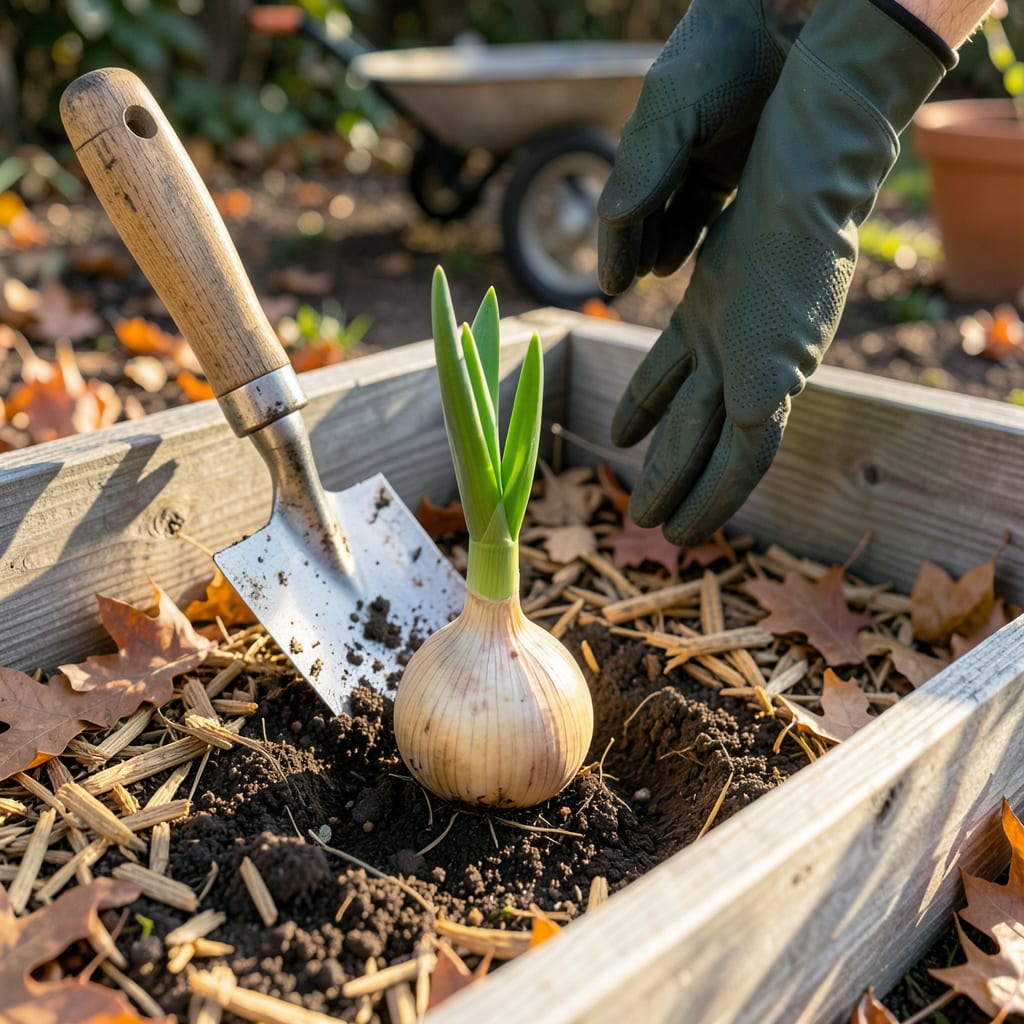
Timing your bulb planting in Colorado can feel like a high-stakes gamble—too early and frost might strike, too late and roots won’t establish. But here’s the good news: with the right schedule, you can outsmart our unpredictable climate and guarantee stunning blooms.
I’ve tested the best planting windows for everything from tulips to daffodils across Colorado’s zones, and I’ll show you exactly when to dig in. Whether you’re in Denver or the High Country, this guide ensures your bulbs thrive—not just survive. Let’s get it right the first time.
If you’ve ever wondered why your neighbor’s tulips burst into bloom while yours stay stubbornly underground, it’s likely all about timing. Colorado’s USDA zones 3–7 and wild elevation swings mean what works in Denver won’t fly in Aspen. The secret? Planting when the soil temperature hits that sweet spot—not too warm, not too cold.
For spring-blooming bulbs like daffodils and crocuses, aim for 6–8 weeks before the ground freezes. That’s typically September to early October along the Front Range, but mountain gardeners should wrap up by late September. Summer bloomers (think dahlias or gladiolas) go in after the last frost, usually May to early June.
| Bulb Type | Best Planting Months | USDA Zones | Key Tip |
|---|---|---|---|
| Tulips 🌷 | Sept–Oct | 3–7 | Plant 6″ deep in well-drained soil |
| Daffodils 🌼 | Sept–early Nov | 3–7 | Deer-resistant! Add bone meal at planting |
| Crocuses 🪻 | Aug–Sept | 3–6 | Early bloomers—plant 4″ deep in clusters |
| Dahlias 🌻 | May–June | 4–7 | Wait until soil hits 60°F—they hate cold! |
Note: Adjust for elevation—subtract 2 weeks for every 1,000 ft above 5,000 ft.
Here’s the golden rule: Spring-blooming bulbs need that fall chill to develop roots, while summer bloomers can’t handle frost. I’ve lost count of how many gardeners I’ve seen plant tulips in November—only to watch them rot over winter. Don’t be that gardener! Use a soil thermometer to hit the 50–60°F range for fall planting.
For high-altitude areas (zones 3–4), shift your timeline earlier. In Aspen or Vail, aim to finish planting by mid-September. Lower elevations like Grand Junction (zone 6–7) can push into early November for daffodils. Pro tip: Mark your calendar for Labor Day weekend—it’s my go-to planting time for most spring bulbs.
What about unpredictable frosts? Colorado’s famous for Indian summers followed by sudden freezes. If you’re planting in October and a cold snap hits, don’t panic. Mulch with 4–6 inches of straw to insulate. I’ve saved countless bulbs this way—just remove the mulch once temps stabilize.
Summer-blooming bulbs like cannas or gladiolas demand patience. Wait until after Mother’s Day in most zones, or risk losing them to a late frost. In Denver, I start dahlias around May 20th, but in Fort Collins (zone 5), I’d wait until June 1st. When in doubt, check your local frost dates—they’re your best friend.
Ever heard of the “6-week rule”? Count backward from your area’s average first frost date to find your ideal window. For example, Denver’s first frost is around October 15th, so I plant tulips by early September. This gives roots time to establish before the ground freezes solid.
Don’t forget soil prep! Colorado’s clay-heavy soil can suffocate bulbs. I amend my beds with compost and sand to improve drainage. A 1-inch layer of mulch after planting helps retain moisture and regulates soil temp. Trust me, your bulbs will thank you with bigger, brighter blooms come spring.
Still unsure? Grab a $10 soil thermometer—it’s the most reliable tool in my gardening kit. When the soil at 6 inches deep reads 55°F, it’s tulip time. For summer bulbs, wait until it hits 60°F. No more guessing games, just science-backed success.
Even with perfect timing, small errors can sabotage your Colorado bulb garden. I’ve seen healthy-looking bulbs fail to sprout because of preventable mistakes. The good news? Most issues stem from just five common pitfalls—fix these, and you’re 90% ahead of the game.
First up: planting depth. Too shallow, and bulbs freeze; too deep, and they exhaust themselves sprouting. In Colorado’s clay soil, I stick to the “3x rule”: plant bulbs three times deeper than their width. For tulips, that’s 6–8 inches deep—no exceptions.
💡 Pro Tip: Use a soil thermometer to confirm temps—don’t rely on calendar dates alone!
Next, let’s talk drainage disasters. Colorado’s native soil is notorious for holding water, which spells death for bulbs. I lost an entire bed of hyacinths my first year until I learned this trick: dig a 2-inch layer of gravel beneath bulbs in heavy clay areas. Pair that with raised beds if you’re in a low spot.
Deer and squirrels are Colorado’s sneakier saboteurs. Daffodils and alliums usually escape unscathed, but tulips? They’re basically deer candy. My solution: Plant bulbs near deer-resistant herbs like rosemary or lavender, or use chicken wire cages buried just below the surface. It’s ugly but effective.
Here’s a mistake I see every spring: removing foliage too soon. Those floppy green leaves might look messy, but they’re feeding next year’s blooms. Wait until leaves turn yellow and papery before cutting—usually 6–8 weeks after flowering. I tie mine with twine to keep things tidy while they finish photosynthesizing.
Finally, don’t overlook microclimates. Your backyard might have three different zones based on sun exposure and wind patterns. I use cheap soil thermometers in different spots to compare. A south-facing wall can be 10°F warmer than an open area—perfect for finicky dahlias but too warm for crocuses.
Ever planted bulbs that sprouted… then froze? That’s premature growth from a false spring. If warm weather tricks bulbs into emerging early, cover shoots with frost cloth or an overturned pot. I keep old blankets handy for surprise cold snaps—it’s saved my tulips more times than I can count.
Colorado’s wild climate swings demand tough-as-nails bulbs that laugh at late frosts and thrive in our dry air. After testing dozens of varieties, I’ve narrowed it down to the most reliable performers—sorted by bloom time so you can plan for nonstop color.
For early spring cheer, nothing beats crocuses and snowdrops. These cold warriors often push through snow, giving you February–March blooms when you need them most. I plant ‘Tricolor Crocus’ in clusters near my front walk—they’re deer-proof and multiply like crazy.
💡 Pro Tip: Pair early bloomers with late-emerging perennials to hide dying foliage!
If deer munching is your nemesis, daffodils and alliums are your best defense. I’ve watched herds bypass my ‘Tête-à-Tête’ daffodils to nibble tulips next door. For high-altitude gardens (above 7,000 ft), stick with species tulips like Tulipa turkestanica—they’re hardier and naturalize beautifully.
Summer stars like dahlias and gladiolas need extra TLC in Colorado. I pre-sprout dahlia tubers indoors in April, then plant after June 1st to avoid frost. For gladiolas, try ‘Atom’ or ‘Priscilla’—they’re shorter (less staking!) and handle our wind gusts better than tall varieties.
Don’t overlook fall-blooming bulbs like autumn crocuses or colchicum. These September–October bloomers extend your season when most gardens fade. I tuck ‘Waterlily’ colchicum under shrubs—they pop up just as leaves start turning, with no summer care needed.
For xeric gardens, rain lilies (Zephyranthes) and naked ladies (Amaryllis belladonna) are game-changers. They thrive on neglect, blooming after monsoons with zero supplemental water. Pair them with lavender for a drought-proof, pollinator-friendly combo that laughs at heatwaves.
Planting after the ground freezes prevents roots from establishing. Spring-blooming bulbs need 6–8 weeks of 50–60°F soil to develop. Late planting often means weak or no blooms next season. Use a soil thermometer to stay on track.
Subtract 2 weeks for every 1,000 ft above 5,000 ft. In Aspen (8,000 ft), plant by mid-September; Denver (5,280 ft) can wait until early October. Higher elevations have shorter growing seasons and earlier frosts.
Yes, but wait until after the last frost—typically May 20–June 1 in most zones. Dahlias and gladiolas hate cold soil. Pre-sprout tubers indoors in April for a head start. Soil should be 60°F+ at planting.
Mulch with 4–6 inches of straw after planting to insulate against sudden frosts. In spring, cover early sprouts with frost cloth or overturned pots during cold snaps. South-facing walls or raised beds help moderate soil temps.
Water once deeply after planting to settle soil, then rely on natural precipitation. Overwatering causes rot in clay-heavy soils. Add 1–2 inches of compost to retain moisture without soggy conditions.
