
Beautiful Plants For Your Interior
Beautiful Plants For Your Interior
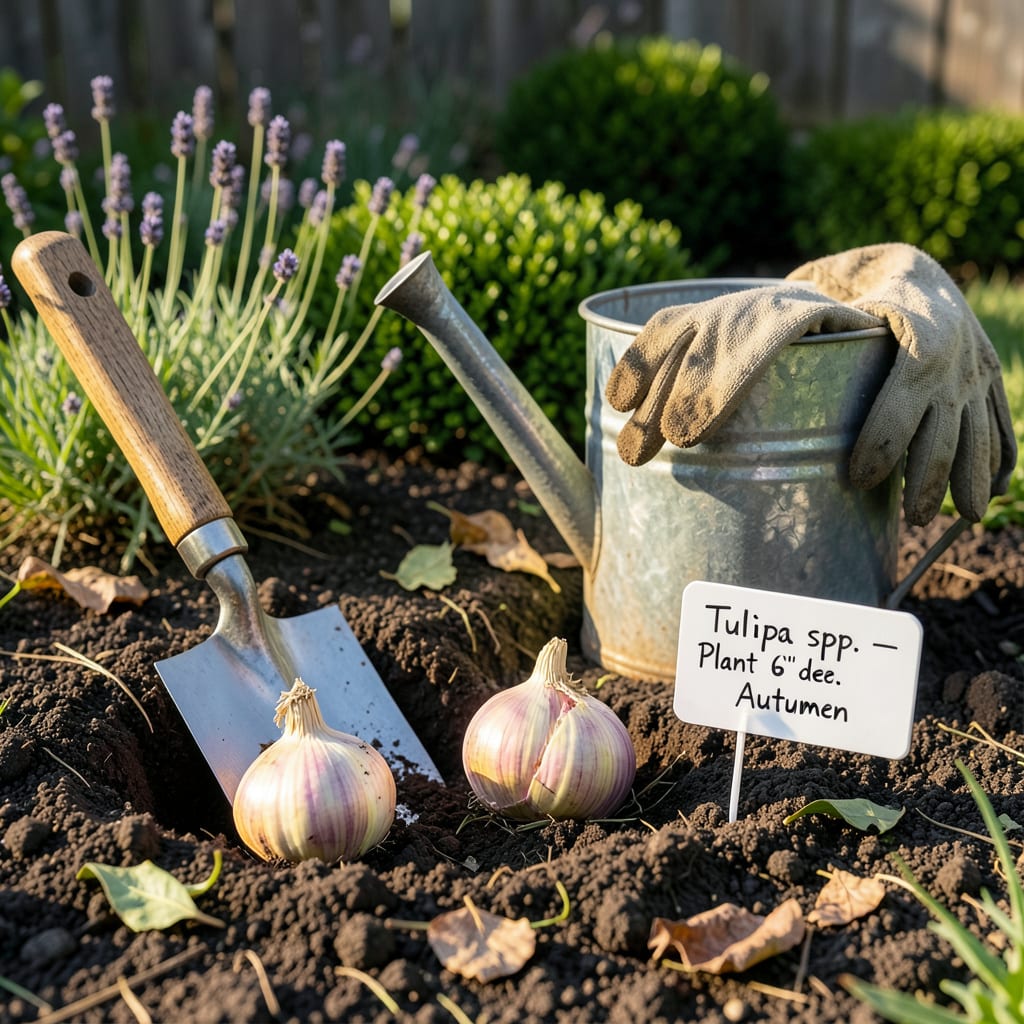
California’s gardens don’t follow a one-size-fits-all rule—especially when it comes to planting 🌱 bulbs. What thrives in foggy San Francisco might flop in Palm Springs’ heat, and timing is everything. Plant too early or late, and you’ll miss out on those vibrant blooms you’re dreaming of.
I’ve dug into the specifics for every corner of the state, from coastal chill to desert dryness. Whether you’re in Sacramento or San Diego, I’ll break down the exact months to get your bulbs in the ground for stunning, season-long color. Let’s make your garden the envy of the neighborhood.
If you’ve ever wondered why your neighbor’s tulips bloom like clockwork while yours fizzle out, it’s likely about timing and location. California’s climate zones range from foggy coasts to scorching deserts, and each demands a different approach. The key? Matching your bulb type to your microclimate.
For example, spring-blooming bulbs like daffodils need a winter chill to thrive, which means planting them in fall—but the exact month shifts dramatically between San Francisco and Palm Springs. Let’s break it down by region so you can plant with confidence.
| Region | Spring-Blooming Bulbs | Summer-Blooming Bulbs | Best Varieties |
|---|---|---|---|
| Northern CA (Coastal) San Francisco, Oakland |
Oct–Nov | Mar–Apr | Tulips, Hyacinths, Dutch Iris |
| Northern CA (Inland) Sacramento, Redding |
Sep–Oct | Apr–May | Daffodils, Alliums, Crocus |
| Southern CA (Coastal) LA, San Diego |
Nov–Dec | Feb–Mar | Paperwhites, Freesia, Ranunculus |
| Desert (Low Elevation) Palm Springs, Phoenix |
Dec–Jan | Sep–Oct | Amaryllis, Desert Hyacinth, Spider Lily |
| Mountains (High Elevation) Lake Tahoe, Big Bear |
Aug–Sep | May–Jun | Snowdrops, Winter Aconite, Grape Hyacinth |
Note: Adjust for microclimates—coastal fog delays warming, while inland valleys heat up faster.
In Northern California, the cooler winters mean you’ll plant spring-blooming bulbs like tulips and daffodils in September or October. These bulbs need 12–16 weeks of chill (below 40°F) to trigger blooms. If you’re in Sacramento, aim for early October to avoid summer-like heat in September.
Down in Southern California, the mild winters let you plant as late as November or December. But here’s the catch: many bulbs won’t get enough chill naturally. My trick? Pre-chill bulbs in the fridge for 6–8 weeks before planting. This mimics winter and ensures vibrant blooms in spring.
The desert regions are a whole different story. With scorching summers and mild winters, you’ll plant spring bulbs in December or January. For summer bloomers like dahlias, get them in the ground by September or October—they’ll establish roots before the heat hits. Mulch heavily to protect from temperature swings.
If you’re gardening in the mountains, your season is shorter. Plant spring bulbs by late August or early September to give roots time to grow before the ground freezes. I love snowdrops here—they’ll often push through snow for the first blooms of the year.
For summer-blooming bulbs like dahlias or gladiolas, timing depends on your last frost date. In coastal areas, you can plant as early as February or March. Inland, wait until April or May when soil temps hit 60°F. These bulbs hate cold soil, so patience pays off.
Don’t forget about watering—California’s dry summers mean bulbs need consistent moisture after planting, but drainage is critical. I mix compost into the soil and add a layer of mulch to retain moisture without waterlogging. In desert areas, drip irrigation works best to deliver water directly to the roots.
Finally, if you’re unsure about your exact planting window, here’s my foolproof test: Check soil temperature. For spring bulbs, aim for 50–60°F at planting depth (about 6 inches down). For summer bulbs, wait until soil hits 60°F or warmer. A simple soil thermometer takes the guesswork out of timing.
With these guidelines, you’ll have bulbs that not only survive but thrive in California’s diverse climates. Whether you’re in foggy San Francisco or sunny San Diego, the right timing makes all the difference for a show-stopping bloom season.
Even with perfect timing, a few common mistakes can sabotage your bulb garden. I’ve seen it happen too often—healthy-looking bulbs planted with high hopes, only to fizzle out by spring. The good news? These pitfalls are easy to avoid once you know what to watch for.
California’s unique climate adds extra challenges, from unpredictable winter rains to scorching summer heat. Whether you’re in foggy San Francisco or the dry desert, steering clear of these errors will set you up for success. Let’s dive into the top five blunders—and how to fix them.
Pro Tip: Label your bulbs when planting! It’s easy to forget what’s where by spring.
First up: planting depth. I can’t stress this enough—bulbs need the right depth to thrive. A good rule of thumb is to plant them two to three times deeper than the bulb’s height. For example, a 2-inch daffodil bulb should go 4–6 inches deep.
Plant too shallow, and your bulbs risk freezing in winter or drying out. Plant too deep, and they’ll struggle to sprout, leading to weak, leggy stems. If you’re unsure, check the packaging or err on the deeper side—it’s easier for bulbs to push through extra soil than to survive exposure.
Next, let’s talk about chill requirements. Many spring-blooming bulbs, like tulips and hyacinths, need a cold period to flower. In cooler parts of Northern California, nature handles this. But in Southern California or desert areas, you’ll need to pre-chill bulbs in your fridge.
Here’s how I do it: Place bulbs in a paper bag (never plastic—it traps moisture) and refrigerate for 6–8 weeks. Avoid storing them near fruit, as ethylene gas can damage the bulbs. Once chilled, plant them as usual. This simple step can mean the difference between vibrant blooms and a no-show spring.
Watering mistakes are another big issue. After planting, give your bulbs one deep watering to settle the soil. Then—here’s the key—stop watering until you see sprouts in spring. Overwatering, especially in California’s winter rains, leads to rot.
If you’re in a dry area, a light mulch can help retain moisture without waterlogging. In wet regions, consider planting bulbs on a slope or raised bed to improve drainage. Remember, bulbs store their own water—they’re more likely to drown than dry out in winter.
💧Not all bulbs are created equal—especially in California’s diverse climates. Choosing the right varieties for your region means the difference between thriving blooms and a disappointing garden. I’ve tested dozens of bulbs across the state, and these are my top picks for year-round color.
From drought-tolerant daffodils to heat-loving dahlias, I’ll break down the best bulbs for each season. Whether you’re in foggy San Francisco or sunny Palm Springs, these selections will give you vibrant, low-maintenance beauty with minimal fuss.
Pro Tip: Mix early, mid, and late bloomers for continuous color all season!
For winter blooms, you can’t beat paperwhites. These fragrant white flowers thrive in containers and don’t need chilling. In Southern California, plant them in November for December blooms—perfect for holiday cheer. Pair them with snowdrops for a delicate, early-season display.
When spring arrives, Dutch iris and ranunculus steal the show. Dutch iris are drought-tolerant and deer-resistant, making them ideal for Northern California. Ranunculus, with their layered, rose-like blooms, prefer cooler coastal areas. Both need well-draining soil and full sun for best results.
For summer drama, dahlias are my go-to. These bold, colorful blooms love heat and can grow 4–6 feet tall with proper care. Plant tubers in spring after frost, and stake tall varieties to prevent flopping. In desert areas, gladiolas are another great choice—they thrive in heat and add vertical interest.
Don’t overlook fall-blooming bulbs like autumn crocus and nerine. These unique flowers appear just as summer fades, extending your garden’s color into October and November. Plant them in late summer in a sunny spot, and they’ll reward you with unexpected late-season beauty.
🌷Yes, for most spring-blooming varieties like tulips and hyacinths. These bulbs require 12-16 weeks of chill (below 40°F) to bloom properly. In warm zones, place them in a paper bag in the fridge for 6-8 weeks before planting.
Containers are perfect for small spaces or poor soil. Use a well-draining potting mix and ensure containers have drainage holes. For tulips or daffodils, plant at the same depth as in-ground. Water lightly after planting and move containers to a sheltered spot during heavy rains.
Late planting can delay blooms or reduce flower quality. In Northern California, bulbs planted after November may not establish roots before winter. In Southern California, planting after December can mean smaller blooms. If you miss the window, pre-chill bulbs to compensate.
These pests love fresh bulbs! Try planting deer-resistant varieties like daffodils or alliums—they’re less appealing. For extra protection, lay chicken wire over the planting area and cover with soil. You can also use repellent sprays or plant bulbs in wire cages.
