
Beautiful Plants For Your Interior
Beautiful Plants For Your Interior
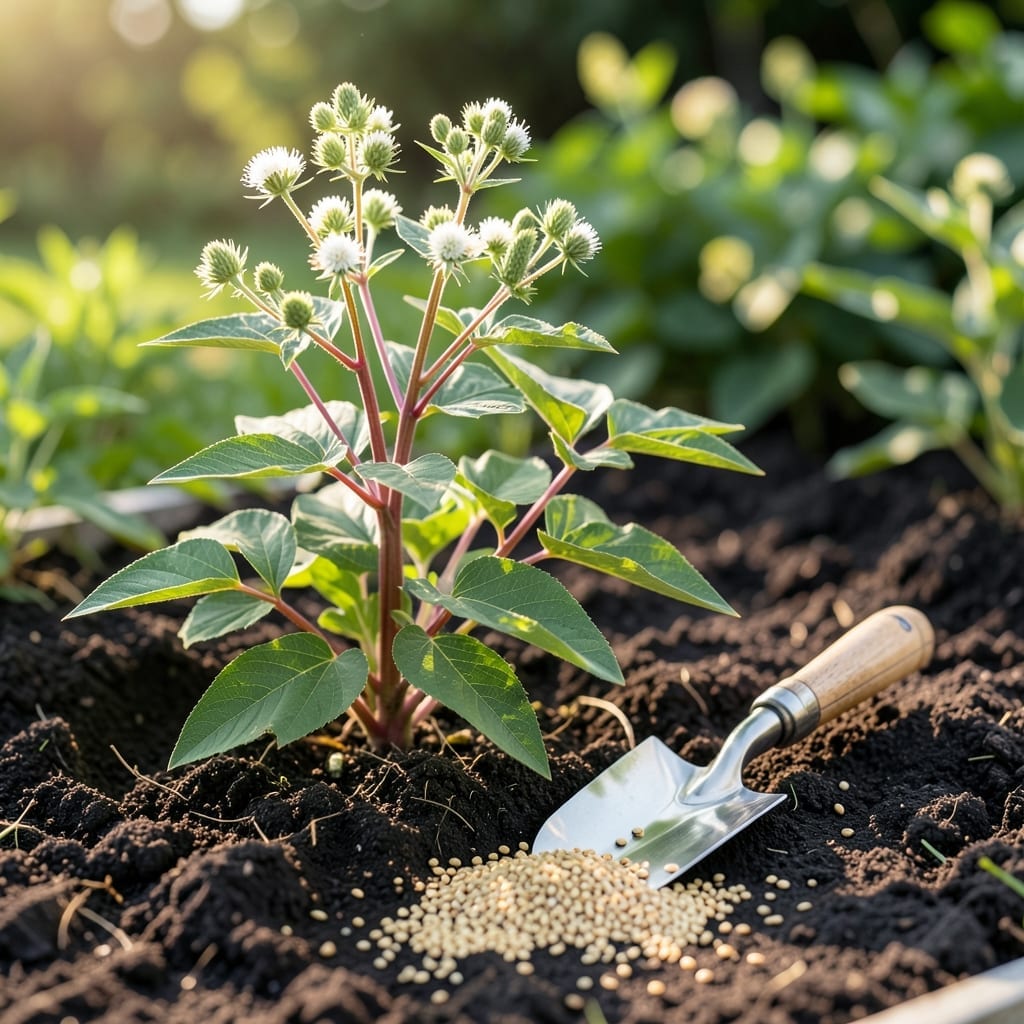
Timing is everything when growing 🌾 Buckwheat, a fast, versatile crop that rewards good planning. Get it right, and you’ll see a lush harvest in just months.
As a cover crop or grain source, Buckwheat thrives when planted at the optimal moment. Miss the window, and you risk stunted growth or poor yields.
Discover the seasonal sweet spot for planting in your zone and set yourself up for success from the start.
Planting 🌾 buckwheat at the right time ensures a strong start and maximum yield. This fast-growing crop thrives in warm soil and frost-free conditions.
In most regions, late spring to early summer is ideal. The soil temperature should be at least 50°F for best germination, with no risk of frost.
| Climate Zone | Planting Window | Key Consideration |
| Cool Climates | Late May – June | After last frost |
| Warm Climates | April – May | Early spring planting |
| Transitional Zones | April – June | Monitor soil temp |
For cool climates like the northern U.S., wait until late May or June when the soil has warmed. Buckwheat hates frost, so timing is critical.
In warm climates, such as the southern states, you can plant as early as April. The longer growing season allows for multiple harvests if managed well.
Transitional zones offer flexibility. I recommend planting between April and June, but always check your local soil temperature first.
Buckwheat matures in just 60-90 days, making it perfect for succession planting. If you miss the first window, a late summer planting can still work in many areas.
For cover crop use, plant buckwheat in early summer to suppress weeds and improve soil. It’s a great green manure option before fall plantings.
Always test soil temperature with a thermometer. If it’s consistently 50°F or warmer, you’re good to go. Colder soil can delay germination.
If you’re in a short-season area, prioritize early planting. Buckwheat grows quickly, but it needs warmth to thrive and set seed properly.
Preparing the right soil conditions is key for buckwheat success. This crop thrives in well-draining soil with a pH of 5.5-6.5, making it adaptable to many gardens.
I always start by testing soil pH and amending if needed. Buckwheat hates soggy roots, so ensure your site has good drainage to prevent waterlogging.
🌱 Pro Tip: Loosen soil to a 6-8 inch depth before planting. This helps roots establish quickly and improves water penetration.
Full sun exposure is non-negotiable for buckwheat. Aim for 6+ hours daily of direct sunlight to maximize growth and seed production.
If your soil is heavy clay, mix in compost or sand to improve texture. Buckwheat grows best in light, fertile soil but tolerates poorer conditions better than many crops.
Weed competition can stunt young plants. I recommend clearing the area thoroughly before sowing seeds. A light mulch after planting helps suppress new weeds.
For succession planting, prepare new beds every 3-4 weeks during the growing season. This ensures continuous harvests and maximizes your buckwheat yield.
Remember, buckwheat doesn’t need rich soil—it’s a low-maintenance crop that often thrives where others struggle. Just avoid waterlogged areas and extreme pH levels.