
Beautiful Plants For Your Interior
Beautiful Plants For Your Interior
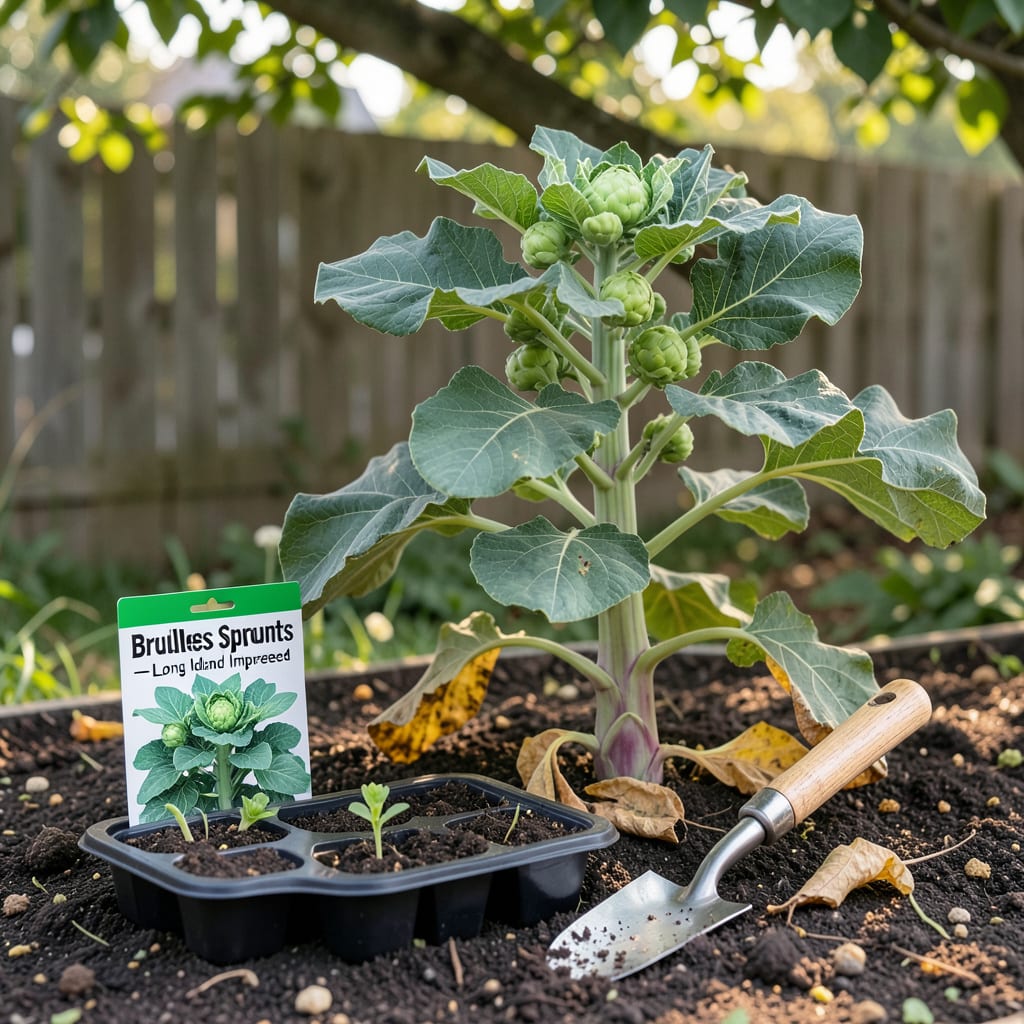
If you’ve ever ended up with sad, bitter Brussels sprouts instead of those sweet, crisp fall harvests you dreamed of, timing might be your downfall. Ohio’s fickle weather—swinging from scorching summers to early frosts—makes nailing the planting window the key to success.
I’ve seen gardeners in Zone 6a-6b struggle with sprouts that bolt too soon or never mature. But here’s the good news: with the right schedule (hint: think mid-July to early August), you can outsmart Ohio’s climate. Let’s break down exactly when to plant for a bounty of 🥬 come October.
If you’ve ever wondered why your Brussels sprouts fizzle out in Ohio’s summers, here’s the hard truth: they’re cool-weather divas. This crop thrives in 60–65°F soils, so timing your planting around Ohio’s first fall frost (typically October 10–25) is non-negotiable. Get it right, and you’ll harvest sweet, tight sprouts after a light frost kisses them.
Ohio’s USDA Zones 5–6 mean most gardeners should aim for a mid-July to early August planting window. But don’t just grab your trowel yet—your exact dates depend on whether you’re direct-sowing seeds or transplanting seedlings. Southern Ohio (Zone 6) can push planting to late July, while northern gardens (Zone 5) should lean earlier.
| Growing Zone | Seed Starting (Indoors) | Transplant Outdoors | Direct Sow Outdoors | Days to Maturity |
|---|---|---|---|---|
| Zone 5 (Northern OH) | Early June | July 1–15 | June 20–July 10 | 90–100 days |
| Zone 6 (Central/Southern OH) | Mid-June | July 15–30 | July 1–20 | 85–95 days |
| All Zones | 6–8 weeks before transplant | 90–100 days before first frost | 100–110 days before first frost | Harvest after light frost |
Pro Tip: Use the Old Farmer’s Almanac Frost Calculator to pinpoint your Ohio county’s exact frost dates.
For transplants, start seeds indoors 6–8 weeks before your target outdoor date. I use 72-cell trays with a seed-starting mix and keep soil temps at 65–70°F for germination. Harden off seedlings for 7–10 days before transplanting—they’ll thank you when Ohio’s finicky August weather hits.
Direct sowing works too, but I’ve found it’s riskier in Ohio’s clay-heavy soils. If you go this route, sow seeds ½ inch deep, 18–24 inches apart, and thin to 2 feet apart once true leaves appear. Mulch with straw or shredded leaves to retain moisture and regulate soil temp.
Here’s the secret sauce: Count backward from your first frost date. Brussels sprouts need 90–120 days to mature, so if your frost hits October 15, plant by July 15 for transplants or June 25 for direct sowing. Too late? Try a fast-maturing variety like ‘Oliver’ (85 days).
Ohio’s summer heatwaves can wreck Brussels sprouts, causing bitter, loose sprouts. If you must plant in late July, use 30% shade cloth during afternoon heat. I’ve saved many a crop by rigging up a temporary shade with PVC pipes and burlap—ugly but effective!
Don’t forget soil prep. Brussels sprouts crave pH 6.0–7.5 and rich, well-draining soil. Work in 2–3 inches of compost and a balanced fertilizer (10-10-10) at planting. In heavy clay? Add gypsum or sand to improve drainage—Ohio’s sticky soil is notorious for drowning roots.
For succession planting, stagger sowings every 2 weeks until early August. This spreads your harvest and hedges against early frosts. I like to pair Brussels sprouts with onions or garlic—their pungent scents deter cabbage worms, Ohio’s #1 sprout saboteur.
Finally, mark your calendar for harvest time: October through November. Brussels sprouts taste sweeter after a light frost, so don’t rush it. Start picking from the bottom of the stalk upward as sprouts reach 1–2 inches in diameter. And if Jack Frost nips at your plants? No worries—mature sprouts survive down to 20°F.
Still unsure? Grab a soil thermometer—when your garden reads 60°F at 4-inch depth, it’s go time. Or cheat and call your local OSU Extension office; they’ve got hyper-local data that beats any generic planting chart. Now go get those sprouts in the ground—your fall harvest depends on it! 🌱
Ohio gardeners, listen up: even with perfect timing, these three blunders can sabotage your Brussels sprouts. I’ve seen entire crops ruined by summer heat stress or poor soil prep. Let’s fix that before you plant your first seed.
First, never ignore Ohio’s clay-heavy soil. Brussels sprouts despise waterlogged roots, yet our native dirt holds moisture like a sponge. The fix? Amend beds with 3 inches of compost and 1 inch of sand to improve drainage. Skip this step, and you’ll battle root rot all season.
The second mistake? Miscounting days to maturity. Many Ohio gardeners plant too late, assuming “90 days” means harvest by October. But Brussels sprouts grow slowest in fall’s cooling temps. Add 10–14 extra days to the package estimate for our climate.
Here’s my rule: Subtract 100 days from your first frost date (October 15 for most of Ohio). That’s your last planting date. For Columbus, that’s July 5; Cleveland gardeners should aim for June 25. Miss this window, and you’ll harvest pea-sized sprouts.
Finally, don’t underestimate pest pressure. Ohio’s cabbage worms and aphids adore Brussels sprouts. I lost half a crop once by skipping row covers. Now, I drape floating row fabric over seedlings until plants reach 12 inches tall. For aphids, blast them off with water early in the day.
Bonus tip: Avoid high-nitrogen fertilizers after July. They’ll give you lush leaves but tiny, bitter sprouts. Switch to a low-nitrogen, high-phosphorus feed (like 5-10-10) in August to boost sprout formation. Trust me—your fall harvest will thank you.
Still nervous? Grab a $10 soil thermometer and wait until your garden reads 60°F at 4-inch depth in morning. That’s the golden number for Brussels sprout success in Ohio. Now go plant with confidence—your future self will high-five you come harvest time! 🌱
Not all Brussels sprouts are created equal—especially in Ohio’s rollercoaster climate. After testing a dozen varieties in my Zone 6b garden, I’ve narrowed it down to the top performers that laugh at Ohio’s early frosts and clay soil. The secret? Choosing cultivars with short maturity windows and cold tolerance.
Ohio’s short fall season means you need varieties that mature in 85–100 days. I’ve had the best luck with ‘Long Island Improved’ (90 days) for early plantings and ‘Churchill’ (100 days) for late-summer sowings. Both handle Ohio’s temperature swings like champs, from 80°F August days to 25°F November nights.
| Variety | Days to Maturity | Frost Tolerance | Flavor Profile | Ohio Adaptability | Pest Resistance |
|---|---|---|---|---|---|
| Long Island Improved | 90 days | ❄️❄️❄️ (to 20°F) | Sweet, nutty, tender | ⭐⭐⭐⭐⭐ (ideal for early July planting) | Moderate (watch for cabbage worms) |
| Churchill | 100 days | ❄️❄️❄️❄️ (to 15°F) | Mild, buttery, firm | ⭐⭐⭐⭐ (great for late July) | High (resists aphids) |
| Red Bull | 110 days | ❄️❄️❄️❄️❄️ (to 10°F) | Earthy, slightly peppery | ⭐⭐⭐ (best for southern OH) | Low (needs row covers) |
| Oliver | 85 days | ❄️❄️ (to 25°F) | Sweet, crisp, small sprouts | ⭐⭐⭐⭐ (perfect for late plantings) | Moderate (companion plant with thyme) |
🌱 Pro Tip: For Ohio’s clay soil, ‘Churchill’ and ‘Oliver’ outperform others thanks to their shallow root systems. Pair with gypsum at planting for best results.
If you’re in northern Ohio (Zone 5), stick with ‘Long Island Improved’ or ‘Oliver’—their quick maturity beats early frosts. Southern Ohioans can experiment with ‘Red Bull’ for its stunning purple sprouts and extended harvest window. Just be ready to cover plants if temps dip below 20°F.
For container gardeners, ‘Oliver’ is your best bet. Its compact 2-foot height thrives in 5-gallon buckets with drainage holes. Use a lightweight potting mix (60% peat/40% perlite) and fertilize every 3 weeks with a 5-10-10 blend. I’ve grown these on my Cleveland balcony with great success!
Watch for cabbage worms—Ohio’s #1 Brussels sprout pest. ‘Churchill’ has the best natural resistance, but I still spray Bt (Bacillus thuringiensis) every 10 days in August. For organic gardens, interplant with dill or mint to repel pests. And always remove yellowing leaves—they attract egg-laying moths.
Ready to plant? Grab your seeds and mark your calendar: July 1–15 for most of Ohio, adjusting a week earlier in the north or later in the south. With the right variety and timing, you’ll be harvesting sweet, crisp sprouts well into November—just in time for holiday meals! 🪴
Spring planting is risky in Ohio. Brussels sprouts planted in early spring often bolt (go to seed) when summer heat hits. For a fall harvest, stick to the mid-July to early August window. If you must try spring, choose a fast-maturing variety like ‘Oliver’ and harvest before 80°F temps arrive.
Use 30% shade cloth during afternoon heat waves, especially in late July. I’ve had success with DIY solutions like PVC hoops draped with burlap. Keep soil consistently moist—1–1.5 inches of water per week—and mulch with straw or shredded leaves to regulate soil temperature.
Stagger plantings every 2 weeks from early July through early August. This spreads your harvest window and guards against early frosts. Pair with cold-hardy varieties like ‘Churchill’ for late-season sprouts. Remove lower leaves as sprouts form to encourage upward growth and better air circulation.
Bitterness usually comes from heat stress or immature harvest. Wait until after the first light frost (sprouts sweeten with cold). If planted too late, summer heat can cause bitterness—use shade cloth and ensure consistent watering. Harvest when sprouts are 1–2 inches and firm to the touch.
Choose a 5-gallon container per plant with drainage holes. Use a lightweight potting mix (60% peat/40% perlite) and fertilize every 3 weeks with a 5-10-10 blend. ‘Oliver’ is ideal for containers—its compact 2-foot height thrives in small spaces. Place in full sun and monitor soil moisture daily.
