
Beautiful Plants For Your Interior
Beautiful Plants For Your Interior
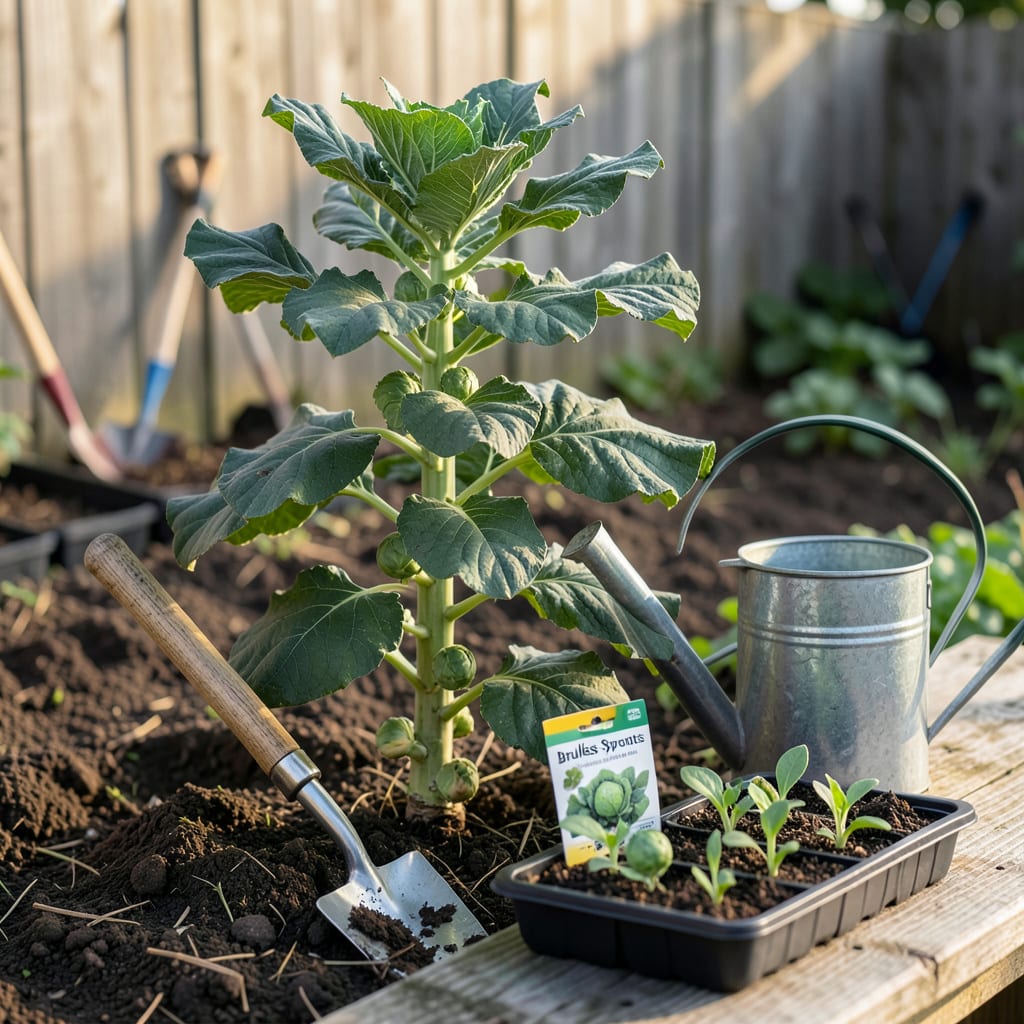
Timing can make or break your 🌱 Brussel sprout harvest in North Carolina. Plant too early, and late frosts might wipe out your seedlings. Wait too long, and summer’s scorching heat could turn your crop bitter before it even matures.
After years of testing what works in NC’s unpredictable climate, I’ve nailed down the perfect windows for both spring and fall plantings. Whether you’re in the mountains or along the coast, I’ll show you exactly when to get those seeds in the ground for sweet, plump sprouts come harvest time.
North Carolina’s diverse climate means your Brussels sprouts planting schedule will vary dramatically depending on where you live. The Coastal Plain enjoys milder winters and longer falls, while the Piedmont gets hotter summers and earlier frosts. Up in the Mountains, you’re dealing with shorter growing seasons and cooler nights.
I’ve broken down the ideal planting windows for each region, accounting for last frost dates, heat tolerance, and days to maturity. Remember, Brussels sprouts thrive in cool weather—aim for soil temps between 45-75°F for best results.
| Region | Spring Planting | Fall Planting | Last Frost | First Frost |
|---|---|---|---|---|
| Coastal Plain (Zones 8a-8b) | ||||
| Wilmingon, Elizabeth City | Feb 15 – Mar 15 | Aug 15 – Sep 15 | Mar 15 | Nov 15 |
| Piedmont (Zones 7a-7b) | ||||
| Raleigh, Charlotte | Mar 1 – Mar 30 | Aug 1 – Aug 30 | Apr 1 | Oct 30 |
| Mountains (Zones 5b-6b) | ||||
| Asheville, Boone | Apr 1 – Apr 30 | Jul 15 – Jul 30 | May 1 | Oct 1 |
*Start seeds indoors 6-8 weeks before transplanting dates shown
In the Coastal Plain, you can push your fall planting later thanks to the extended warm season. I’ve had great success planting as late as September 20 near Wilmington, but don’t risk it in the mountains where early frosts can sneak up on you.
For spring plantings, Piedmont gardeners need to be especially vigilant about timing. Plant too early and you risk frost damage; wait until May and your sprouts may struggle with the sudden heat. I recommend using row covers for early spring plantings to protect against unexpected cold snaps.
The Mountain region presents unique challenges. Your window is tighter, so I suggest starting seeds indoors by mid-February for spring planting. Fall plantings must go in by late July to mature before the first frost. Consider faster-maturing varieties like ‘Oliver’ (90 days) or ‘Churchill’ (85 days).
No matter your region, soil preparation is key. Brussels sprouts prefer slightly acidic soil (pH 6.0-6.8) rich in organic matter. Work in 2-3 inches of compost before planting and ensure good drainage to prevent root rot.
For the best flavor, aim for a fall harvest—cool nights enhance the sweetness of Brussels sprouts. In the Piedmont, I’ve noticed fall-planted sprouts develop tighter heads and fewer pest problems compared to spring plantings.
Watch your local 10-day forecast as your planting date approaches. If nighttime temps are consistently above 75°F, delay planting or provide afternoon shade. Heat stress causes loose, bitter sprouts.
Remember, these are general guidelines. Microclimates can shift your ideal dates by 1-2 weeks. Keep a garden journal to track what works best in your specific location year after year.
For the most accurate frost dates, consult the NC State Climate Office or your local Cooperative Extension. They provide hyper-local data that can fine-tune your planting schedule for maximum success.
Even with perfect timing, some common mistakes can sabotage your Brussels sprouts harvest. I’ve seen NC gardeners struggle with these issues year after year. The good news? They’re all preventable with a little know-how and planning.
One of the biggest errors is ignoring soil temperature. Brussels sprouts need cool soil (below 75°F) to thrive. Planting when the ground is too warm leads to bitter, loose sprouts that never fully develop.
Waiting until May often means sprouts mature in summer heat, causing bitter flavor and loose heads. Aim for April planting in most NC regions.
Brussels sprouts need pH 6.0-6.8. NC’s natural soil is often too acidic. Test and amend with lime if needed for optimal nutrient uptake.
Cabbage worms and aphids love Brussels sprouts. Use row covers immediately after planting to prevent infestations that can destroy your crop.
Space plants 18-24 inches apart for proper air circulation. Crowding leads to disease and stunted growth, especially in NC’s humid summers.
Inconsistent watering causes cracked sprouts and bitter flavor. Aim for 1-1.5 inches weekly, more during dry spells.
In the Piedmont region, I’ve found that fall plantings often outperform spring ones. The cooler nights enhance sweetness, and you avoid the cabbage loopers that peak in spring. Just be sure to plant by late August for October harvests.
Mountain gardeners face unique challenges with our shorter season. A common mistake is choosing slow-maturing varieties. Stick to ‘Long Island Improved’ (90 days) or ‘Prince Marvel’ (85 days) for reliable harvests before frost.
Don’t overlook successive planting for extended harvests. In the Coastal Plain, I stagger plantings every 2 weeks from mid-August to early September. This ensures a steady supply rather than one overwhelming harvest.
Remember that mulching makes a huge difference in NC’s climate. A 2-3 inch layer of straw or shredded leaves keeps soil cool, retains moisture, and suppresses weeds that compete with your sprouts.
For the best results, keep a garden journal tracking your planting dates, weather conditions, and harvest quality. Over time, you’ll develop a personalized schedule that accounts for your specific microclimate and growing conditions.
When in doubt, consult your local NC Cooperative Extension office. They offer free soil testing and can provide hyper-local advice tailored to your exact location in North Carolina.
When deciding between spring and fall planting in North Carolina, the choice isn’t just about timing—it affects flavor, yield, and pest pressure. After years of testing both seasons across NC’s diverse climate zones, I’ve found each approach has distinct advantages and challenges.
Fall planting generally produces sweeter, tighter sprouts because the cool nights enhance sugar development. Spring plantings often mature during warming temperatures, which can lead to looser heads and bitter flavors if not harvested promptly.
In the Piedmont region, I consistently get better results from fall plantings. The cooler temperatures create ideal conditions for Brussels sprouts to develop their signature sweet-nutty flavor. Spring plantings often require more babysitting to prevent bolting as temperatures climb.
For Coastal gardeners, both seasons can work well, but fall planting allows you to avoid the humidity-loving pests that plague spring crops. The extended warm season gives you more flexibility with planting dates—just watch for hurricanes that might bring unexpected heavy rains.
Mountain growers face the biggest challenge with fall plantings due to our early frosts. I recommend focusing on spring plantings here, using row covers to protect against late frosts and choosing fast-maturing varieties like ‘Prince Marvel’ that can beat the heat.
No matter which season you choose, soil preparation remains critical. Work in plenty of compost before planting and maintain consistent moisture. For fall plantings, I add a balanced fertilizer at planting time to support growth as days shorten.
Remember that successive planting can give you the best of both worlds. In the Piedmont, I plant a small spring crop for early harvests, then focus on a larger fall planting for our main crop. This strategy spreads out the harvest and reduces risk if one season underperforms.
For the sweetest sprouts, aim for a fall harvest after several light frosts. These cold snaps convert starches to sugars, dramatically improving flavor. Just be sure to harvest before hard freezes (below 25°F) which can damage the plants.
Begin seeds 6-8 weeks before your planned transplant date. For spring planting in the Piedmont, start indoors by mid-January. Fall plantings need seeds started by late June to be ready for August transplanting.
Yes, but timing is critical. Coastal gardeners can plant until mid-September, while Piedmont growers should finish by late August. Mountain regions need plants in the ground by late July to mature before frost.
Use row covers or frost blankets for spring plantings. For fall crops, have covers ready by mid-October in the Piedmont. In mountains, be prepared by early September. These can provide 4-6°F of protection.
For most regions, ‘Long Island Improved’ (90 days) and ‘Churchill’ (85 days) perform well. Mountain gardeners should choose faster varieties like ‘Prince Marvel’ (85 days) to beat early frosts.
Provide 1-1.5 inches weekly, increasing to daily watering during summer droughts. Morning watering is best to prevent evaporation. Use drip irrigation for consistent moisture without wetting foliage.
