
Beautiful Plants For Your Interior
Beautiful Plants For Your Interior
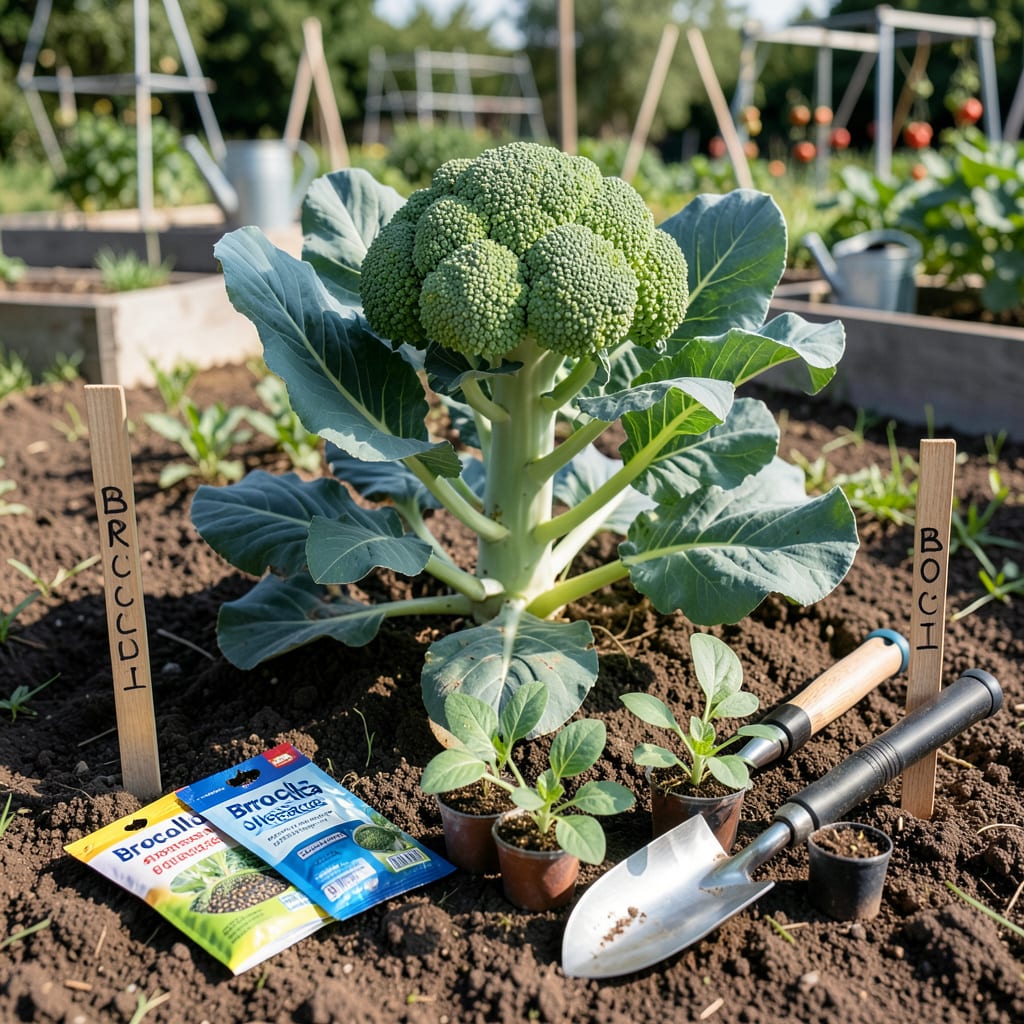
Virginia’s unpredictable weather can turn your broccoli dreams into a gardening nightmare—plant too soon, and frost zaps your seedlings; wait too long, and summer heat leaves you with bitter, bolting heads. Timing isn’t just important here—it’s everything.
After years of testing planting windows across Zone 7a, I’ve nailed down the best schedule for plump, sweet 🥦 broccoli—whether you’re in the humid Coastal Plain or the cooler Piedmont. Let’s cut through the guesswork and get your crop off to a perfect start.
Virginia’s diverse climate—from the humid Coastal Plain to the cooler Piedmont—means broccoli planting isn’t one-size-fits-all. The key is working backward from your last frost date (around April 15 for most of the state). I’ve found that spring planting thrives when started 4–6 weeks before that date.
For a fall harvest, aim to plant 8–10 weeks before the first frost (typically November 15). This gives heads time to mature in cooler weather, avoiding summer’s bitter bolting risk. Coastal gardeners can push dates slightly earlier, while mountain growers should delay by a week or two.
| Region | Spring Planting | Fall Planting | Key Notes |
|---|---|---|---|
| Coastal Plain (Zones 7b–8a) | Late Feb–March | Late Aug–Sept | Watch for cabbage worms in humidity |
| Piedmont (Zones 6b–7a) | March–Early April | Mid-Aug–Early Sept | Amend clay soil with compost |
| Mountains (Zones 5a–6b) | April–Early May | Late July–Aug | Use row covers for frost protection |
In urban areas like Richmond or Norfolk, heat islands can accelerate growth by 1–2 weeks. I recommend using a soil thermometer—broccoli seeds germinate best at 40–85°F, but seedlings struggle above 80°F. If your soil hits 70°F+, opt for shade cloth.
For succession planting, sow a new batch every 2–3 weeks until mid-May for spring, or through September for fall. This staggers harvests and prevents gluts. In my Zone 7a garden, I’ve had success with ‘Green Magic’ (heat-tolerant) and ‘Waltham 29’ (cold-hardy) varieties.
Don’t forget soil prep! Broccoli craves pH 6.0–7.0 and nitrogen-rich soil. Mix in 2–3 inches of compost and a balanced fertilizer (10-10-10) at planting. In Piedmont’s clay, add sand or perlite to improve drainage.
Watering is critical—aim for 1–2 inches per week, keeping soil consistently moist but not soggy. Drip irrigation works best to avoid wetting leaves, which invites fungal diseases in Virginia’s humidity. Mulch with straw or shredded leaves to retain moisture.
Watch for pests like cabbage worms and aphids. I swear by neem oil sprays and floating row covers—especially in coastal areas where pests thrive. Companion planting with dill or mint can also deter unwanted visitors.
If you’re growing in containers, choose pots at least 12 inches deep and use a well-draining potting mix. Broccoli needs room for roots, and containers dry out faster—check moisture daily in summer. I’ve had great luck with ‘De Cicco’ (a smaller variety) in pots.
Finally, harvest timing matters as much as planting. Cut heads when they’re firm and tight, before yellow flowers appear. In Virginia, this usually means June–July for spring crops and November–December for fall. Leave 4–6 inches of stem to encourage side shoots for a second harvest!
By tailoring your schedule to Virginia’s microclimates and avoiding common pitfalls, you’ll be rewarded with sweet, crisp broccoli that thrives where others fail. Now grab your seeds—it’s time to plant! 🌱
Even experienced gardeners can sabotage their broccoli crop with simple oversights. In Virginia’s finicky climate, timing and prep are everything. I’ve seen entire harvests ruined by ignoring soil pH or misjudging frost dates—don’t let that happen to you!
The biggest mistake? Planting too late in spring. Broccoli bolts fast when temps hit 80°F+, turning your heads bitter overnight. Coastal gardeners, I’m looking at you—your Zone 8a warmth demands earlier starts than the Piedmont. Let’s break down the top 5 pitfalls.
Another common error? Using stale seeds. Broccoli seeds lose viability after 2–3 years. Always check the pack date—old seeds mean spotty germination. I learned this the hard way after a 50% failure rate one season!
Don’t overlook spacing either. Crowded plants compete for nutrients, leading to small, weak heads. Give each plant 18–24 inches of room. In containers, stick to one plant per 12-inch pot to avoid root bound issues.
Virginia’s humidity also invites fungal diseases like downy mildew. Water at the base of plants (never overhead) and space rows for airflow. A drip irrigation system is worth the investment here—trust me, your broccoli will thank you.
Finally, harvest timing trips up many gardeners. Cut heads too late, and they’ll flower and turn bitter. I check my plants daily once heads form—when they’re firm and 6–8 inches wide, it’s go time. Use a sharp knife to avoid damaging the stem.
By dodging these mistakes, you’ll grow broccoli that’s sweet, crisp, and prolific. Now grab your calendar and seeds—let’s get planting! 🌱
Not all broccoli thrives in Virginia’s humid summers and chilly falls. After testing dozens of varieties in my Zone 7a garden, I’ve found the winners—cultivars that laugh at heatwaves or shrug off light frosts. The secret? Matching the variety to your planting window and microclimate.
For spring planting, I swear by ‘Green Magic’—it handles Virginia’s temperature swings like a champ, resisting bolting even when temps creep into the 80s. Fall gardeners, meet ‘Waltham 29’, a cold-hardy legend that keeps producing after light frosts. Let’s dig into the best picks and how to stretch your harvest.
To extend your harvest, master succession planting. In spring, I sow seeds every 2 weeks from late February through April. For fall, start in late July and repeat until early September. This staggers maturity, so you’re not drowning in broccoli all at once—or left with none!
Use row covers to push the season further. In early spring, they protect seedlings from late frosts; in fall, they shield plants from cabbage moths and extend growth by 2–3 weeks. I’ve kept broccoli alive until December in Zone 7a using floating row covers plus a thick mulch layer.
Companion planting boosts yields and deters pests. Pair broccoli with dill, mint, or celery to repel cabbage worms. Avoid planting near strawberries or tomatoes—they compete for nutrients. In my garden, marigolds around the perimeter cut aphid problems by 60% last season!
For container gardeners, stick to compact varieties like ‘De Cicco’ or ‘Munchkin’. Use pots at least 12 inches deep with drainage holes, and feed every 3 weeks with a balanced fertilizer (10-10-10). Containers dry out fast, so check moisture daily in summer—your broccoli will wilt dramatically if thirsty!
Spring planting targets harvests before summer heat, while fall planting avoids bolting. In Virginia, spring crops go in 4-6 weeks before last frost (around April 15), while fall crops need 8-10 weeks before first frost (typically November 15).
Choose compact varieties like ‘De Cicco’ and use pots at least 12 inches deep. Ensure 6+ hours of sun daily and water more frequently—containers dry out faster than garden beds.
Use floating row covers or cloches to shield young plants. In mountain regions, consider cold frames for extra protection. Remove covers during the day to prevent overheating when temps rise above 50°F.
Amend with 2-3 inches of compost and add perlite or sand to improve drainage. Raised beds are ideal for Piedmont gardeners. Test soil pH—broccoli thrives at 6.0-7.0, so adjust with lime or sulfur as needed.
Increase to every 2 days when temps exceed 85°F. Use drip irrigation to keep foliage dry and prevent fungal diseases. Mulch with straw or shredded leaves to retain moisture.
