
Beautiful Plants For Your Interior
Beautiful Plants For Your Interior
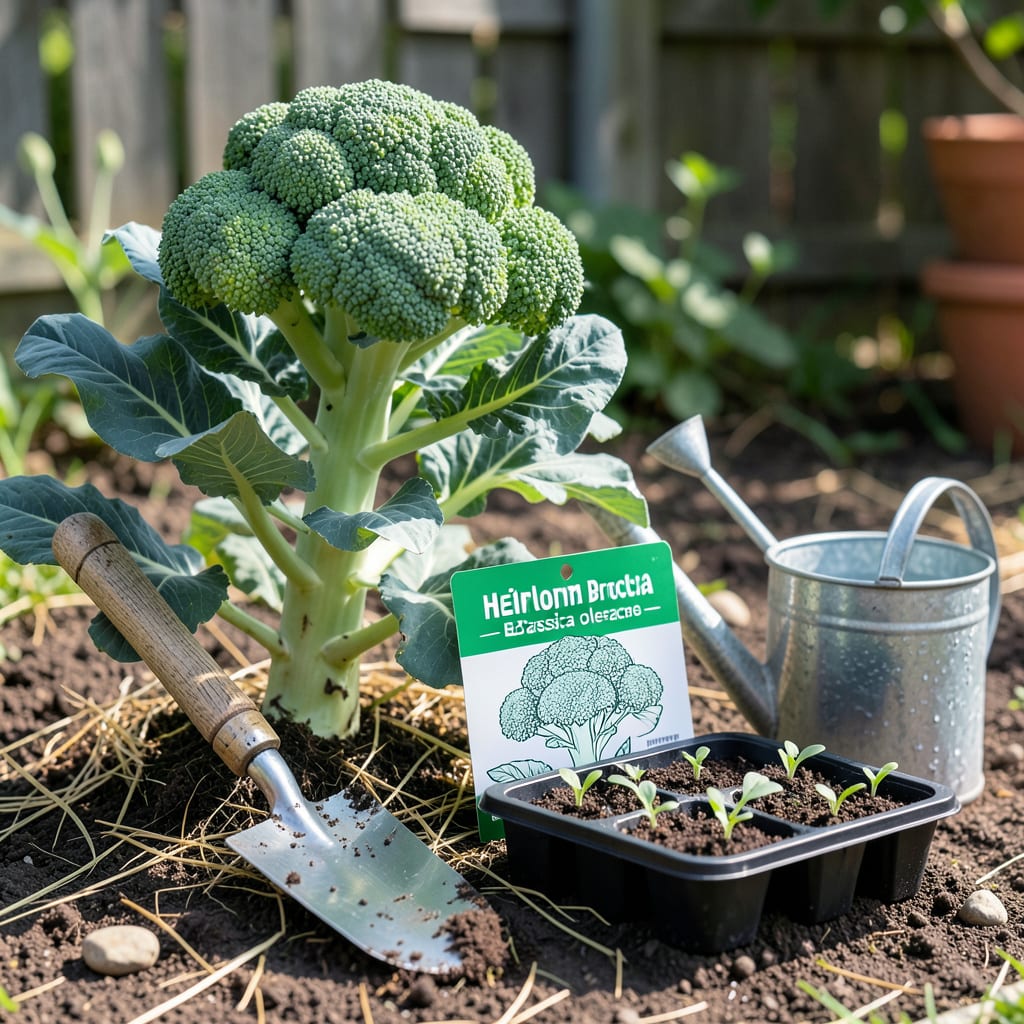
Timing isn’t just important when growing 🥦 broccoli in Texas—it’s everything. Plant too late, and the scorching summer heat will turn your crop bitter before it matures. Go too early, and an unexpected frost could wipe out your hard work overnight.
After years of testing and tweaking, I’ve nailed down the perfect windows for Texas gardeners—whether you’re in the Panhandle or the Gulf Coast. Stick with me, and I’ll show you exactly how to sync your planting with Texas’s unpredictable climate for bigger, sweeter harvests every time.
Texas isn’t just big—it’s climatically diverse, with planting windows that shift dramatically from the Panhandle to the Gulf Coast. In North Texas, you’re battling late frosts, while South Texas gardeners dodge early heatwaves. The key? Microclimate timing.
I’ve broken down the ideal months for each region, factoring in first/last frost dates, soil temps, and even urban heat islands. Whether you’re in Dallas, Austin, or Houston, this schedule ensures your 🥦 broccoli thrives—not just survives.
| Region | Spring Planting | Fall Planting | Key Considerations |
|---|---|---|---|
| North Texas (Zones 7-8) | Feb 15–Mar 15 | Sep 1–Oct 1 | Watch for late frosts; use row covers if needed. |
| Central Texas (Zone 8b) | Jan 30–Feb 28 | Aug 15–Sep 15 | Avoid March heat spikes; prioritize afternoon shade. |
| South Texas (Zones 9-10) | Jan 1–Jan 30 | Oct 15–Nov 15 | Heat-tolerant varieties only; mulch heavily to retain moisture. |
💡 Pro Tip: Soil temps should be 45–65°F for germination. Use a soil thermometer!
In North Texas, I’ve found that February 15–March 15 is the sweet spot for spring planting. The soil is warming, but you’re still safe from summer’s early arrival. For fall, aim for September 1–October 1—this gives plants time to mature before winter.
Central Texas gardeners get a slight head start. Here, January 30–February 28 works for spring, while August 15–September 15 is perfect for fall. The trick? Afternoon shade is non-negotiable once temps climb above 80°F.
Down in South Texas, you’re practically in a subtropical zone. Plant January 1–30 for spring and October 15–November 15 for fall. Heat-tolerant varieties like ‘Green Magic’ or ‘Arcadia’ are your best bet—regular broccoli will bolt fast.
Don’t forget soil prep! Broccoli craves well-draining, nutrient-rich soil with a pH of 6.0–7.0. Mix in 2–3 inches of compost before planting, and consider a balanced fertilizer (10-10-10) at planting time.
Watering is critical—especially in Texas. Aim for 1–1.5 inches per week, but adjust for drought. Drip irrigation is ideal to keep foliage dry and prevent disease. Mulch with straw or shredded leaves to retain moisture and regulate soil temp.
Watch for pests like cabbage loopers and aphids. I swear by neem oil sprays and floating row covers—they’re game-changers. And if you’re dealing with bolting (premature flowering), it’s usually a sign of heat stress or inconsistent watering.
Finally, succession planting can extend your harvest. In Central and South Texas, try sowing a new batch every 2–3 weeks during the fall window. This staggers your harvest and prevents gluts. Up north, stick to one planting per season—your window is tighter!
With these timings and tips, you’ll be harvesting tight, flavorful heads in 60–80 days. Just remember: Texas weather is unpredictable, so always have a backup plan (like shade cloth or frost blankets) ready to go! 🌱
Texas isn’t just one climate—it’s a patchwork of microclimates that can make or break your broccoli crop. Up in the Panhandle (Zone 7), you’re dealing with colder winters and earlier frosts. Down in the Gulf Coast (Zone 9-10), heat and humidity dominate. Central Texas? A mix of both!
Here’s the kicker: Broccoli thrives in cool soil (60–70°F) and bolts fast when temps climb above 80°F. That’s why I’ve broken down the ideal planting windows by region—so you don’t waste seeds or effort on poorly timed plantings.
| Region | Fall Planting | Spring Planting | Key Notes |
|---|---|---|---|
| North Texas (Zones 7-8) | Late August–Early September | Mid-February–Early March | Watch for late frosts in spring; use row covers if needed. |
| Central Texas (Zone 8b) | Early September–Mid-October | Late January–Mid-February | Heat-tolerant varieties like ‘Green Magic’ perform best here. |
| South Texas (Zones 9-10) | October–November | January–Early February | Avoid summer planting—heat stress is inevitable. |
If you’re in North Texas, your fall planting window is tighter—aim for late August to early September. The goal? Get plants established before the first frost (usually mid-November). For spring, mid-February to early March works, but keep row covers handy for late cold snaps.
Central Texas gardeners have more flexibility. I’ve had great success planting in early September for fall and late January for spring. The trick here is monitoring soil temperature—broccoli seeds germinate best at 45–85°F, but young plants struggle above 80°F.
Down south, where winters are mild, you can push fall plantings into October or November. Spring plantings should wrap up by early February to avoid the heat. Pro tip: Use shade cloth if unexpected warm spells hit—it buys you a few extra weeks of cool growth.
No matter where you are, succession planting is your friend. Sow a new batch every 2–3 weeks within your region’s window for a steady harvest. And always harden off seedlings before transplanting—Texas winds and temperature swings can shock tender plants.
Remember, these are general guidelines. Microclimates—like urban heat islands or hill country pockets—can shift your timeline. When in doubt, grab a soil thermometer and check that your beds are 60–70°F before planting. That’s your broccoli’s sweet spot.
Even with perfect timing, Texas gardeners can still sabotage their 🥦 broccoli crop with common mistakes. I’ve seen it all—from bolting heads to stunted plants—and most issues trace back to just five errors. Let’s fix them before they wreck your harvest.
The biggest offender? Ignoring soil temperature. Broccoli seeds need 45–65°F to germinate, but many Texans plant when the air feels “cool enough,” only to find their seeds rotting in warm soil. Always check with a thermometer!
⚠️ Texas Broccoli Killer #1: Heat Stress
Planting too late in spring or too early in fall exposes broccoli to temps above 80°F, triggering premature bolting. In South Texas, this can happen as early as March—so adjust your calendar!
Fix it: Use shade cloth (30–50%) and plant heat-tolerant varieties like ‘Green Magic’ or ‘Arcadia’.
Another classic mistake: Skipping soil prep. Broccoli demands nutrient-rich, well-draining soil with a pH of 6.0–7.0. Texas clay? You’ll need to amend it with 3–4 inches of compost and sand. Without this, plants struggle with stunted growth or poor head formation.
Overcrowding is mistake #3. I get it—tiny seedlings look sparse, so it’s tempting to cram them in. But broccoli needs 18–24 inches of space to develop full heads. Plant too close, and you’ll get small, loose florets instead of tight crowns. Thin seedlings to 12 inches apart early on.
Watering missteps round out the top five. Broccoli needs consistent moisture—about 1–1.5 inches per week—but Texas gardeners often swing between drought and flood. Drip irrigation is your best friend here, delivering water directly to roots while keeping foliage dry (which prevents fungal diseases like downy mildew).
Finally, don’t overlook pest prevention. Texas’s warm climate means cabbage worms, aphids, and loopers are always lurking. I never plant without setting up floating row covers at seeding time. For organic control, neem oil sprays (applied every 7–10 days) work wonders. Catch infestations early—once they’re visible, they’ve already done damage.
Here’s the kicker: These mistakes are 100% avoidable. Grab a soil thermometer, test your pH, and set calendar reminders for planting windows. With these fixes, you’ll sidestep the pitfalls that trip up most Texas broccoli growers—and harvest plump, sweet heads instead of bitter, bolting flops. ✅
Use floating row covers or lightweight frost blankets when temps dip below 32°F. For extra protection, add mulch around the base to insulate roots. Remove covers during the day to prevent overheating.
Summer planting is risky due to heat stress above 80°F. If attempting, choose heat-tolerant varieties like ‘Green Magic’ and use 50% shade cloth. Early morning watering is critical to keep soil cool.
Harvest when heads reach 4–6 inches in diameter with tight, dark green buds. If buds start turning yellow or loosening, it’s overmature. Cut stems at a 45° angle to encourage side shoots.
Planting too late in spring or too early in fall—both expose plants to heat stress. Always check soil temperature (45–65°F ideal) rather than just calendar dates. Skipping this step often leads to bolting.
Yes! Urban heat islands can shift your window by 2–3 weeks. In cities, start fall plantings slightly later and spring plantings earlier. Monitor local temps rather than relying solely on regional guidelines.
