
Beautiful Plants For Your Interior
Beautiful Plants For Your Interior
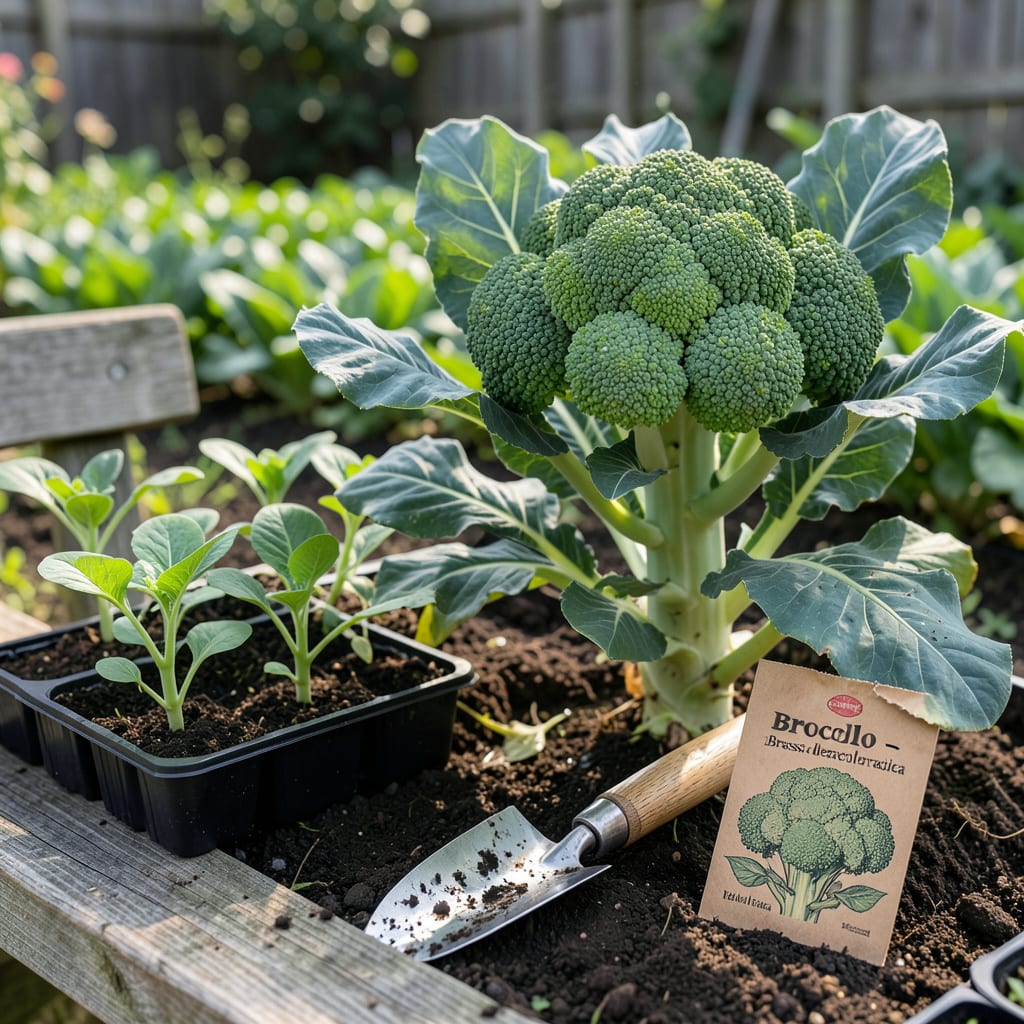
Ever planted 🥦 broccoli in Southern California only to watch it bolt before forming heads? You’re not alone—this cool-season crop demands precise timing in our mild but tricky Zone 10a climate. The difference between a bountiful harvest and a flop often comes down to just a few weeks.
I’ve tested planting windows from August through March, and the results might surprise you. Whether you’re gardening along the coast or in the Inland Empire’s microclimates, I’ll show you exactly when to sow for those tight, flavorful heads—without the guesswork. Let’s get it right this season.
If you’ve ever tried growing broccoli in Southern California, you know our mild winters and scorching summers demand precise timing. Unlike colder regions, we can grow broccoli almost year-round—but fall planting is the golden ticket for plump, sweet heads.
The secret? Avoiding summer heat (which triggers premature bolting) and leveraging our frost-free winters. Coastal gardeners have more flexibility, while inland areas like Riverside need to adjust for occasional light frosts in December or January.
| Season | Planting Window | Harvest Time | Key Notes |
|---|---|---|---|
| Late Summer | August–September | October–December | Best for fall harvest; avoid heat stress. |
| Fall | October–November | December–February | Ideal for winter crops; minimal pest pressure. |
| Winter | December–January | February–April | Slow growth but sweeter heads from cool temps. |
| Spring | February–March | April–May | Risk of bolting—harvest early! |
✅ Pro Tip: Coastal areas can plant 1–2 weeks later than inland valleys.
For fall planting, I start seeds indoors in late July or direct-sow in August once soil temps drop below 80°F. This gives plants time to mature before winter’s shorter days slow growth. Use a soil thermometer—it’s a game-changer!
Spring plantings are trickier. I’ve learned the hard way that March plantings often bolt before forming heads. Stick to early February for inland areas or late February near the coast. Watch for aphids and cabbage worms—they love tender spring growth.
Soil prep matters too. Broccoli thrives in well-draining soil with a pH of 6.0–7.0. I mix in 2–3 inches of compost and a handful of balanced fertilizer (10-10-10) before planting. Inland gardeners, add shade cloth if temps exceed 85°F.
Want bigger heads? Space plants 18–24 inches apart and water 1–1.5 inches weekly. Mulch with straw to keep roots cool. I’ve found ‘De Cicco’ and ‘Green Magic’ varieties perform best—they handle heat better than standard types.
Harvest when heads are tight and deep green, about 6–8 inches wide. Cut stems at a 45° angle to encourage side shoots for a second flush. Store harvested broccoli in the fridge for up to 5–7 days—but it’s best eaten fresh!
Remember, microclimates matter. San Diego’s coast stays cooler than the Inland Empire, so adjust timing by 2–3 weeks based on your zip code. Use the UC Master Gardener Program’s tool to check your exact frost dates if you’re unsure.
Finally, don’t forget succession planting! I sow a new batch every 3–4 weeks from August to February for a steady supply. Pair broccoli with onions or lettuce to deter pests naturally. Happy planting!
Southern California’s Zone 10 climate is a double-edged sword for broccoli. While we enjoy year-round growing, one wrong move can send your plants into a tailspin. After years of trial and error, I’ve pinpointed the three biggest mistakes that derail SoCal broccoli crops—and how to fix them.
The most common blunder? Planting in summer heat. Broccoli thrives in 60–70°F soil, but our August–September soil temps often exceed 80°F. This stresses seedlings, leading to weak roots or premature bolting. Always check soil temp with a thermometer before sowing.
💡 Quick Fix: Use shade cloth or plant near taller crops like sunflowers for natural shade.
Another silent killer is overwatering or inconsistent moisture. Broccoli needs 1–1.5 inches of water weekly, but soggy soil causes root rot. I use drip irrigation on a timer to keep moisture steady. Mulch with straw to retain water and cool roots—critical in our dry Santa Ana winds.
Timing transplants wrong is mistake #3. Many gardeners start seeds too late for fall or too early for spring. For fall crops, transplant 4–6-week-old seedlings in late August (coastal) or early September (inland). Spring transplants must go in by mid-February to beat the heat.
Don’t overlook pest prevention. Cabbage worms and aphids thrive in SoCal’s mild winters. I spray neem oil weekly and plant nasturtiums as a trap crop. Row covers work too, but remove them once flowers form to allow pollinators access.
Finally, crowding plants reduces air flow, inviting disease. Space transplants 18–24 inches apart and thin seedlings early. I’ve found ‘Green Magic’ and ‘De Cicco’ varieties handle SoCal’s challenges best—they’re bred for heat tolerance and quick maturity.
Remember, microclimates matter. Coastal gardeners (San Diego, LA) can push planting dates 2 weeks later than inland folks (Inland Empire, High Desert). When in doubt, use the UC Master Gardener’s planting calculator for your exact zip code. Avoid these pitfalls, and you’ll be harvesting tight, flavorful heads in no time! 🌱
Not all broccoli thrives in Southern California’s Zone 10 climate. After testing dozens of varieties, I’ve found the heat-tolerant champions that actually produce tight heads—even when temps creep into the 80s. The key? Choosing cultivars bred for quick maturity and bolting resistance.
My top pick for beginners is ‘Green Magic’. This hybrid matures in just 57 days and handles light frost (rare but possible in inland areas). It’s also disease-resistant, which is a lifesaver in our humid coastal winters. For organic gardeners, ‘De Cicco’ is a must—its smaller heads and side-shoot production mean extended harvests.
| Variety | Days to Harvest | Heat Tolerance | Best For |
|---|---|---|---|
| Green Magic | 57 days | High | Beginner-friendly, disease-resistant |
| De Cicco | 48–65 days | Medium-High | Side shoots, organic gardens |
| Waltham 29 | 60–85 days | Medium | Cold-hardy, winter planting |
| Belstar | 65 days | High | Uniform heads, container-friendly |
💡 Pro Tip: For spring plantings, choose ‘Green Magic’ or ‘Belstar’—they resist bolting better than heirlooms.
For winter planting, I swear by ‘Waltham 29’. Its cold tolerance makes it perfect for December–January sowings. The heads are larger (up to 8 inches), and it stores well in the fridge. If you’re short on space, ‘Belstar’ stays compact and thrives in containers—just ensure pots are at least 12 inches deep.
Heirloom lovers, don’t overlook ‘Calabrese’. While it needs cooler temps (below 75°F), its rich flavor is worth the extra care. Plant it in fall only, and use shade cloth if late-season heat waves hit. For spring success, stick to hybrids—they’re bred to handle SoCal’s temperature swings.
Remember, seed quality matters. I buy from local nurseries like Roger’s Gardens (Orange County) or Armstrong Garden Centers, which stock varieties tested in our climate. Avoid generic seeds—they’re often bred for cooler zones and bolt faster here. Pair your chosen variety with companion plants like celery or beets to deter pests naturally.
Lastly, don’t forget succession planting! I stagger sowings of ‘De Cicco’ every 3 weeks from August to February. This ensures a steady harvest without gluts. Rotate crops yearly to prevent soil-borne diseases—broccoli shouldn’t follow other brassicas (like cabbage or kale) in the same spot. 🌱
Technically yes, but fall and winter are ideal. Spring plantings often bolt prematurely due to rising temps. Stick to August–March for best results, avoiding peak summer heat.
Plant by early February and choose bolt-resistant varieties like ‘Green Magic’. Use shade cloth if temps exceed 80°F, and harvest heads promptly when tight.
‘Green Magic’ is foolproof—it matures in 57 days, resists disease, and handles mild frosts. For organic gardens, try ‘De Cicco’ for extended side-shoot harvests.
Space transplants 18–24 inches apart in rows 3 feet apart. Crowding reduces airflow, increasing pest/disease risk. Use wider spacing for larger heads.
