
Beautiful Plants For Your Interior
Beautiful Plants For Your Interior
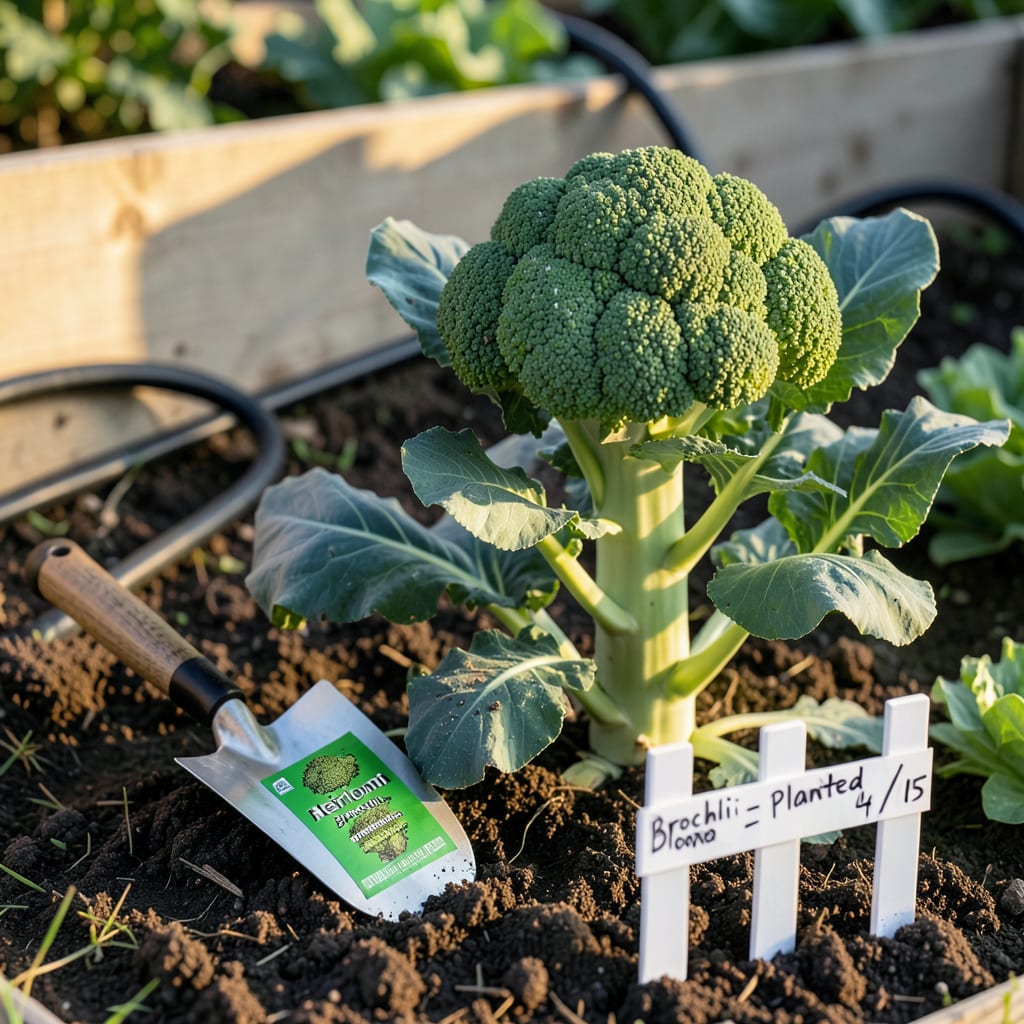
Timing can make or break your broccoli harvest in South Carolina. Plant too early, and frost might wipe out your seedlings. Wait too long, and the summer heat will send your 🥦 straight to seed before you get a single floret.
After years of testing what works in our Zone 7b climate, I’ve nailed down the perfect windows for both spring and fall crops. Whether you’re in Charleston or Columbia, I’ll show you exactly when to plant for those tight, flavorful heads we all love.
South Carolina’s diverse climate means what works in Charleston’s coastal zone won’t always fly in the Upstate’s cooler hills. I’ve broken down the ideal windows by region, factoring in last frost dates, soil temps, and those sneaky microclimates that can throw off even seasoned gardeners.
The key is soil temperature—broccoli thrives when it’s 40-70°F. Too cold, and seeds rot. Too hot, and you’ll get leggy plants that bolt before forming heads. Let’s dig into the specifics for your corner of SC.
| Region | Spring Planting | Fall Planting | Last Frost Date | First Frost Date |
|---|---|---|---|---|
| Coastal (Zone 8-9) | Jan 15 – Feb 15 | Sep 15 – Oct 15 | Feb 10 | Dec 1 |
| Piedmont (Zone 7b-8a) | Feb 15 – Mar 15 | Aug 15 – Sep 15 | Mar 15 | Nov 15 |
| Upstate (Zone 7a) | Mar 1 – Mar 30 | Aug 1 – Sep 1 | Apr 1 | Oct 15 |
Pro Tip: Coastal gardeners can sneak in a winter crop (Dec-Jan) with row covers. Upstate folks should avoid planting after September 1—early frosts are unpredictable!
In the Coastal region, you’ve got the longest growing season, but watch for humidity-related fungi. I recommend starting seeds indoors in late December for a January transplant. Use shade cloth if temps creep above 75°F to prevent bolting.
The Piedmont’s clay-heavy soil warms slower, so don’t rush planting. A soil thermometer is your best friend here—wait until temps hit 45°F at 4″ depth. Fall plantings often outperform spring ones in this zone thanks to milder autumns.
Upstate gardeners face the shortest window, but you can extend the season with cold frames. Varieties like ‘Packman’ (58 days) or ‘De Cicco’ (48 days) mature fast enough to beat early frosts. Always harden off seedlings for 7-10 days before transplanting.
For fall plantings statewide, timing is trickier. Count backward from your first frost date—broccoli needs 70-85 days to mature. I aim to transplant by early September in Columbia, using transplants (not seeds) to save time.
Don’t forget succession planting! In the Coastal and Piedmont regions, I stagger plantings every 2 weeks through February for a continuous harvest. Use floating row covers to protect young plants from cabbage worms and unexpected cold snaps.
Soil prep matters too. Broccoli craves pH 6.0-7.0 and rich organic matter. I mix in 2-3 inches of compost and a balanced fertilizer (10-10-10) at planting. Mulch with straw to keep roots cool and moist.
Watch for bolting signals: yellowing lower leaves, thinning stems, or tiny flower buds forming. If temps hit 80°F+, provide afternoon shade and extra water (1-2 inches weekly). In fall, reduce water as temps drop to avoid rot.
Finally, variety selection can make or break your harvest. For SC’s heat, I swear by ‘Green Magic’ (heat-tolerant) and ‘Belstar’ (disease-resistant). Coastal gardeners might try ‘Waltham 29’ for winter crops—it handles cold like a champ.
Remember, broccoli is a cool-season crop, but with SC’s mild winters, you’ve got options. Track your local microclimate, keep notes each year, and adjust. That’s how I’ve stretched my harvest from October through May in Zone 7b! 🌱
South Carolina’s long growing season gives us a unique advantage with broccoli—if you play your cards right. The secret isn’t just planting once; it’s about strategic timing and smart techniques to squeeze every last head from your plants before the heat sets in.
I’ve found that succession planting and variety selection can stretch your harvest by 4-6 weeks. Even in our humid summers, the right approach lets you enjoy fresh broccoli well beyond the typical spring window. Here’s how I do it in my Zone 7b garden.
Pro Tip: Combine #2 and #3 for best results—shade cloth over heat-tolerant varieties buys you 2 extra weeks in spring!
For spring extensions, I focus on soil cooling. A thick mulch (3-4 inches of straw) keeps roots 10°F cooler. Pair this with drip irrigation to avoid wetting leaves, which invites fungal diseases in our humid climate.
The fall window is where SC gardeners really shine. While Northern gardeners are wrapping up, we’re just getting started. I transplant my fall broccoli by September 1 in the Piedmont, using transplants (not seeds) to beat the clock. Varieties like ‘Waltham 29’ handle our mild winters beautifully.
Don’t overlook side dressings to fuel longer production. I apply a nitrogen boost (blood meal or fish emulsion) 3 weeks after transplanting, then again when heads start forming. This keeps plants productive through multiple flushes of side shoots.
Watch for pest pressure in extended seasons. Cabbage worms love our long falls! I use floating row covers immediately after transplanting, then switch to Bt spray (Bacillus thuringiensis) once heads form. Handpick any eggs you spot on leaf undersides.
Finally, harvest smart to encourage regrowth. Cut the main head at a 45° angle, leaving 6-8 inches of stem. Most varieties will produce 2-3 side shoots over the next month if you keep soil moist and shaded. I’ve gotten 6+ weeks of additional harvests using this method!
With these tricks, I routinely harvest broccoli from April through June in spring and November through January in fall/winter. The key is staying one step ahead of SC’s temperature swings—cool the soil in spring, warm it in fall, and choose varieties bred for our climate. 🌱
Even experienced gardeners in South Carolina can trip up when growing broccoli. I’ve seen perfectly good crops ruined by simple oversights—like planting at the wrong time or ignoring our humid climate’s quirks. Let’s tackle the most common pitfalls so you can avoid them.
The biggest mistake? Misjudging frost dates. SC’s zones vary widely—what works in Charleston (Zone 9) won’t fly in Greenville (Zone 7a). I’ve lost count of how many gardeners plant too early in the Upstate, only to watch seedlings freeze. Always check your local frost dates!
Another biggie: wrong variety selection. Not all broccoli handles SC’s heat. I’ve seen gardeners swear by ‘Calabrese’—only to watch it bolt in April. Stick with heat-tolerant types like ‘Green Magic’ or ‘Belstar’ for spring. For fall, ‘Waltham 29’ laughs at light frosts.
Soil prep neglect is a silent killer. Our native soils often lack organic matter. I mix in 2-3 inches of compost and a balanced fertilizer (10-10-10) before planting. Without this, plants struggle to form tight heads. Test your soil—it’s cheaper than wasted seeds!
Don’t forget hardening off transplants. I’ve ruined more than one tray of seedlings by skipping this step. SC’s spring sun can scorch tender leaves. Acclimate plants for 7-10 days by gradually increasing sun exposure. Start with 2 hours/day, then add an hour daily.
Finally, harvest timing trips up many gardeners. Wait too long, and heads turn bitter or flower. I harvest when heads are tight and dark green, about 4-6 inches wide. Cut stems at a 45° angle to encourage side shoots for a second harvest. 🌱
In most of SC, stop planting by March 15 to avoid bolting. Coastal gardeners (Zone 9) can push to March 30, but use shade cloth if temps hit 75°F+.
Not reliably—broccoli struggles above 80°F. For summer harvests, try heat-tolerant varieties like ‘Green Magic’ with 50% shade cloth and extra mulch. Success rates drop sharply after May.
Use floating row covers (1 oz fabric) when temps dip below 32°F. In the Upstate, plant by August 1 and choose cold-hardy varieties like ‘Waltham 29’. Coastal gardeners often skip covers entirely.
Purple tinges come from cold snaps (below 40°F) or phosphorus deficiency. Test your soil—if pH is off (6.0-7.0 ideal), amend with bone meal. The color fades when cooked and doesn’t affect flavor.
For spring, start seeds indoors 6-8 weeks before last frost (early January in Piedmont). Fall crops do better as direct-sown seeds (late August) or transplants started in late July. Transplants mature faster in our short fall window.
