
Beautiful Plants For Your Interior
Beautiful Plants For Your Interior
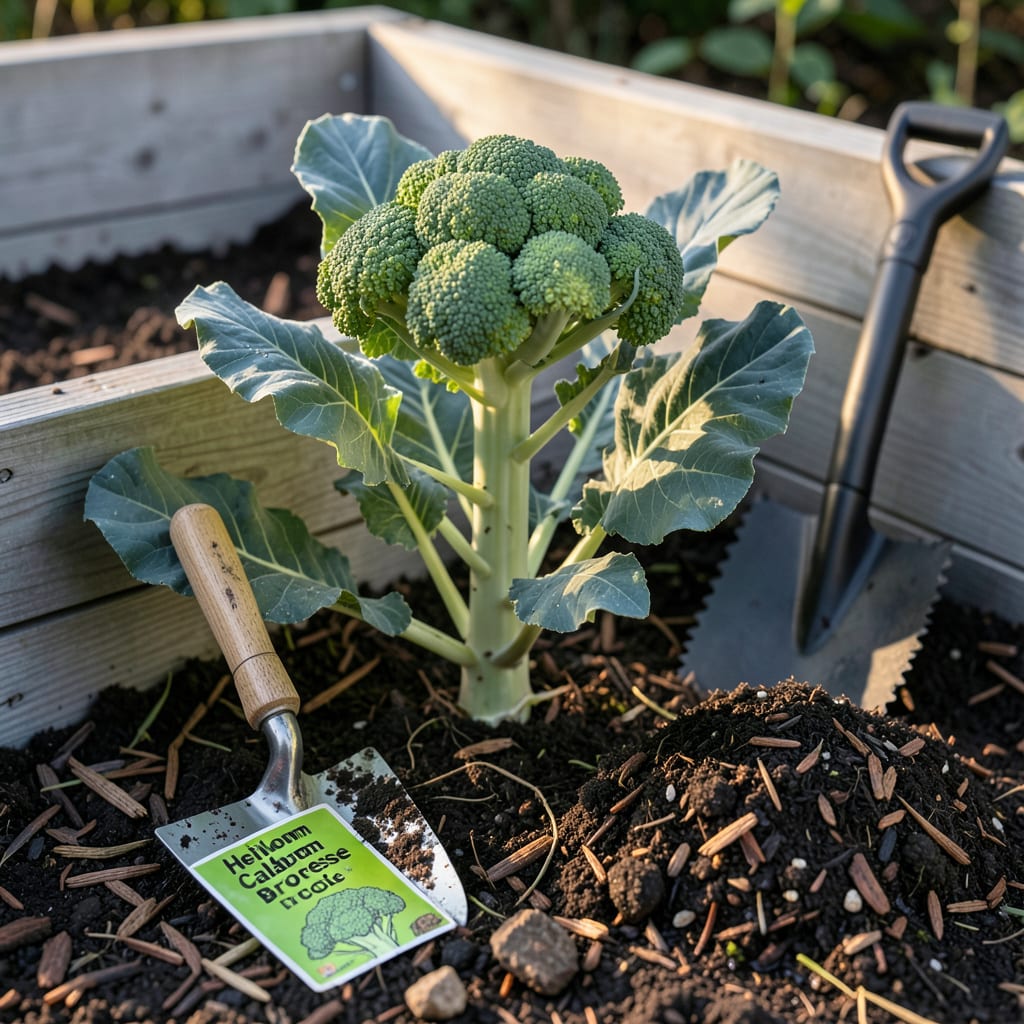
Timing can make or break your 🥦 broccoli harvest in Pennsylvania. Plant too early, and a late frost might wipe out your seedlings. Wait too long, and summer heat could turn your crop bitter before it even matures.
After years of testing what works in Zone 6a, I’ve nailed down the perfect windows for both spring and fall plantings. Whether you’re in Philly or the Poconos, I’ll show you exactly when to get those seeds in the ground for the juiciest, most flavorful heads.
Pennsylvania’s diverse climate zones (5a through 7a) mean broccoli planting windows vary significantly. In my experience, the key factor isn’t just the calendar date—it’s your last frost date and how quickly your soil warms in spring.
For most PA gardeners, you’ll want to target two planting windows: early spring (4-6 weeks before last frost) and late summer (10-12 weeks before first frost). Urban areas like Philadelphia often run 1-2 weeks ahead of rural spots like Erie due to the heat island effect.
Pro Tip: Always check your soil temperature—broccoli seeds germinate best at 60–70°F. Use a soil thermometer for accuracy!
I always recommend starting seeds indoors 6-8 weeks before transplanting for spring plantings. This gives your broccoli a head start, especially in cooler zones like 5a. For fall crops, direct sowing often works better since the soil is already warm.
Pay attention to microclimates in your garden. South-facing slopes or areas near brick walls warm up faster in spring. I’ve seen broccoli mature 10 days earlier in these spots compared to shadier areas of the same garden.
The fall planting window is actually my favorite in PA. Cooler temperatures produce sweeter, more tender broccoli, and you’ll face fewer pests like cabbage worms. Just be sure to count backward from your first frost date—most varieties need 70-100 days to mature.
If you’re in an urban area, keep an eye on heat retention from pavement. I’ve had broccoli bolt prematurely in Philadelphia when planted too late in spring. The solution? Use shade cloth during heat waves or opt for heat-tolerant varieties like ‘Belstar’.
For rural gardeners, deer pressure can be a bigger issue. I recommend protecting young plants with floating row covers until they’re established. The covers also help retain warmth for early spring plantings in zones 5a and 6a.
Remember that soil prep matters just as much as timing. Broccoli thrives in well-draining soil with plenty of organic matter. I amend my beds with composted manure each season—it makes a noticeable difference in head size and plant vigor.
Finally, don’t forget about succession planting. In Zone 6b and warmer, you can often sneak in a second spring planting 3 weeks after your first. This extends your harvest window and ensures you’re not overwhelmed with broccoli all at once.
Whether you’re in the mountains or the suburbs, the secret to great broccoli in PA is watching your local conditions more than the calendar. Keep a garden journal to track what works best in your specific microclimate—it’s the best way to refine your timing year after year. 🌱
Choosing between spring and fall planting for your PA broccoli crop isn’t just about timing—it affects everything from flavor to pest pressure. I’ve grown broccoli both seasons, and each has distinct advantages that can make or break your harvest.
Spring plantings give you that first fresh harvest of the season, but they require more vigilance against temperature swings. Fall plantings often produce sweeter, more tender heads since the plants mature in cooler weather. Let’s break down which season might work best for your garden goals.
🌱 Quick Decision Guide: Choose spring if you want early harvests and don’t mind pest management. Opt for fall if you prefer sweeter broccoli and can protect against slugs.
The temperature threshold is the biggest factor in this decision. Broccoli grows best when daytime temps stay below 80°F. In PA’s spring, this means planting early enough to harvest before summer heat arrives. For fall crops, you’re racing against the first frost.
I’ve found that fall plantings consistently outperform spring ones in most of PA, especially zones 6a and cooler. The heads develop more slowly in autumn’s cool weather, resulting in denser, more flavorful florets. Plus, you’ll spend less time battling cabbage worms!
For urban gardeners in Philly or Pittsburgh, spring plantings can work well if you use shade cloth to protect against unexpected heat waves. Rural gardeners in zones 5a-6a should lean toward fall plantings unless they’re prepared to use row covers for frost protection.
Remember that variety selection plays a role too. For spring, I recommend fast-maturing varieties like ‘De Cicco’ (48 days). For fall, try cold-hardy types such as ‘Waltham 29’ that can handle light frosts. Both seasons benefit from consistent moisture—aim for 1 inch of water per week.
Whichever season you choose, soil preparation remains critical. Work in plenty of compost before planting, and consider a balanced fertilizer (10-10-10) at planting time. This gives your broccoli the nutrients it needs to form those beautiful, tight heads we all love. 🌿
After helping dozens of PA gardeners troubleshoot their broccoli crops, I’ve noticed the same five critical mistakes popping up year after year. These errors can mean the difference between a bountiful harvest and a disappointing flop—especially in our unpredictable Pennsylvania climate.
The good news? Every one of these issues has an easy fix if you catch it early. From my own trial-and-error experiences (and some spectacular failures!), here are the pitfalls to avoid when planting broccoli in our state’s unique growing conditions.
✅ Quick Fix: The number one mistake I see? Planting too late in spring. In PA, broccoli planted after May 1 often bolts before forming heads due to rising temperatures.
The soil temperature mistake is particularly common in early spring. I’ve lost entire trays of seeds by planting when the calendar said it was time, only to realize my soil was still a chilly 50°F. Now I wait until my soil thermometer reads at least 60°F at 4-inch depth.
Another frequent issue is improper spacing. When plants are too close, they compete for nutrients and produce smaller heads. I use a simple trick: lay a yardstick between plants as I transplant to ensure that 18-inch minimum spacing. This also improves air circulation, reducing disease risks.
PA’s unpredictable weather makes timing especially tricky. One year I planted my fall crop too late in Zone 6a, and an early frost stunted my plants. Now I always plant my fall broccoli by August 1 to ensure maturity before the first frost, which typically hits around October 15 in most of the state.
Remember that pest management changes with the seasons. Spring plantings need protection from cabbage worms, while fall crops often face more slug pressure. I keep both diatomaceous earth and Bt spray on hand—these organic solutions work wonders in PA gardens without harming beneficial insects.
In most of PA, aim to plant by early August at the latest. Count backward 70-100 days from your first frost date (typically October 15). This ensures heads mature before cold weather slows growth.
For spring, start seeds indoors 6-8 weeks before transplanting. This gives plants a head start in our unpredictable PA springs. For fall, direct sowing works well since soil is already warm. Either way, harden off seedlings for 7-10 days before moving outside.
Urban gardeners face heat retention from pavement, which can cause premature bolting. Use shade cloth when temps exceed 80°F, and choose heat-tolerant varieties like ‘Belstar’. Philly gardeners often plant 1-2 weeks earlier than rural areas due to warmer microclimates.
Cover seedlings with floating row covers or cloches when temps drop below 28°F. In zones 5a-6a, keep covers handy until after the last frost date (around April 15). These also help retain warmth for faster early growth.
Yes! In zones 6b-7a, try succession planting—sow a second crop 3 weeks after your first. For continuous harvests, choose varieties with different maturity times. This works best with spring plantings in warmer PA regions.
