
Beautiful Plants For Your Interior
Beautiful Plants For Your Interior
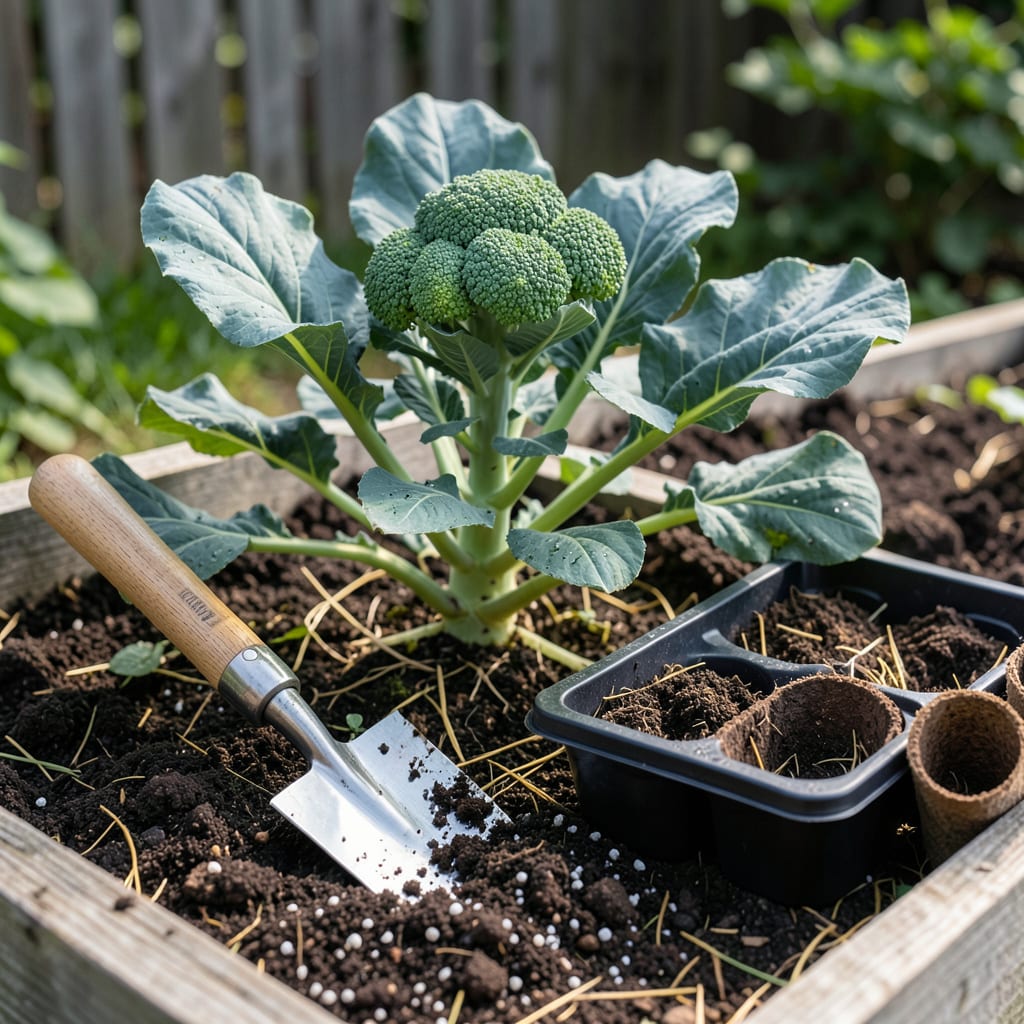
Oregon’s unpredictable climate can turn broccoli planting into a guessing game—plant too soon, and frost zaps your seedlings; wait too long, and summer heat sends your 🥦 straight to seed. The difference between a bountiful harvest and a disappointing flop often comes down to just 2-3 weeks of timing.
I’ve tested planting windows across the state, from misty coasts to high deserts, and the results might surprise you. Whether you’re in Portland’s Zone 8 or Bend’s Zone 6, I’ll show you exactly when to get those seeds in the ground—for crisp, sweet heads that don’t bolt before you can harvest them.
If you’ve ever wondered why your broccoli heads turn out small or flower too fast, it’s likely because Oregon’s diverse microclimates demand precise timing. From the coastal fog of Zone 9 to the high desert of Zone 5, planting dates can vary by 4-6 weeks. I’ll break down the exact windows for each region.
Oregon’s USDA zones 5-9 mean you could be planting as early as March in Portland or waiting until May in Bend. The key is working backward from your last frost date—but also watching for summer heatwaves, which trigger bolting. Let’s dig into the specifics.
| USDA Zone | Region | Spring Planting | Fall Planting | Last Frost | First Frost |
|---|---|---|---|---|---|
| 5a-6b | Eastern Oregon, Bend | May 1–June 15 | July 15–Aug 1 | May 15 | Sept 15 |
| 7a-7b | Willamette Valley (Salem, Eugene) | March 15–April 30 | July 1–July 31 | April 1 | Nov 1 |
| 8a-9b | Portland, Coast, Medford | Feb 15–March 31 | Aug 1–Sept 15 | March 1 | Nov 15 |
For spring planting, aim to transplant 4-6 week-old seedlings about 2-3 weeks before your last frost. In Zone 7 (Willamette Valley), that means starting seeds indoors in January for a March transplant. Coastal gardeners in Zone 9 can direct-sow as early as late February.
The fall crop is where many Oregon gardeners struggle. The trick is counting backward from your first frost date—broccoli needs 75-90 days to mature. In Portland (Zone 8), plant by August 15 for a October harvest. Eastern Oregon’s shorter season means planting by July 15.
Soil temperature matters too. Broccoli thrives when soil is 45–85°F. Use a soil thermometer—if it’s below 40°F, wait or use row covers. In Bend’s Zone 5, I recommend black plastic mulch to warm soil faster in spring.
Watch for heatwaves—anything above 85°F for 3+ days can cause bolting. In Zone 9 (Medford, coast), plant in partial shade or use shade cloth during peak summer. Fall crops often outperform spring ones here because of cooler nights.
For coastal gardeners, slugs are the bigger challenge than timing. I use beer traps and copper tape around beds. Inland, aphids love broccoli—blast them off with water early or introduce ladybugs. Both regions benefit from floating row covers to deter pests.
If you’re in Zone 5-6 (high desert), focus on fast-maturing varieties like ‘De Cicco’ (48 days) or ‘Green Magic’ (57 days). Longer-season zones (7-9) can grow larger-headed types like ‘Calabrese’ (75 days) or ‘Waltham 29’ (90 days, cold-hardy).
Remember: Oregon’s microclimates can vary even within zones. A Portland backyard might be warmer than a rural valley floor. When in doubt, check with your local OSU Extension office for hyper-local advice. And always succession plant—sow new seeds every 2-3 weeks for continuous harvests! 🌱
Even experienced Oregon gardeners can sabotage their broccoli harvest with timing errors. The most common mistake? Planting during unpredictable heat spikes, which sends broccoli straight to seed. I’ve seen entire crops ruined by a single 90°F week in June—here’s how to avoid it.
Another pitfall is ignoring Oregon’s microclimate extremes. A Portland urban garden might be 10°F warmer than a rural plot just 20 miles away. Coastal fog, valley inversions, and elevation changes all demand adjustments. Don’t assume your neighbor’s timing works for you!
The third critical error is misjudging fall planting windows. Many gardeners plant too late, not realizing broccoli needs 75-90 days to mature. In Zone 8 (Portland), you must plant by August 15 for an October harvest. Eastern Oregon’s Zone 5 requires planting by July 15—no exceptions!
Soil temperature is another overlooked factor. Broccoli seeds germinate poorly in cold soil (below 50°F). I use a soil thermometer and wait until readings hit 55°F before direct sowing. For earlier starts, use black plastic mulch to warm soil or start seeds indoors under grow lights.
Don’t forget about daylength sensitivity. Broccoli bolts when days get too long or hot. In Zone 9 (Medford, coast), I recommend short-day varieties like ‘Packman’ (53 days) or ‘Green Magic’ (57 days). These handle Oregon’s summer solstice better than long-season types.
Finally, watch for false springs—warm spells in February/March that trick gardeners into early planting. Oregon’s weather is notorious for late frosts (I’ve seen snow in April in Zone 7!). Always harden off seedlings and keep frost blankets handy until after your last frost date.
Pro tip: Keep a garden journal with your planting dates, first harvest dates, and weather notes. Over time, you’ll spot patterns unique to your Oregon microclimate. And remember—fall broccoli often tastes sweeter than spring crops thanks to cooler nights! 🌱
Not all broccoli thrives in Oregon’s diverse climates. If you’re in Zone 5-6 (Bend, Eastern Oregon), you need fast-maturing varieties that beat the frost. But in Zone 8-9 (Portland, coast), you can grow larger-headed types that love longer seasons. Let me break down the best picks for your region.
For short-season areas (Zones 5-6), focus on varieties that mature in under 60 days. My top picks are ‘De Cicco’ (48 days) and ‘Green Magic’ (57 days). These produce smaller heads but deliver reliable harvests before summer heat or fall frost hits.
| Variety | Days to Maturity | Best for Zones | Head Size | Heat Tolerance | Cold Hardiness |
|---|---|---|---|---|---|
| De Cicco | 48 | 5-7 | Small | Moderate | High |
| Green Magic | 57 | 5-8 | Medium | Good | Very High |
| Packman | 53 | 6-9 | Medium | Excellent | Moderate |
| Belstar | 65 | 7-9 | Large | Very High | Low |
| Waltham 29 | 90 | 7-9 | Very Large | Low | Very High |
In Zone 7 (Willamette Valley), you’ve got more flexibility. I recommend ‘Packman’ (53 days) for its heat tolerance and reliable yields. It’s perfect for both spring and fall crops. For a larger harvest, try ‘Calabrese’ (75 days)—just plant it early enough to avoid summer heat.
Coastal gardeners in Zone 8-9 can push the envelope with longer-season varieties. ‘Belstar’ (65 days) handles heat well, while ‘Waltham 29’ (90 days) excels in cool fall weather. Both produce big, flavorful heads if given enough time. Just watch for cabbage worms—they love these varieties too!
For fall planting, choose cold-hardy varieties like ‘Arcadia’ (63 days) or ‘Marathon’ (68 days). These tolerate light frosts and keep producing into November in most zones. In Zone 5-6, stick with ‘De Cicco’ for fall—it’s your safest bet.
Remember: Variety matters, but soil prep is just as crucial. Oregon’s acidic coastal soils and volcanic inland soils need different amendments. Test your soil and adjust pH to 6.0-7.0 before planting. A little prep goes a long way in getting those perfect, tight heads! 🌱
Count backward from your first frost date—broccoli needs 75-90 days to mature. In Portland (Zone 8), plant by August 15; in Bend (Zone 5), aim for July 15. Use a soil thermometer to confirm temps stay above 45°F.
Coastal zones (8-9) allow for extended seasons, but avoid winter planting. The best windows are February–March for spring and August–September for fall. Coastal fog helps prevent bolting, but watch for slug damage in damp conditions.
‘De Cicco’ (48 days) and ‘Green Magic’ (57 days) are top picks for Zone 5-6. These produce smaller heads but reliably beat frost. For fall crops, stick with ‘De Cicco’—it handles cool nights better than larger varieties.
Bolting happens when temps exceed 85°F for 3+ days. In Zone 7-9, use shade cloth or plant in partial shade. Choose heat-tolerant varieties like ‘Belstar’ or ‘Packman’ for summer crops.
Urban areas (like Portland) can be 5-10°F warmer than rural zones. Start seeds 1-2 weeks earlier in cities, but monitor soil temps—55°F+ is ideal. Rural gardens may need row covers for earlier starts.
