
Beautiful Plants For Your Interior
Beautiful Plants For Your Interior
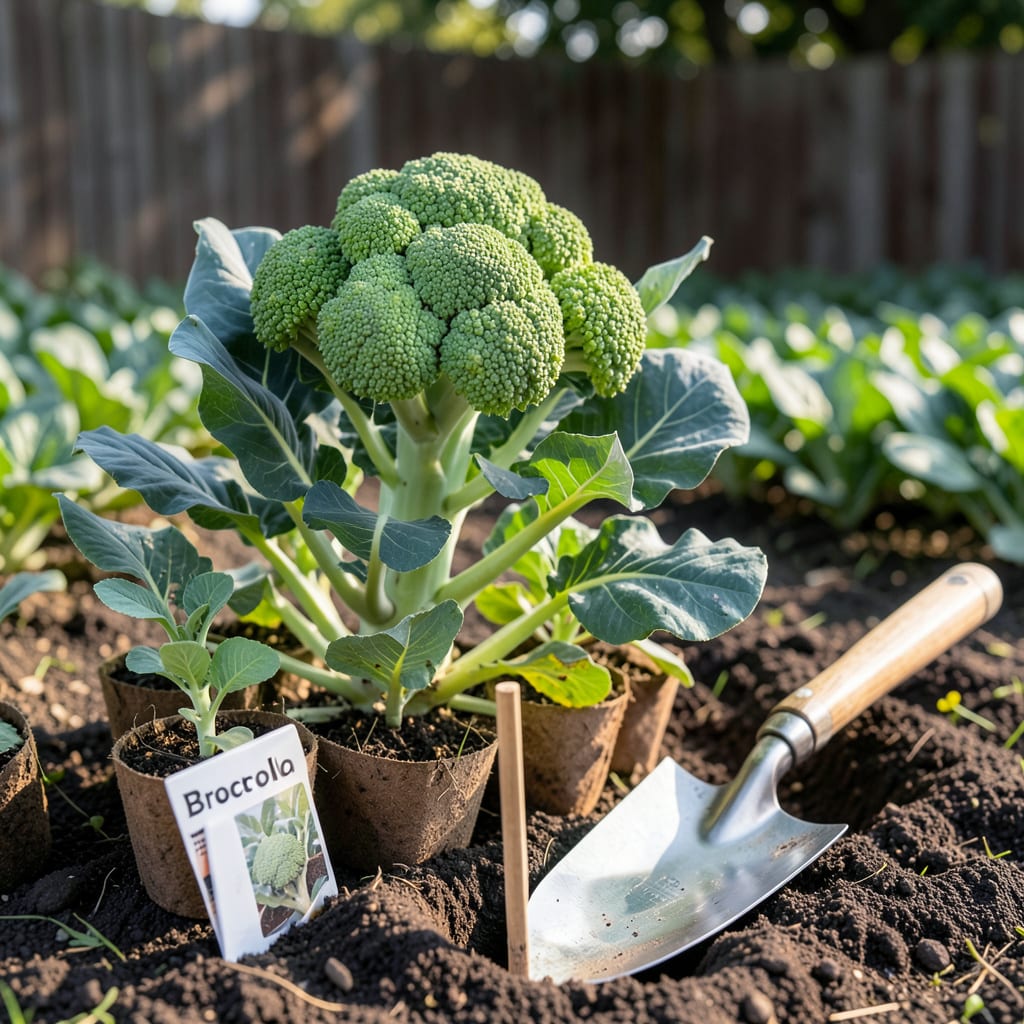
Getting two broccoli harvests in one Ohio growing season isn’t just possible—it’s a game-changer for your garden. The trick? Nailing those critical planting windows before summer heat or fall frost derails your plans.
I’ve tested the timing across Ohio’s zones, and what works in Toledo won’t always fly in Cincinnati. Whether you’re planting in early spring or late summer, I’ll show you exactly when to start for crisp, homegrown 🥦—no guesswork required.
Ohio’s three USDA zones (5a, 5b, and 6b) mean your broccoli planting dates can shift by 3+ weeks depending on where you live. In Toledo (Zone 5a), you’ll plant later than gardeners in Cincinnati (Zone 6b)—frost dates make all the difference.
For spring planting, aim to transplant seedlings 2–3 weeks before your last frost date. In fall, count backward from your first frost to ensure harvest before cold snaps. Let’s break down the exact windows for your zone.
| Zone | Spring Planting | Fall Planting | Notes |
|---|---|---|---|
| 5a (Toledo) | April 15–May 1 | July 20–Aug 5 | Start seeds indoors March 1–15 |
| 5b (Columbus) | April 1–April 20 | July 25–Aug 10 | Direct sow April 10+ if soil is 60°F |
| 6b (Cincinnati) | March 20–April 5 | Aug 1–Aug 15 | Use shade cloth for late summer heat |
Pro Tip: Fall plantings often outperform spring due to cooler temps and fewer pests.
In Zone 5a, I’ve found that starting seeds indoors by March 1 gives seedlings the 6–8 weeks they need to harden off before transplanting. Use a heat mat to maintain 70°F soil temp for faster germination.
For Zone 6b gardeners, you can push the envelope with early March sowing, but watch for late frosts. A low tunnel or frost blanket can protect young plants if temps dip unexpectedly. Fall plantings here benefit from August’s warmth but need consistent moisture.
Soil temperature is your secret weapon. Broccoli seeds germinate best at 60–65°F, while transplants thrive when soil hits 50°F+. Use a soil thermometer—don’t guess! In urban areas, pavement can create microclimates that are 5–10°F warmer than rural spots.
If you’re direct sowing, wait until soil is workable (not muddy) and at least 50°F. Space seeds 3 inches apart, thinning to 18–24 inches once true leaves appear. For transplants, plant slightly deeper than their container to encourage stability.
Variety selection matters too. For spring planting, choose ‘De Cicco’ (50 days) or ‘Green Magic’ (57 days) to beat the heat. In fall, opt for cold-hardy ‘Waltham 29’ (85 days) or ‘Belstar’ (65 days) to handle temperature swings.
Remember: Broccoli hates heat. If daytime temps exceed 80°F, plants may bolt (flower prematurely). In Zone 6b, use 30% shade cloth during July/August heatwaves to extend your harvest window.
For succession planting, sow a new crop every 2–3 weeks until mid-July in Zone 5, or early August in Zone 6. This staggers harvests and prevents gluts. Pair with quick-growing radishes as trap crops for cabbage worms.
Track your local frost dates using the Ohio State University Extension tool, but adjust for microclimates. A south-facing slope in Zone 5b might mimic Zone 6a conditions, letting you plant 1–2 weeks earlier than neighbors.
Even experienced gardeners can sabotage their Ohio broccoli crop with a few common missteps. The biggest culprit? Ignoring microclimates—your Columbus backyard might behave more like Zone 6a thanks to heat-absorbing pavement or south-facing slopes.
Another frequent error is planting too late in spring. Broccoli thrives in cool weather, and Ohio’s summers arrive fast. If your seedlings aren’t established by late May, they’ll likely bolt when temps hit 80°F+. Let’s tackle these pitfalls head-on.
Quick Fix: Use a soil thermometer—don’t guess on planting dates!
One mistake I see often is ignoring soil temperature. Broccoli seeds need 60–65°F to germinate, but many gardeners plant when air temps hit 60°F—only to wonder why seeds rot. Use a $10 soil thermometer to avoid this costly error.
Another harvest-killer is inconsistent watering. Broccoli demands 1–1.5 inches of water weekly, but overhead sprinklers invite fungal diseases. Instead, use drip irrigation or soaker hoses to keep foliage dry. Mulch with straw to retain moisture.
Pest pressure spikes in Ohio’s humid summers. Cabbage worms can decimate plants overnight. I combat them with floating row covers (removed during flowering for pollinators) or weekly Bt (Bacillus thuringiensis) sprays. Companion plant with thyme or dill to deter pests naturally.
Finally, don’t overlook fall planting timing. Many Ohio gardeners plant fall broccoli too late, assuming “cooler weather” is enough. Instead, count backward from your first frost date (e.g., October 10 in Columbus) and add 7–10 days for harvest buffer. For ‘Waltham 29’ (85 days), that means planting by July 25.
If you’ve struggled with buttoning (small, underdeveloped heads), blame heat stress or nutrient imbalance. Apply a balanced fertilizer (10-10-10) at planting, then side-dress with compost tea every 3–4 weeks. In Zone 6b, a late-August planting often yields sweeter, larger heads than spring crops.
Double your broccoli harvest with a smart succession planting strategy tailored to Ohio’s climate. The key is leveraging our two distinct growing windows—spring and fall—while avoiding the summer heat that makes broccoli bolt prematurely.
I’ve perfected this method in my own Ohio garden by pairing fast-maturing varieties like ‘De Cicco’ (50 days) for spring with cold-hardy ‘Waltham 29’ (85 days) for fall. Here’s how to time it right for your zone.
Pro Tip: Stagger plantings every 2 weeks until mid-July for continuous harvests.
In Zone 6b (Cincinnati area), you can push your fall planting to mid-August thanks to the longer growing season. I recommend using shade cloth during late-summer heatwaves to protect young plants from 80°F+ temps that trigger bolting.
For spring succession, sow a new batch of ‘Green Magic’ (57 days) every 10–14 days from late March to mid-April. This ensures you’re harvesting fresh broccoli from June through early July before the heat sets in. Pair with radishes as trap crops to deter cabbage worms.
Fall plantings require precise timing. Count backward from your first frost date (e.g., October 15 in Columbus) and add the days to maturity for your variety. For ‘Belstar’ (65 days), plant by August 10. Use row covers in late September to extend the season if frost threatens early.
Don’t forget soil prep between plantings. After harvesting your spring crop, I remove plant debris, add a 2-inch layer of compost, and lightly till. A soil test helps adjust pH to 6.0–7.0—critical for preventing clubroot disease, which thrives in acidic soils.
For urban gardeners, microclimates can be your ally. A south-facing raised bed in Cleveland (Zone 6a) might let you plant 1–2 weeks earlier than rural areas. Monitor soil temps—when they hit 60°F at 4-inch depth, it’s go time for direct sowing.
Use frost blankets or low tunnels to shield young plants when overnight temps dip below 32°F. Remove covers during the day to prevent overheating. In Zone 5a, keep them handy until mid-May.
Choose containers at least 12 inches deep and 18 inches wide. Use well-draining potting mix and ensure 6+ hours of sunlight daily. Dwarf varieties like ‘De Cicco’ work best for limited spaces.
This is called bolting, usually caused by heat stress or inconsistent watering. In Ohio, it often happens when spring-planted broccoli faces 80°F+ temps. Use shade cloth and mulch to keep soil cool.
Feed every 3–4 weeks with a balanced 10-10-10 fertilizer or compost tea. Start at planting, then side-dress when heads begin forming. Avoid high-nitrogen fertilizers late in the season—they delay maturity.
Light frosts actually improve flavor! Plant 70–80 days before your first frost date. Varieties like ‘Waltham 29’ develop richer taste in cooler weather. Harvest after a light frost but before hard freezes.
