
Beautiful Plants For Your Interior
Beautiful Plants For Your Interior
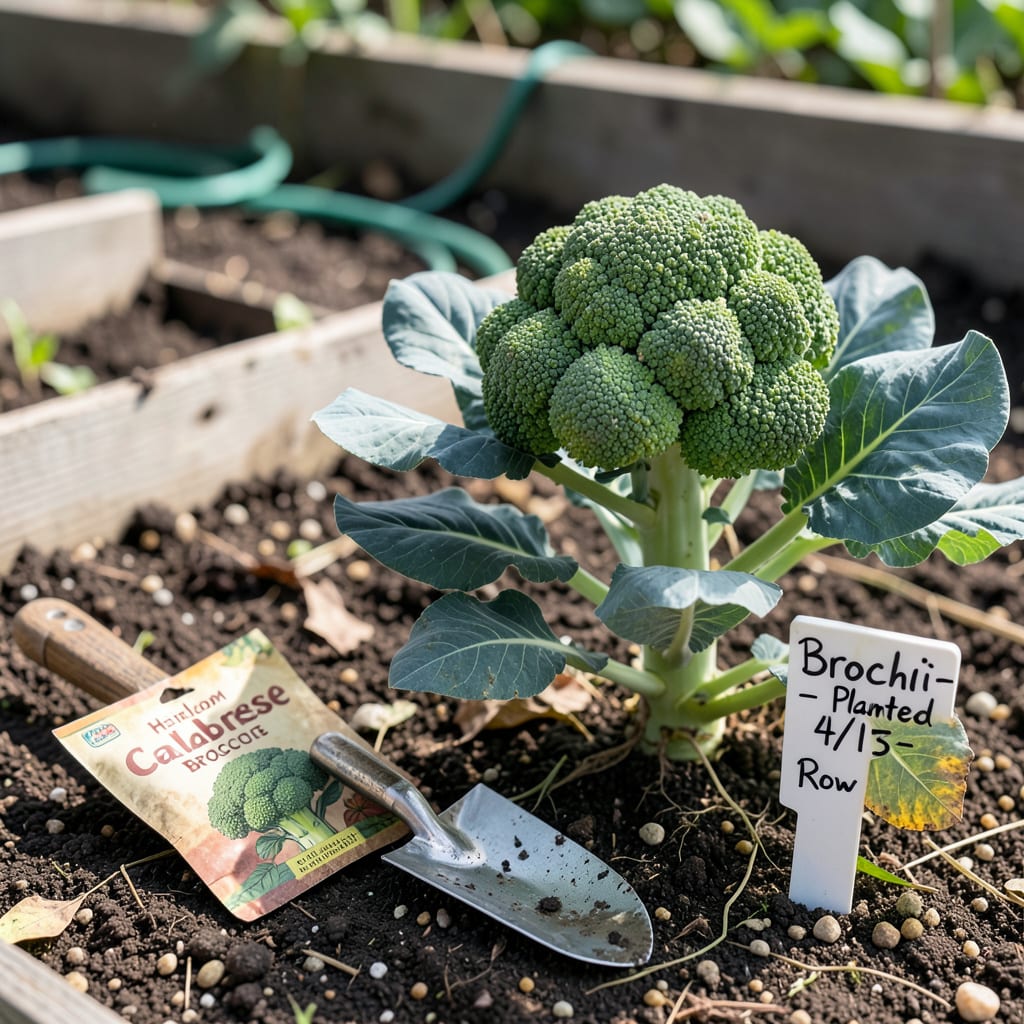
Timing isn’t just important—it’s everything when growing crisp, flavorful 🥦 broccoli in North Carolina. Our state’s unpredictable swings from frost to scorching heat can turn your garden dreams into a disappointment if you don’t plant at the right moment.
After years of testing and tweaking, I’ve nailed down the perfect windows for spring and fall planting—tailored to NC’s coastal, piedmont, and mountain regions. Let me show you how to sync with our climate and get broccoli that thrives, not just survives.
North Carolina’s three distinct climate zones mean there’s no one-size-fits-all answer for planting broccoli. Whether you’re gardening in the coastal plains, piedmont rolling hills, or mountain highlands, timing makes all the difference. Let’s break down the ideal windows.
The secret? Two planting seasons: spring and fall. Spring broccoli races against rising temperatures, while fall broccoli thrives in cooler weather. I’ve found fall plantings often yield sweeter, more reliable harvests in NC. Here’s your regional roadmap. 🌱
| Region | Spring Planting | Fall Planting | Last Frost | First Frost |
|---|---|---|---|---|
| Coastal (Zone 8a) | Feb 1–Mar 1 | Aug 15–Sep 15 | Mar 15 | Nov 15 |
| Piedmont (Zone 7b) | Mar 1–Mar 30 | Aug 1–Sep 1 | Apr 15 | Nov 1 |
| Mountains (Zone 6b) | Apr 1–Apr 15 | Jul 15–Aug 15 | May 1 | Oct 15 |
*Start seeds 4-6 weeks indoors before transplanting. Soil temp should be 45°F+.
For spring planting, coastal gardeners get a head start thanks to milder winters. But watch out—March heatwaves can trick broccoli into bolting. I use shade cloth if temps spike above 80°F to protect young plants. 🌡️
The piedmont region is NC’s broccoli sweet spot. Aim to transplant 4–6 weeks before your last frost. In Raleigh, that’s around St. Patrick’s Day. Fall plantings here often outperform spring—less pest pressure and cooler temps mean tighter heads.
Mountain gardeners face the shortest growing window. Your last frost can linger until early May, so start seeds indoors by mid-March. Fall is your best bet—plant by mid-August to beat early frosts. I love ‘Arcadia’ for its cold tolerance up high. ❄️
Pro tip for all regions: Soil prep matters. Broccoli craves rich, well-draining soil with plenty of compost. Test your pH—aim for 6.0–7.0. Sandy coastal soil? Mix in peat moss to retain moisture without waterlogging.
Don’t forget succession planting! For a steady harvest, sow new seeds every 2–3 weeks until late summer. In the piedmont, I plant my last fall crop by September 1 to ensure maturity before frost. ✅
Remember: Fall broccoli tastes sweeter! Cooler temps reduce bitterness and encourage tighter heads. Plus, you’ll face fewer cabbage worms—a win for organic gardeners. Just protect young plants from late-summer droughts with mulch. 💧
Final reminder: Watch the weather, not just the calendar. NC’s unpredictable swings mean flexibility is key. I keep row covers handy for surprise cold snaps and shade cloth for heatwaves. Your broccoli will thank you! 🪴
North Carolina’s humid summers and unpredictable frosts can turn broccoli growing into a frustrating game of chance—unless you know what to avoid. After years of trial and error, I’ve seen even experienced gardeners make simple mistakes that ruin their harvest. Let’s tackle the top five pitfalls.
First up: ignoring soil pH. Broccoli thrives in slightly acidic soil (6.0–7.0). If your soil is too alkaline, you’ll end up with stunted plants or yellowing leaves. Test your soil before planting—it’s a game-changer. Coastal gardeners, watch out for sandy soil that drains too fast! 🌱
Another big mistake? Underestimating NC’s regional differences. What works in Asheville’s mountains (Zone 6b) won’t fly in Wilmington’s coast (Zone 8a). Mountain gardeners, your last frost date is often 2–3 weeks later—adjust planting times accordingly.
Watering inconsistently is a silent killer. Broccoli needs 1–2 inches of water weekly, but soggy soil invites root rot. I use a drip irrigation system on a timer to keep moisture steady. If you’re hand-watering, check soil depth—dry at 1 inch? Time to water! 💧
Don’t forget about succession planting. Many NC gardeners plant once and call it done, but broccoli’s short harvest window (about 3 weeks) means you’ll miss out. For a continuous crop, sow new seeds every 2–3 weeks until late summer.
Finally, harvesting too late turns your broccoli bitter. Cut heads when they’re 4–6 inches wide and buds are tight. See yellow flowers? You’ve waited too long. Pro tip: Keep harvesting side shoots—they’ll keep producing for weeks! ✂️
If you’ve ever grown broccoli in North Carolina, you know our spring and fall seasons offer wildly different growing conditions. While both can produce great harvests, one season often outperforms the other—especially when it comes to flavor, yield, and ease. Let’s compare them head-to-head. 🌱
Spring broccoli is all about beating the heat. In NC, our temperatures can skyrocket from mild to sweltering in just weeks. If you plant too late, your broccoli will bolt—sending up flowers instead of forming tight heads. I’ve found that coastal gardeners have the best luck with spring crops, thanks to their earlier last frost dates.
Winner? Fall broccoli edges out spring for most NC gardeners, thanks to better flavor and fewer pests. But spring works well if you’re coastal and vigilant about heat! ☀️
Fall broccoli, on the other hand, thrives in NC’s cooler autumn weather. The slower growth means tighter heads and a sweeter taste—no bitterness here! I’ve noticed fall crops also face fewer cabbage worms, since their populations decline as temperatures drop. Just be sure to plant by early September in the piedmont to avoid frost damage.
One major advantage of fall planting? Extended harvests. While spring broccoli might give you one or two cuts, fall plants often produce multiple side shoots well into November. I’ve harvested broccoli from the same plants for 6+ weeks in a mild fall. The key is keeping soil moist as days get shorter. 💧
So which season wins? For most NC gardeners, fall is the clear favorite. The flavor is superior, pests are fewer, and the weather is more predictable. But if you’re in the coastal region or love an early harvest, spring can work beautifully—just stay ahead of the heat with shade cloth and mulch. 🪴
My personal strategy? Plant both! A small spring crop satisfies my early-season cravings, while my fall planting provides the bulk of my harvest. Succession planting every 2–3 weeks ensures I’m never without fresh broccoli. Try it—you might be surprised by how well both seasons can work together! ✅
For the piedmont (Zone 7b), aim to plant by September 1 to ensure maturity before the first frost around November 1. Starting seeds indoors by mid-July gives you a head start for transplanting.
Bolting happens when temperatures exceed 80°F. In NC, late spring heatwaves often trigger this. Plant earlier (by March 15) and use shade cloth during warm spells to protect young plants.
Choose a container at least 12 inches deep and wide. Use well-draining potting mix and ensure 6+ hours of sunlight daily. Dwarf varieties like ‘De Cicco’ work best for small spaces.
Cover plants with floating row covers immediately after transplanting. For organic control, apply Bt (Bacillus thuringiensis) spray weekly. Handpick worms in the morning when they’re most active.
For heat tolerance, try ‘Belstar’ or ‘Green Magic’. In mountains, ‘Arcadia’ handles cold snaps well. Coastal gardeners love ‘Packman’ for its quick maturity (55 days) before summer heat arrives.
