
Beautiful Plants For Your Interior
Beautiful Plants For Your Interior
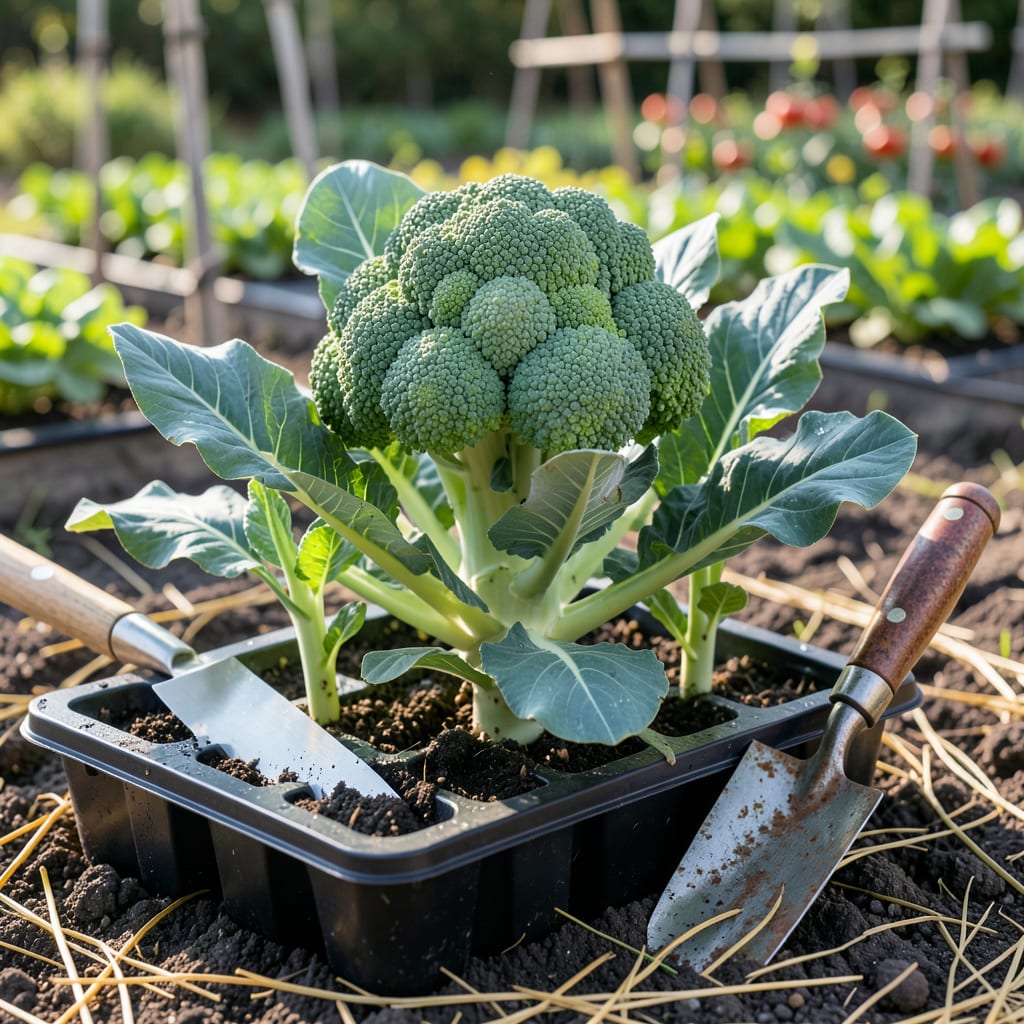
Kentucky gardeners know the frustration: plant your 🥦 broccoli too early and frost wipes it out; wait too long and summer heat turns it bitter. The difference between a thriving harvest and a failed crop often comes down to just 2-3 weeks of perfect timing.
After years of testing what works in our state’s finicky climate, I’ve nailed down the ideal windows for both spring and fall plantings. Whether you’re in Louisville or Pikeville, I’ll show you exactly when to get those seedlings in the ground—and why fall might just be your secret weapon.
If you’re eager to grow crisp, homegrown broccoli in Kentucky, timing your planting is absolutely critical. Kentucky’s humid subtropical climate means we deal with everything from late frosts to scorching summers. Plant too early, and a surprise freeze could wipe out your seedlings. Wait too long, and summer heat will send your plants bolting before they mature.
Luckily, Kentucky gardeners get two prime windows for broccoli: spring and fall. The key is working around our last frost date (April 15) and first frost date (October 15). I’ll break down the exact timing, soil temps, and regional tweaks to help you nail both seasons.
| Season | Planting Window | Soil Temp | Days to Harvest | Kentucky Tip |
|---|---|---|---|---|
| Early Spring | March 15–April 1 | 40–50°F | 70–90 days | Use row covers for frost protection |
| Late Spring | April 15–May 1 | 50–65°F | 60–75 days | Avoid planting after May 15 (heat risk) |
| Early Fall | July 15–August 1 | 60–70°F | 60–80 days | Start seeds indoors in June for transplanting |
| Late Fall | August 15–September 1 | 55–65°F | 55–70 days | Use fast-maturing varieties like ‘De Cicco’ |
Soil temps measured at 2″ depth. Adjust dates by 7–10 days for Eastern KY (cooler) or Western KY (warmer).
For spring planting, I recommend starting seeds indoors 6–8 weeks before your last frost (around February 15–March 1). This gives your seedlings a head start so they’re ready to transplant outdoors by mid-April. If you’re direct-sowing, wait until soil temps hit at least 40°F—cold soil stunts growth.
Fall planting is where Kentucky gardeners often see the best results. The trick is timing your crop to mature before the first frost. Count backward from October 15 (our average first frost) and add 10–14 days for harvest flexibility. For example, if your variety takes 70 days to mature, plant by August 1 to be safe.
Western Kentucky tends to run 5–7°F warmer than Eastern KY, so you can push spring planting 1 week earlier and fall planting 1 week later. If you’re in the Bluegrass region (Zone 6b), stick to the middle of the recommended windows. Always check your local frost dates—microclimates matter!
Soil prep is non-negotiable for broccoli. Aim for a pH of 6.0–7.0 and work in 2–3 inches of compost before planting. Broccoli thrives in well-draining, moisture-retentive soil. If your soil is heavy clay (common in parts of KY), mix in aged manure or coconut coir to improve texture.
Spacing matters too—crowded plants compete for nutrients and invite pests. Space transplants 18–24 inches apart in rows 3 feet apart. For direct-seeded broccoli, thin seedlings to 12 inches apart once they have 2–3 true leaves. I like to use a soaker hose for consistent moisture, which helps prevent blossom end rot.
Watch the weather like a hawk, especially in spring. If a late frost threatens, cover seedlings with frost blankets or cardboard boxes overnight. Remove covers by 10 AM to prevent overheating. In fall, be ready to protect mature plants from early frosts with row covers or cold frames to extend your harvest.
Finally, don’t forget about succession planting! For a continuous supply, sow a new batch of seeds every 2–3 weeks during your planting window. This works especially well in fall, where you can stagger plantings from late July through early September for harvests that last until Thanksgiving.
Even experienced Kentucky gardeners can sabotage their broccoli harvest with simple oversights. I’ve seen firsthand how small errors like ignoring microclimates or misjudging frost dates can wipe out an entire crop. Let’s tackle the top 5 mistakes I see most often—and how to fix them.
First up: planting too early in spring. Kentucky’s last frost date averages April 15, but eager gardeners often jump the gun. If soil temps dip below 40°F, seedlings stall or rot. Always check soil temp at 2-inch depth before planting—it’s more reliable than air temp.
💡 Pro Tip: Keep a garden journal! Track your planting dates, weather anomalies, and harvest results to refine your timing each year.
Another costly mistake? Using the wrong varieties for Kentucky’s climate. Not all broccoli thrives here. For spring, choose heat-tolerant types like ‘Green Magic’ or ‘Belstar’. For fall, opt for cold-hardy varieties such as ‘Waltham 29’ or ‘Purple Sprouting’. These handle our temperature swings far better than generic seed packets.
Pest neglect is another harvest-killer. Kentucky’s humidity invites cabbage worms, aphids, and flea beetles. I swear by floating row covers for organic protection. Install them at planting and secure the edges with soil or sandbags to block pests entirely.
Don’t overlook succession planting either. Many gardeners plant once and call it done, but broccoli’s short harvest window (just 1–2 weeks per head) means you’ll miss out without staggered plantings. For fall, sow seeds every 2 weeks from mid-July to early September for continuous harvests.
Finally, harvesting too late turns your broccoli bitter and woody. Cut heads when buds are tight and green—before yellow flowers appear. Use a sharp knife at a 45° angle, leaving 6 inches of stem to encourage side shoots. Many varieties produce secondary florets for bonus harvests!
Remember, Kentucky’s humid summers and unpredictable frosts demand flexibility. If your first planting fails, don’t hesitate to try again in the opposite season. Fall broccoli often outperforms spring crops here, thanks to cooler temps and fewer pests. Keep experimenting—every season teaches us something new! 🌱
Not all broccoli varieties thrive in Kentucky’s humid subtropical climate. After testing dozens over the years, I’ve found the top performers that handle our temperature swings and unpredictable frosts like champs. The right variety can mean the difference between a bountiful harvest and a bitter disappointment.
For spring planting, you need heat-tolerant varieties that won’t bolt when temps climb. My go-to picks are ‘Green Magic’ (matures in 57 days) and ‘Belstar’ (ready in 65 days). Both hold up well in Kentucky’s late spring heatwaves and produce tight, flavorful heads.
| Variety | Days to Harvest | Best Season | Kentucky Perk | Planting Window |
|---|---|---|---|---|
| Green Magic | 57 days | Spring | Heat-tolerant, slow to bolt | March 20–April 10 |
| Waltham 29 | 85 days | Fall | Cold-hardy to 20°F | July 15–Aug 1 |
| Purple Sprouting | 90 days | Fall/Winter | Overwinters in Zone 6 | June 15–July 1 |
| De Cicco | 48 days | Spring/Fall | Fast-growing, great for succession | March 15–April 1 or Aug 1–15 |
Adjust planting dates by 5–7 days for Western KY (warmer) or Eastern KY (cooler).
For fall planting, I swear by ‘Waltham 29’ and ‘Purple Sprouting’. ‘Waltham’ laughs at light frosts and keeps producing even when temps dip into the 20s. ‘Purple Sprouting’ is perfect for overwintering in Kentucky—plant in June and you’ll get sweet purple florets in early spring when little else is growing.
If you love continuous harvests, ‘De Cicco’ is your best friend. This Italian heirloom produces smaller central heads followed by abundant side shoots. It’s ideal for succession planting—sow every 2 weeks from mid-March to early April for spring, or July to mid-August for fall.
For container gardeners, ‘Green Goliath’ (75 days) and ‘Munchkin’ (55 days) are compact powerhouses. Both thrive in 5-gallon containers with full sun and consistent moisture. Just ensure your pots have drainage holes—soggy roots spell disaster for broccoli. Feed container plants every 2 weeks with a balanced organic fertilizer.
Remember, seed quality matters. I always buy from reputable suppliers like Southern Exposure Seed Exchange or Baker Creek, which offer varieties tested in southern climates. Store leftover seeds in a cool, dry place—broccoli seeds stay viable for 3–5 years if properly stored. 🌱
Broccoli thrives when soil temps reach 40–50°F for spring planting and 60–70°F for fall. Use a soil thermometer at 2-inch depth for accuracy. Cold soil stunts growth, while overly warm soil can cause bolting.
Choose compact varieties like ‘Munchkin’ or ‘Green Goliath’. Use 5-gallon containers with drainage holes and full sun. Feed every 2 weeks with balanced fertilizer for best results.
Cover seedlings with frost blankets or cardboard boxes overnight when temps dip below 32°F. Remove covers by 10 AM to prevent overheating. Row covers work great for extended protection.
Bolting usually happens when plants experience heat stress (temps above 80°F) or inconsistent watering. In Kentucky, fall planting often yields better results. Use shade cloth if spring temps spike unexpectedly.
Try succession planting! Sow new seeds every 2–3 weeks during your planting window. Varieties like ‘De Cicco’ produce side shoots after the main head is harvested, extending your harvest season.
