
Beautiful Plants For Your Interior
Beautiful Plants For Your Interior
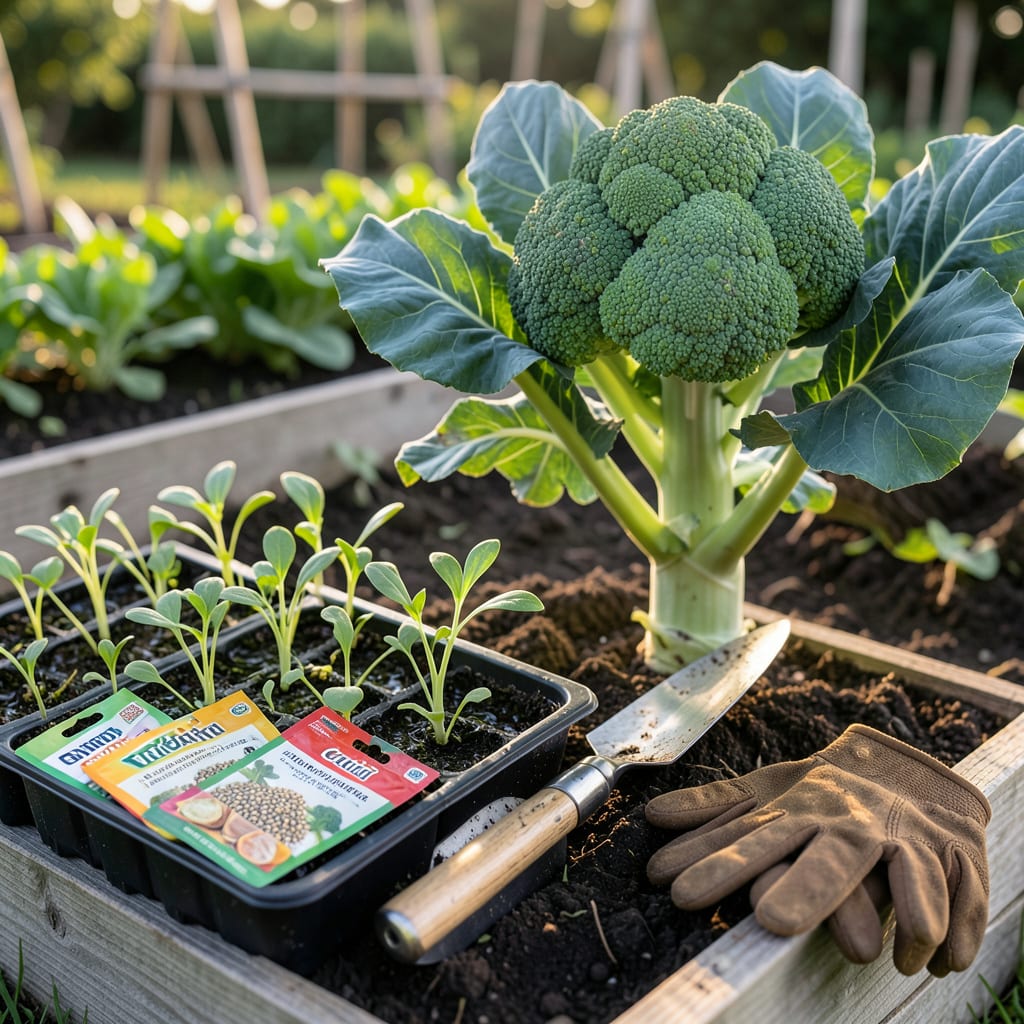
Timing your broccoli planting in California can mean the difference between crisp, flavorful heads and a disappointing harvest. The Golden State’s diverse microclimates—from foggy coasts to scorching valleys—demand precise planning.
Whether you’re in USDA Zone 10a or battling inland heat, I’ll break down the ideal windows to plant 🥦 so you avoid bitter florets or stunted growth. Let’s get your broccoli thriving at the right time, in the right place.
If you’ve ever wondered why your broccoli heads turn bitter or bolt before maturing, chances are you missed the ideal planting window for your California microclimate. California’s diverse zones—from the cool, foggy coast to the scorching Central Valley—demand different approaches. Let’s break it down by region and season.
Broccoli thrives in cool weather, ideally between 40°F–75°F. In coastal areas (USDA zones 9–10), you can plant nearly year-round, while inland gardeners (zones 7–9) must avoid summer’s extreme heat. Timing is everything for tight, flavorful heads instead of loose, bitter florets.
| Coastal California (Zones 9–10) | Inland California (Zones 7–9) |
|---|---|
| Spring Planting Jan–Mar (transplants) Feb–Apr (direct sow) |
Spring Planting Feb–Mar (transplants) Mar–Apr (direct sow) |
| Fall Planting Jul–Sep (transplants) Aug–Sep (direct sow) |
Fall Planting Aug–Sep (transplants) Sep–Oct (direct sow) |
| Harvest Window Mar–Jun (spring) Oct–Dec (fall) |
Harvest Window May–Jun (spring) Nov–Dec (fall) |
| Key Challenge Cooler temps, coastal fog Use row covers for warmth |
Key Challenge Summer heatwaves Shade cloth + mulch |
| Best Varieties ‘De Cicco’ (fast) ‘Waltham 29’ (cold-hardy) |
Best Varieties ‘Green Magic’ (heat-tolerant) ‘Belstar’ (disease-resistant) |
In coastal regions, like San Francisco or San Diego, you can start broccoli seeds indoors as early as January for spring harvests. The mild winters and cool summers allow for a longer growing season, but watch for coastal fog, which can slow growth. I recommend using row covers to trap heat.
For inland areas, such as Sacramento or Fresno, timing is tighter. Plant too late in spring, and your broccoli will bolt in the heat. Aim to transplant 4–6 weeks before your last frost date (typically mid-February to early March). Fall plantings should go in by early September to mature before winter.
Soil temperature is critical—broccoli seeds germinate best at 60°F–65°F. In hot inland zones, pre-cool the soil with shade cloth or mulch before sowing. Coastal gardeners can direct-sow earlier thanks to moderate soil temps, but inland folks should start seeds indoors.
If you’re in the Central Valley, where summers hit 100°F+, focus on fall plantings. Broccoli struggles in heat, so shade cloth (30–50%) is a must for late-season crops. Coastal gardeners can sneak in a second fall crop in October for winter harvests.
For succession planting, stagger sowings every 2–3 weeks in coastal areas to extend harvests. Inland, stick to one spring crop and one fall crop due to summer heat. Always choose fast-maturing varieties (55–70 days) for unreliable seasons.
Remember, broccoli is a heavy feeder. Work in compost or aged manure before planting, and side-dress with a balanced fertilizer (10-10-10) when heads start forming. Coastal soils tend to be sandy, so amending with organic matter improves moisture retention.
Finally, watch for pests like cabbage worms and aphids, which thrive in California’s mild winters. Use floating row covers at planting to deter pests without chemicals. Inland gardeners should also monitor for heat stress, which causes loose heads—consistent watering is key!
Even experienced gardeners can sabotage their broccoli harvest by making timing errors unique to California’s climate. The biggest culprit? Ignoring microclimates. What works in foggy San Francisco won’t fly in scorching Bakersfield. Let’s tackle the top three mistakes I see—and how to fix them.
First, planting too late in spring is a recipe for disaster, especially inland. Broccoli bolts when temps hit 80°F+, turning your heads bitter before they mature. In Sacramento, that means no planting after mid-March unless you’re using shade cloth. Coastal gardeners have more wiggle room but should still wrap up spring sowing by early April.
The second mistake is misjudging soil temperature. Broccoli seeds need 60°F–65°F soil to germinate. Inland gardeners often sow too early when soil is still cold and wet, leading to rot. Use a soil thermometer—if it’s below 55°F, wait or use black plastic mulch to warm the bed. Coastal gardeners face the opposite problem: summer soil can hit 80°F+, stunting seedlings.
Third, many gardeners overlook fall planting, which is actually the best season for most of California. Fall-sown broccoli often produces sweeter, tighter heads because it matures in cooler weather. Inland gardeners should sow by early September; coastal gardeners can plant through October. Pro tip: Use transplants for fall crops to get a head start before daylight shortens.
Another common error? Not adjusting for daylight. Broccoli needs consistent moisture but also 10+ hours of daylight to form heads. In winter, coastal gardeners may need row covers to extend daylight exposure. Inland gardeners should avoid late-fall plantings that’ll mature during short December days, leading to small heads.
Finally, don’t forget pest timing. Cabbage worms and aphids peak in spring and fall. Plant too late in fall, and you’ll battle pests without beneficial insects to help. I recommend floating row covers at planting and companion plants like thyme or dill to deter pests naturally. Inland gardeners should also watch for flea beetles in early spring.
Fix these mistakes, and you’ll be rewarded with crisp, flavorful broccoli instead of bitter, bolted disappointments. Timing isn’t just about dates—it’s about aligning your planting with California’s soil temps, daylight, and pest cycles for each microclimate. 🌱
Not all broccoli thrives equally in California’s diverse climates. Choosing the right variety for your region—whether it’s the foggy coast or sunbaked inland valleys—can make or break your harvest. I’ve tested dozens of cultivars and narrowed it down to the top performers for each microclimate.
For coastal gardeners (Zones 9–10), focus on fast-maturing, cold-tolerant varieties like ‘De Cicco’ (48–65 days) or ‘Waltham 29’ (60–80 days). These handle cool summers and light frosts while producing tender side shoots long after the main head is harvested. Inland growers (Zones 7–9) need heat-resistant options.
| Variety | Days to Harvest | Best For | Key Traits |
|---|---|---|---|
| De Cicco | 48–65 | Coastal | Small heads, abundant side shoots, cold-hardy |
| Waltham 29 | 60–80 | Coastal | Frost-resistant, large central head |
| Green Magic | 57–63 | Inland | Heat-tolerant, uniform heads |
| Belstar | 65–75 | Inland | Disease-resistant, sweet flavor |
| Arcadia | 60–70 | Statewide | Slow to bolt, good for succession |
Inland gardeners should prioritize ‘Green Magic’ or ‘Belstar’, both bred to withstand temperatures up to 85°F without bolting. These varieties also resist common pests like cabbage worms, which thrive in California’s mild winters. For succession planting, I recommend ‘Arcadia’—it’s slow to bolt and produces well in both spring and fall.
To extend your harvest, use this succession planting schedule: Coastal areas: Sow every 3 weeks from July to February. Inland areas: Plant once in early spring (Feb–Mar) and again in late summer (Aug–Sep). This ensures a steady supply without overwhelming your garden.
Pair your broccoli with companion plants like onions, celery, or dill to deter pests naturally. Avoid planting near strawberries or tomatoes, which compete for nutrients. For soil prep, work in 2–3 inches of compost and a balanced fertilizer (10-10-10) before planting. Coastal soils often need extra organic matter to retain moisture.
Remember, broccoli is a heavy feeder. Side-dress with compost tea every 4–6 weeks during the growing season. Inland gardeners should mulch heavily to retain moisture and cool roots during heatwaves. With the right variety and timing, you’ll harvest crisp, sweet heads for months—no bitter disappointments here! 🌱
Almost! Coastal zones (9–10) allow for near-year-round planting, but avoid peak summer (July–August). Focus on fall plantings (July–September) and spring starts (January–March) for best results. Coastal fog can slow growth, so use row covers for warmth.
For fall harvests, sow seeds or transplant by early September. Inland heat (Zones 7–9) makes later plantings risky—broccoli struggles above 80°F. Use shade cloth if planting in late September, and choose heat-tolerant varieties like ‘Green Magic’.
Bolting usually means planting too late in spring or heat stress. Inland gardeners: stop spring planting by mid-March. Coastal gardeners: avoid sowing after April. Use mulch to cool soil and shade cloth for late-season crops.
Inland gardeners should start seeds indoors 6–8 weeks before transplanting (Feb–Mar for spring). Coastal gardeners can often direct-sow thanks to milder temps. Pro tip: Harden off transplants for 5–7 days before moving outdoors.
Use floating row covers at planting to block cabbage worms and aphids. Companion plants like dill or onions help deter pests naturally. Inland gardeners: watch for flea beetles in early spring—apply neem oil if needed.
