
Beautiful Plants For Your Interior
Beautiful Plants For Your Interior
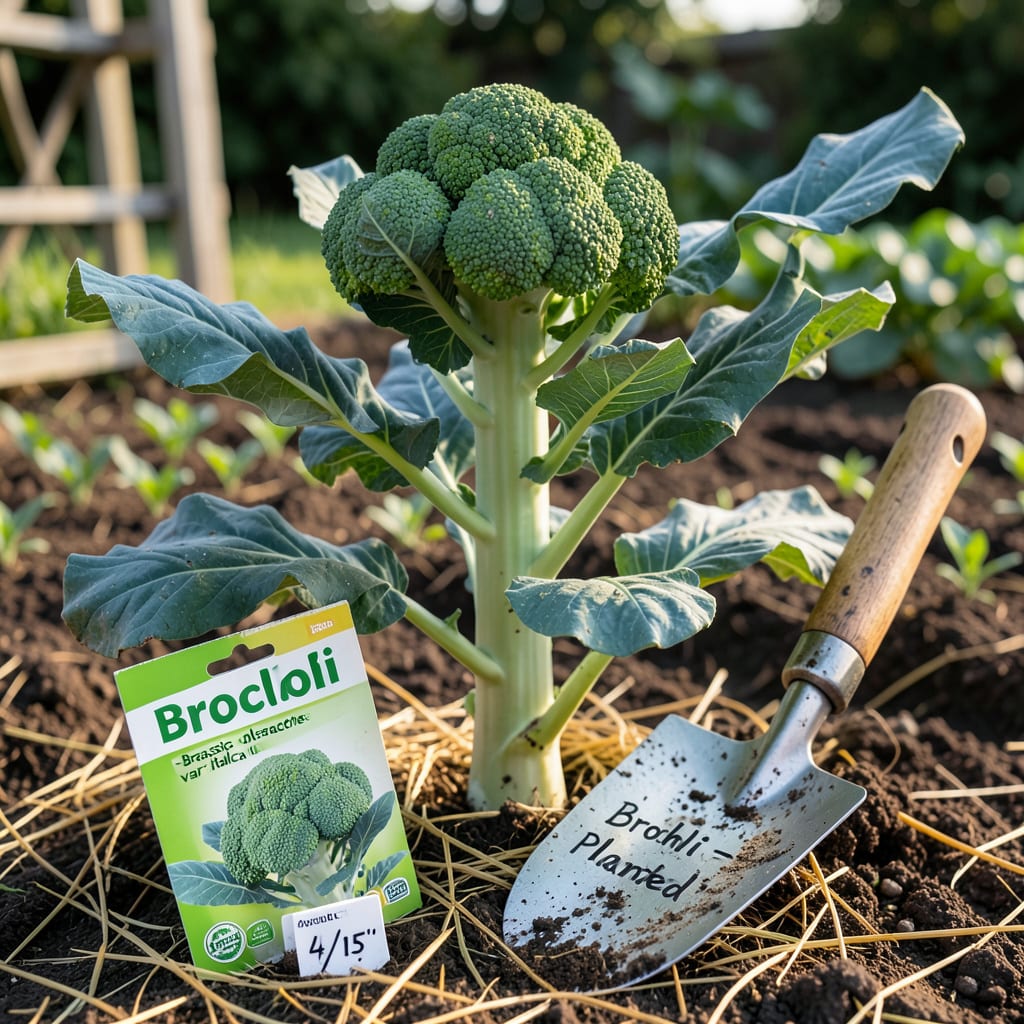
Timing your 🥦 broccoli planting in Arkansas can mean the difference between a bountiful harvest and a disappointing flop. Our state’s unpredictable swings from frost to scorching heat make nailing those planting windows absolutely crucial—especially when you’re aiming for those tight, flavorful heads.
Whether you’re in the cooler Ozark highlands or the warmer Delta region, I’ll break down the exact spring and fall dates tailored to your zone. No more guessing games—just clear, actionable timing to help you grow your best broccoli yet this season.
If you’re growing broccoli in Arkansas, timing is your secret weapon. This cool-season crop thrives when temperatures stay between 60–70°F, so nailing the planting window is crucial. Arkansas spans USDA zones 6b–8a, meaning your dates will shift slightly depending on where you garden.
I always remind gardeners that soil temperature matters more than calendar dates. Broccoli seeds germinate best when soil hits 40°F minimum, but 50–65°F is ideal. Too cold? Seeds rot. Too hot? Plants bolt before forming heads. Let’s break down the perfect timing for your zone.
| Zone | Spring Planting | Fall Planting | Notes |
|---|---|---|---|
| 6b (Northwest) | Mid-March to early April | Late July to early August | Last frost: April 15. Use row covers for early starts. |
| 7a–7b (Central) | Late February to mid-March | Mid-August to early September | First frost: Nov 1. Direct-sow or transplant. |
| 8a (South/East) | Early February to late February | Late August to mid-September | Mild winters allow winter harvests with protection. |
Pro Tip: For fall crops, count backward 85–100 days from your first frost date.
In northern Arkansas (Zone 6b), I recommend starting seeds indoors 6–8 weeks before your last frost (around April 15). This gives seedlings a head start for transplanting in mid-March. Gardeners in Little Rock (Zone 7b) can direct-sow as early as late February if soil is workable.
For fall planting, timing is even more critical. Broccoli needs 6–8 weeks to mature before temperatures dip below 28°F. In Zone 8a (like Pine Bluff), you can push fall planting to mid-September, but Zone 6b gardeners should aim for late July to avoid early frosts.
Don’t forget microclimates! If you’re in the Ozark Mountains, expect cooler temps and adjust dates 1–2 weeks later than the table suggests. Meanwhile, the Delta region’s warmer soil lets you plant 7–10 days earlier in spring.
I’ve found that succession planting works wonders in Arkansas. For spring, sow a new batch every 2–3 weeks until late March. For fall, plant in early August and again in late August for a staggered harvest. This keeps your kitchen supplied with fresh broccoli for months!
Soil prep is just as important as timing. Before planting, amend your beds with 2–3 inches of compost and aim for a pH of 6.0–7.0. Broccoli is a heavy feeder, so mix in a balanced fertilizer (10-10-10) at planting. Mulch with straw or shredded leaves to retain moisture and regulate soil temp.
Watch the 10-day forecast before planting. If nighttime temps will dip below 40°F, hold off or use frost blankets. Conversely, if a heat wave (above 80°F) is predicted, delay planting or provide shade cloth to prevent bolting.
For the best results, pair these timing tips with heat-tolerant varieties like ‘Green Magic’ or ‘Arcadia’. These cultivars handle Arkansas’s temperature swings better than traditional types. And remember: consistent watering (1–1.5 inches per week) is key to preventing bitter flavors or premature flowering.
By following these zone-specific guidelines, you’ll avoid the two biggest broccoli killers in Arkansas: late frosts in spring and early heat waves in fall. Happy planting—your reward will be tender, homegrown broccoli that puts grocery store fluff to shame! 🌱
Even with perfect timing, some common missteps can derail your 🥦 Arkansas broccoli crop. I’ve seen gardeners lose entire harvests to avoidable errors—like planting in summer heat or skipping soil prep. Let’s tackle the top three pitfalls and how to sidestep them.
First up: planting at the wrong temperature. Broccoli thrives in 60–70°F weather, but many gardeners accidentally expose seedlings to 80°F+ heat, triggering premature bolting. If your spring-planted broccoli starts flowering before forming heads, heat stress is likely the culprit.
Bonus Tip: Mulch with straw or grass clippings to keep soil cool and moist—critical for preventing bolting in Arkansas’s unpredictable springs.
Another major mistake is neglecting soil preparation. Broccoli is a heavy feeder, and Arkansas’s clay-heavy soils often lack organic matter. I’ve found that skipping compost leads to stunted plants and loose heads. Work in 2–3 inches of compost and a balanced fertilizer (10-10-10) before planting.
Watering inconsistencies also spell disaster. Broccoli needs 1–1.5 inches of water weekly, but many gardeners either overwater (leading to root rot) or underwater (causing bitter, tough heads). Use a soaker hose or drip irrigation to maintain even moisture, especially during head formation.
Finally, don’t overlook pest pressure. Arkansas’s humid climate attracts cabbage worms and aphids, which can decimate broccoli overnight. I swear by floating row covers for organic protection. For severe infestations, apply neem oil or introduce beneficial insects like ladybugs.
If you’re growing in containers, avoid the mistake of using small pots. Broccoli needs 5+ gallons of soil per plant to develop proper roots. I recommend fabric grow bags for better drainage and airflow. Pair this with a slow-release fertilizer to fuel growth through the season.
By dodging these common errors, you’ll set your Arkansas broccoli up for success. Remember: cool temps, rich soil, and consistent care are the keys to those tight, flavorful heads we all crave. Now go grow some broccoli that’ll make your neighbors jealous! 🌱
Not all broccoli varieties thrive in Arkansas’s humid summers and unpredictable springs. After years of testing, I’ve found that selecting the right cultivar can make or break your harvest. The key is choosing types that resist bolting in heat or tolerate late-season frosts.
For Arkansas gardeners, I recommend focusing on heat-tolerant hybrids like ‘Green Magic’ and ‘Arcadia’. These varieties handle our temperature swings better than traditional types. ‘Green Magic’ stays sweet even in 80°F weather, while ‘Arcadia’ excels in fall plantings with its cold-hardy traits.
Pro Tip: For fall crops, choose ‘Arcadia’—it handles light frosts down to 25°F!
If you’re planting in early spring, ‘De Cicco’ is my go-to. This heirloom variety matures in just 48 days, letting you harvest before summer heat arrives. Its smaller heads are perfect for succession planting, giving you multiple harvests from one season.
For container gardeners, ‘Green Magic’ shines with its compact growth and high yields. I’ve grown it successfully in 5-gallon buckets on my patio. Just ensure your containers have drainage holes and use a lightweight potting mix amended with compost.
When sourcing seeds, I recommend checking with local nurseries or trusted online suppliers like Southern Exposure Seed Exchange. They specialize in varieties adapted to southern climates. Always opt for disease-resistant strains to combat Arkansas’s humidity-related fungal issues.
Remember, even the best variety needs proper care. Pair your chosen broccoli with consistent watering and fertile soil for the best results. With the right pick, you’ll be harvesting tender, flavorful heads while others struggle with bolted plants. Happy growing! 🌱
No, summer planting is risky in Arkansas. Broccoli thrives in 60–70°F temperatures, and our summer heat often exceeds 80°F, causing plants to bolt prematurely. Stick to spring or fall plantings for best results.
Use frost blankets or row covers when nighttime temps drop below 32°F. For extra protection, apply a thick layer of mulch around plants. Remove covers during the day to prevent overheating.
Amend your soil with 2–3 inches of compost and aim for a pH of 6.0–7.0. Mix in a balanced fertilizer (10-10-10) before planting. Well-draining soil prevents root rot and supports healthy growth.
Yes! Choose containers at least 5 gallons in size with drainage holes. Use a lightweight potting mix amended with compost. Place containers where they’ll get 6+ hours of sunlight daily.
