
Beautiful Plants For Your Interior
Beautiful Plants For Your Interior
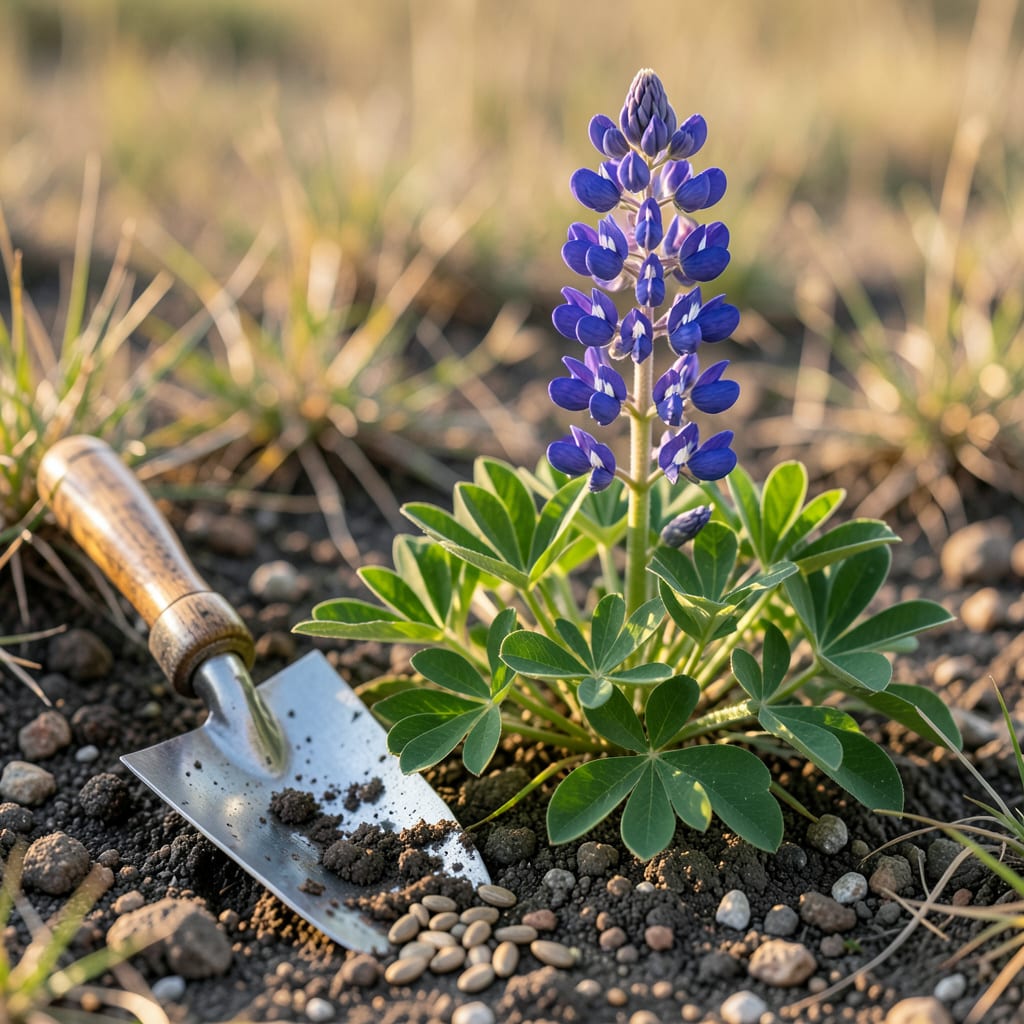
There’s nothing quite like the sight of vibrant blue fields in spring—but if you plant your 🌸 Bluebonnets at the wrong time, you might miss out entirely. Texas gardeners know timing is everything, and fall is your one shot to get it right.
I’ve seen too many well-meaning gardeners plant too late or too early, only to be disappointed come March. Let’s break down the exact window for your region—so you can enjoy those iconic blooms without the guesswork. Here’s what works (and what doesn’t).
If you want those iconic Texas bluebonnet fields next spring, timing your planting is absolutely critical. Bluebonnets must be sown in fall—specifically September through November—to allow seeds to germinate and establish roots before winter dormancy. Plant too early, and seeds may rot; plant too late, and they won’t survive the first freeze.
Texas is a big state with wildly different climates, so I’ve broken down the ideal planting windows by region. North Texas gardeners should aim for early September to mid-October, while South Texas can push planting into late October or even November. The key is soil temperature—seeds need 70–75°F to germinate properly.
| Region | Ideal Planting Window | Soil Temp Goal | First Frost Date |
|---|---|---|---|
| North Texas (Dallas, Fort Worth) | Sept 1 – Oct 15 | 70–75°F | Nov 15 |
| Central Texas (Austin, San Antonio) | Sept 15 – Nov 1 | 72–76°F | Nov 30 |
| South Texas (Corpus Christi, Brownsville) | Oct 1 – Nov 30 | 74–78°F | Dec 15 |
| West Texas (El Paso, Lubbock) | Sept 15 – Oct 30 | 70–74°F | Nov 1 |
Note: Adjust dates by 1–2 weeks for microclimates or unusual weather patterns. Always plant 4–6 weeks before your first frost.
Why is fall planting non-negotiable? Bluebonnets are winter annuals, meaning they germinate in fall, grow slowly through winter, and explode with blooms in spring. If you plant in spring, you’ll miss the entire growth cycle. I’ve seen gardeners make this mistake, and it’s heartbreaking to watch bare patches where bluebonnets should be thriving.
For North Texas, where frost arrives earlier, I recommend planting by mid-October to give seeds enough time to establish. In South Texas, you can push planting into late November thanks to milder winters. Always check your local frost dates—Texas A&M AgriLife Extension’s website has a fantastic tool for this.
Soil temperature is your best friend here. Use a soil thermometer (or check local reports) to ensure the top 2–3 inches of soil are consistently 70–75°F. If the soil’s too hot, seeds may enter dormancy; too cold, and they’ll rot. A simple $10 thermometer from your local garden center can save you a season of disappointment.
What if you miss the window? Don’t panic—you’ve got options. For late plantings (December or later), try scarified seeds (more on this in the next section) and mulch lightly to protect them. You can also start seeds indoors in peat pots and transplant them in early spring, though this method is less reliable for large areas.
Pro tip: Pair your bluebonnets with Texas native companions like Indian paintbrush or black-eyed Susans for a pollinator-friendly display. These plants share similar sun and soil needs, making them perfect partners. Just avoid planting near aggressive grasses, which can choke out your bluebonnet seedlings.
Remember, bluebonnets thrive in poor, well-draining soil—no fertilizer needed! In fact, over-fertilizing can lead to lush foliage but fewer blooms. If your soil is heavy clay (common in East Texas), amend with sand or compost to improve drainage. A simple rake to loosen the top inch of soil is all the prep you need.
Finally, water wisely. After planting, give seeds a light watering to settle them into the soil, then let nature take over. Bluebonnets are drought-tolerant once established, but seedlings need consistent moisture (not soggy soil) for the first 4–6 weeks. A soaker hose on a timer can help if you’re planting a large area.
Even with perfect timing, your bluebonnet seeds can still fail if you make these common mistakes. I’ve seen gardeners plant at the right time but still end up with sparse or nonexistent blooms—usually because of avoidable errors. Let’s fix that before you sow a single seed.
The biggest killer? Planting seeds too deep. Bluebonnets need light to germinate, so burying them more than 1/4 inch almost guarantees failure. I like to scatter seeds on the surface and then lightly rake them in—just enough to ensure soil contact without smothering them.
Fix it: Plant shallow, water lightly, scarify seeds, and skip the fertilizer entirely.
Another silent bloom-killer: overwatering. Bluebonnets are drought-tolerant natives, and soggy soil suffocates seeds or invites fungal diseases. After planting, give seeds a gentle watering to settle them, then let rain handle the rest unless you’re in a drought. If you must water, use a soaker hose for 5–10 minutes max every 10–14 days.
Here’s a mistake even experienced gardeners make: ignoring seed scarification. Bluebonnet seeds have hard, water-resistant coats that can delay germination for years. To break this dormancy, I nick seeds with sandpaper or soak them in near-boiling water for 10 seconds before planting. This simple step can double your germination rate.
Finally, never fertilize bluebonnets—they’re adapted to Texas’ poor, rocky soils and will produce fewer blooms if pampered. If your soil is extremely compacted (like East Texas clay), mix in 2 inches of sand or compost to improve drainage, but avoid rich amendments. I’ve seen gardeners add manure or synthetic fertilizers, only to get tall, leafy plants with zero flowers.
If you’re planting in heavy clay, here’s my trick: Broadcast seeds over the area, then top-dress with 1/4 inch of sand. This mimics their natural habitat and improves drainage without smothering seeds. For sandy soils, mix in a thin layer of compost to help retain moisture just enough for germination.
Remember, bluebonnets are tougher than they look—they evolved to thrive in Texas’ harsh conditions. Your job is to mimic nature: plant shallow, water sparingly, and let the seeds do their thing. If you avoid these pitfalls, you’ll be rewarded with a sea of blue come spring. 🌸
Getting your bluebonnet seeds ready for planting is half the battle. These tough little seeds have a hard outer coat that can delay germination for years if not treated properly. I’ve tested multiple methods, and scarification is the game-changer for faster, more reliable sprouts.
The easiest way to scarify? Grab some fine-grit sandpaper and gently rub each seed between the paper for 5–10 seconds. This mimics natural wear from wind and rocks, allowing water to penetrate. For larger batches, soak seeds in near-boiling water for 10 seconds, then cool immediately.
Pro tip: Scarified seeds germinate 50–70% faster than untreated ones!
Once scarified, plant seeds at the perfect depth: 1/4 to 1/2 inch deep. I like to scatter seeds over the soil and then lightly rake them in—just enough to cover but not bury. Bluebonnets need light to germinate, so resist the urge to plant deeper.
For clay-heavy soils (common in East Texas), mix in 1–2 inches of sand to improve drainage. In sandy soils, a thin layer of compost helps retain just enough moisture. Avoid heavy mulch—it can smother seeds. Instead, use a light dusting of straw to protect seeds from birds.
After planting, water gently but thoroughly to settle seeds into the soil. Use a fine mist nozzle to avoid displacing seeds. Then, let nature take over—bluebonnets are drought-tolerant once established. Within 10–14 days, you should see tiny sprouts if conditions are right. 🌿
Spring planting almost always fails because bluebonnets need cold stratification to germinate properly. Seeds sown in spring typically rot or produce weak plants with few blooms. Fall planting mimics nature’s cycle, giving roots time to establish before winter dormancy.
Use a soil thermometer to check temperatures at 2–3 inches deep. Ideal range is 70–75°F. If your soil feels warm to the touch (like a heated pool), it’s likely ready. Morning readings are most accurate.
Yes, but choose deep containers (at least 12 inches) with drainage holes. Use a mix of sand and potting soil to mimic Texas’ native conditions. Water more frequently than ground plantings, as pots dry out faster.
Common reasons: seeds planted too deep, overwatering, or skipping scarification. Check for bird activity (they love seeds!) or soil crusting. Try scarifying a new batch and replanting in early winter if soil stays above 50°F.
They’re winter annuals, so individual plants die after blooming. However, they self-seed prolifically if allowed to drop seeds. Leave faded blooms on plants to encourage natural resowing for next year’s display.
