
Beautiful Plants For Your Interior
Beautiful Plants For Your Interior
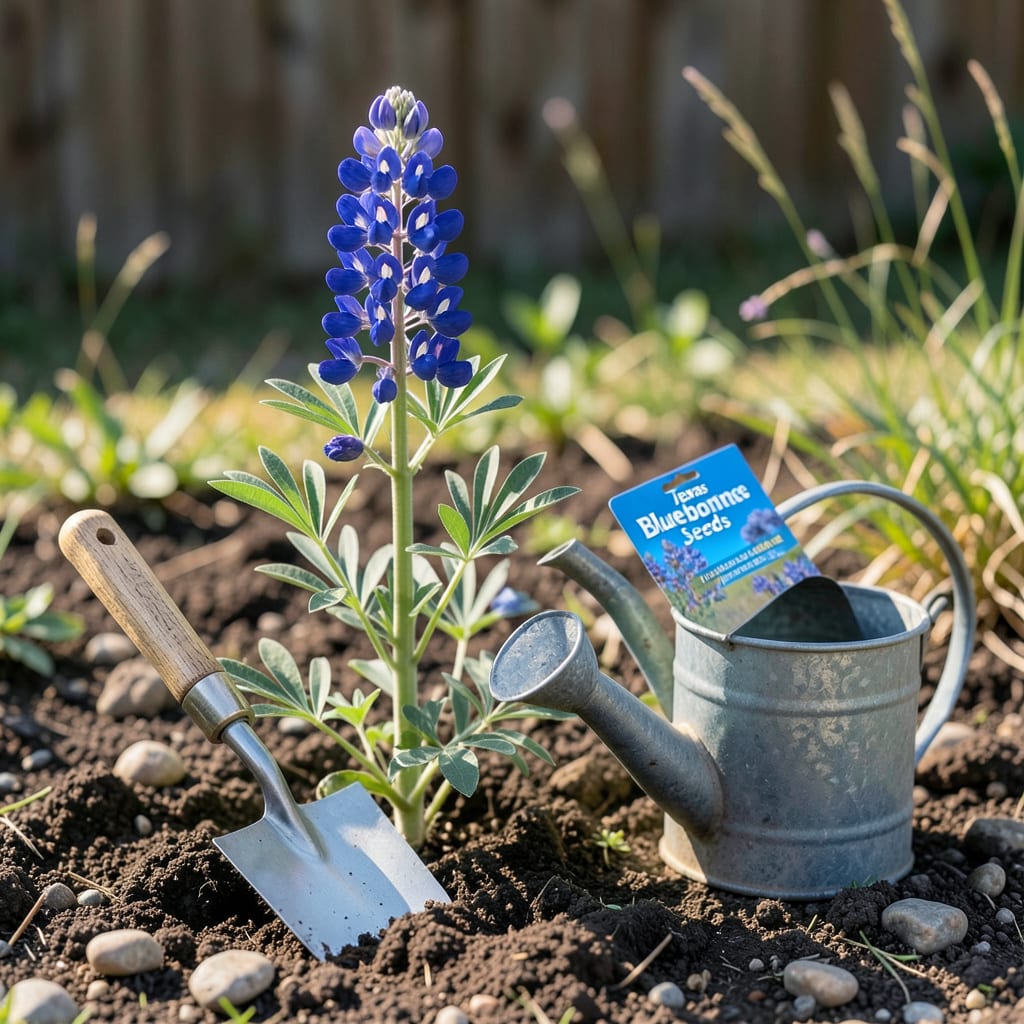
There’s nothing quite like seeing fields of vibrant blue 🌸 Bluebonnets stretching across Texas in spring—but getting those stunning blooms starts with perfect timing. Plant those seeds too early or too late, and you might end up with a patchy, disappointing display instead of a showstopper.
I’ve learned the hard way that Texas’ diverse climate means one-size-fits-all advice won’t cut it. Whether you’re in the Panhandle or the Gulf Coast, I’ll break down the exact window to sow your seeds for a breathtaking blue carpet next season. Let’s make sure your effort pays off in spades.
If you’ve ever dreamed of a yard bursting with Texas bluebonnets, timing your seed planting is the secret. Texas isn’t just one climate—it’s a patchwork of zones, from the chilly Panhandle to the humid Gulf Coast. That means your planting window shifts dramatically depending on where you live.
Most Texans should aim for fall planting, specifically between September and November. This gives seeds time to establish roots before winter, so they’re ready to explode with color come spring. But if you’re in far South Texas, you might push planting into early December—just avoid the summer heat at all costs. 🌱
| Region | Best Planting Months | Soil Temp Goal | Notes |
|---|---|---|---|
| North Texas | Sept–Oct | 70–75°F | Plant after first frost risk passes. |
| Central Texas | Oct–Nov | 75–80°F | Ideal for Austin/San Antonio areas. |
| South Texas | Nov–Dec | 80°F+ | Avoid summer heat; plant early winter. |
| West Texas | Sept–Oct | 70–75°F | Drought-tolerant; water sparingly. |
*Soil temps measured at 2″ depth. Adjust for microclimates.
In North Texas, where winters can be harsh, I recommend planting by mid-October to give seeds a fighting chance before the ground freezes. Central Texans have more flexibility—late October through November works beautifully, as the soil stays warm longer. Just watch for unexpected cold snaps!
Down in the Rio Grande Valley, you’re dealing with a nearly tropical climate. Here, December plantings often thrive because the soil never truly cools. The key is avoiding the summer monsoon season, which can rot seeds before they even sprout. If you’re in this region, keep an eye on the forecast for dry spells.
For West Texas, where rain is scarce, timing aligns with North Texas—but water conservation is critical. Plant in September or early October, then rely on natural rainfall. If you must supplement, do so lightly. Bluebonnets hate soggy feet, and overwatering is the fastest way to kill them. ☀️
No matter where you are, soil temperature is your best friend. Bluebonnet seeds germinate best when soil hits 70–80°F. Use a simple soil thermometer (available at any garden center) to check. If the ground feels warm to the touch but not scorching, you’re in the sweet spot.
Pro tip: If you miss the fall window, don’t panic! You can try early spring planting in February, but be prepared for weaker blooms. Fall-sown seeds develop stronger root systems, which means bigger, bolder flowers when spring arrives. Trust me, the wait is worth it.
Still unsure? Your local Texas A&M AgriLife Extension office is a goldmine for hyper-local advice. They often provide free soil testing and region-specific guides. When in doubt, ask the experts—they’ve seen it all when it comes to Texas bluebonnets! 🌿
Remember, bluebonnets are tough natives once established, but they need that perfect start. Get the timing right this year, and you’ll be rewarded with a sea of blue that’ll make your neighbors jealous. Now grab those seeds and get planting!
Even with perfect timing, bluebonnet seedlings can fail if you make these critical errors. I’ve seen gardeners pour their hearts into planting, only to watch seeds rot or sprouts wither. The good news? Most mistakes are easily avoidable once you know what to watch for. Let’s save your bluebonnets before they’re doomed. 🌱
First up: planting in summer. Texas heat is brutal, and bluebonnet seeds won’t survive soil temps above 85°F. They’ll either fry or enter dormancy, refusing to germinate until conditions improve—if they survive at all. Stick to fall planting (or early winter in South Texas) when soil is warm but not scorching.
💡 Bonus tip: If birds are stealing seeds, lightly cover with straw mulch—not soil!
Another silent killer? Herbicides and weed killers. Bluebonnets are sensitive to chemicals, even residues from past treatments. If you’ve used weed killer in your planting area, wait at least 6 months before sowing seeds. Better yet, choose a spot that’s been chemical-free for a year. Organic mulch is your friend here.
Don’t overlook soil pH, either. Bluebonnets prefer neutral to alkaline soil (pH 6.0–8.0). If your soil is too acidic (common in East Texas), mix in lime a month before planting. A simple $10 soil test kit from any garden center takes the guesswork out. It’s a small investment for a big payoff.
Finally, patience is key. Bluebonnets often don’t bloom in their first year—they’re building root systems. If your seedlings look sparse, resist the urge to replant. Many gardeners mistake first-year plants for failures and dig them up, only to realize too late that they’d have bloomed the next spring. Mark your calendar: Year 1 = roots, Year 2 = blooms. ✅
If you’ve made these mistakes before, don’t stress—even pros learn the hard way. The fix is simple: plant in fall, keep soil light, and let nature do the rest. Next spring, you’ll be rewarded with that legendary Texas blue carpet. Now go check your soil temp and get those seeds in the ground!
Planting in summer is a common mistake! Bluebonnet seeds won’t germinate in soil above 85°F. The heat either kills them or forces dormancy, delaying growth until cooler weather arrives. Stick to fall planting for best results.
Soaking isn’t required, but scarifying (lightly nicking the seed coat) can improve germination rates. If you soak them, limit it to 1-2 hours in lukewarm water. Over-soaking can cause seeds to rot before they even sprout.
Bluebonnet seeds need light to germinate, so don’t bury them! Simply press seeds ¼ inch into the soil surface. Covering them too deeply prevents sprouting. A light dusting of soil or sand helps anchor them without blocking sunlight.
They prefer full sun (6+ hours daily), but can tolerate light shade in hotter regions like South Texas. Expect fewer blooms in shady spots. If planting under trees, choose areas that get morning sun and afternoon shade for best results.
