
Beautiful Plants For Your Interior
Beautiful Plants For Your Interior
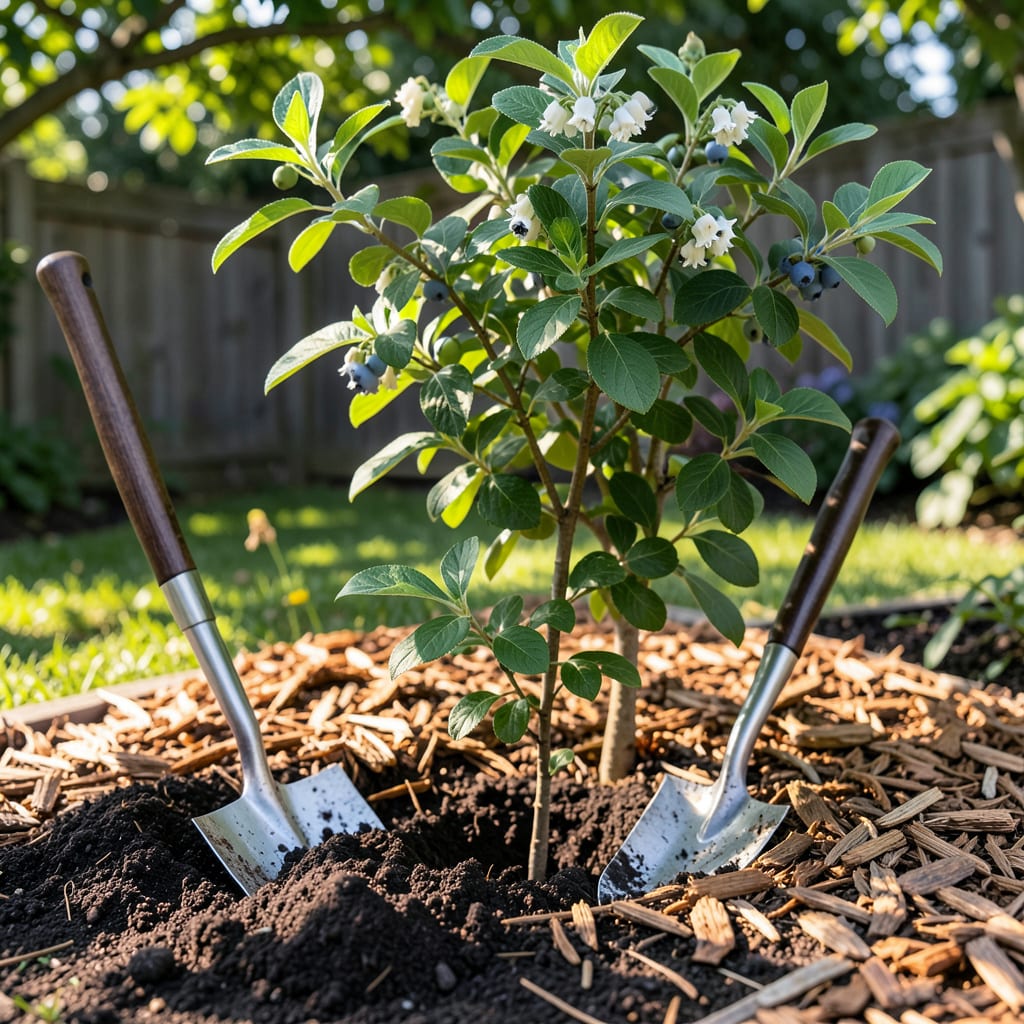
Timing your blueberry planting in Zone 7 can mean the difference between a thriving bush and a struggling one. Plant too early, and unexpected frosts might ruin your efforts; wait too long, and your bushes won’t establish roots before summer’s heat arrives.
I’ve seen gardeners make these mistakes year after year—until they nail the perfect window. Whether you’re planting bare-root or container-grown blueberries, getting the timing right sets you up for bigger harvests and healthier plants. Let’s break down exactly when to plant for success.
If you’re growing blueberries in Zone 7, timing isn’t just important—it’s everything. The difference between a thriving bush and one that struggles often comes down to when you plant. Zone 7’s mild winters and hot summers create a unique window for success.
I always recommend focusing on two key seasons: early spring and fall. Each has advantages, but the wrong timing can lead to frost damage or poor root establishment. Let’s break down the ideal windows and what makes them work best for blueberries.
| Season | Planting Window | Soil Temp | Key Benefit |
|---|---|---|---|
| Early Spring | Late Feb–March | 45–55°F | Roots establish before summer heat |
| Fall | Oct–Early Nov | 50–60°F | Cooler temps reduce transplant shock |
*Bare-root plants need earlier planting; container-grown can go in later.
For spring planting, aim for 4–6 weeks before your last frost (around March 15–April 1 in most of Zone 7). This gives roots time to settle before summer’s heat. I’ve found that bare-root bushes do best planted in late February if soil is workable.
Fall planting is my personal favorite for Zone 7. The cooler temperatures and consistent moisture help roots grow without stress. Just be sure to plant at least 6 weeks before first frost (by October 15) so roots can establish before winter.
Soil temperature matters more than air temperature. Use a soil thermometer to check—50°F is ideal for planting. If you’re planting in spring, mulch heavily to retain moisture during summer. For fall planting, add extra mulch before winter to protect shallow roots.
Container-grown blueberries give you more flexibility. They can go in the ground anytime during growing season if you water them well. But for best results, I still recommend sticking to the spring or fall windows to reduce transplant stress.
Remember that blueberries need acidic soil (pH 4.5–5.5). Test your soil before planting, and amend with sulfur or peat moss if needed. This is especially important in Zone 7, where native soils often run neutral or alkaline.
If you’re planting multiple bushes, space them 4–6 feet apart for good air circulation. This helps prevent fungal diseases that thrive in Zone 7’s humid summers. I like to plant in raised beds if my native soil is heavy clay.
First-year care is critical. Water deeply 2–3 times per week (more in summer), and avoid fertilizing until plants are established. With proper timing and care, you’ll see your first small harvest in year 2 and full production by year 3. 🌱
Even with perfect timing, small errors can derail your blueberry bushes in Zone 7. I’ve watched gardeners plant at the right time but still struggle because they overlooked key details. The good news? These mistakes are easy to fix once you know what to watch for.
Most issues stem from three areas: soil conditions, watering habits, and site selection. Zone 7’s climate—with its hot summers and variable rainfall—makes these factors even more critical. Let’s tackle the big ones so your bushes thrive from day one.
The #1 mistake I see is planting in soil that hasn’t been tested. Blueberries won’t survive in neutral or alkaline soil common in Zone 7. Grab a soil test kit—they’re cheap and save years of frustration. If your pH is too high, mix in elemental sulfur or peat moss before planting.
Drainage issues are another silent killer. Blueberries hate “wet feet.” If your soil is heavy clay (common in parts of Zone 7), either amend with compost and pine bark fines or plant in raised beds. I lost two bushes before learning this lesson the hard way.
Many gardeners underestimate how much mulch matters in Zone 7. Without it, summer heat stresses plants and winter cold damages roots. I use pine straw (it’s acidic!) in a 3-inch layer, keeping it 2 inches away from the stem to prevent rot. Replenish mulch every spring.
Finally, don’t plant in low-lying areas where cold air pools. Zone 7’s late frosts can damage blossoms. Choose a sunny, elevated spot with southern exposure if possible. Even a small slope helps cold air drain away from your bushes.
Fix these three issues, and you’ll avoid 90% of blueberry problems in Zone 7. The rest is just consistent watering and patience. Your bushes will reward you with bigger harvests for decades! 🌿
Not all blueberries thrive equally in Zone 7‘s climate. The key to success lies in matching varieties to your specific planting window. I’ve tested dozens of cultivars over the years, and some consistently outperform others in our region’s hot summers and mild winters.
Your choice should balance chill hour requirements, fruit ripening time, and heat tolerance. Early-season varieties like ‘Duke’ handle spring frosts better, while late-season types such as ‘Elliott’ produce fruit when summer heat might stress other plants. Let’s compare the top performers.
| Variety | Chill Hours | Best Planting Time | Harvest Window | Zone 7 Advantage |
|---|---|---|---|---|
| Duke | 600-800 | Feb–March | Early June | Handles late frosts well |
| Bluecrop | 800-1000 | March–April | Mid-July | Consistent heavy producer |
| Elliott | 1000-1200 | Oct–Nov | Late Aug | Thrives in summer heat |
*Chill hours = hours below 45°F needed for fruiting. Higher chill varieties need earlier fall planting.
For spring planting, I recommend ‘Duke’ or ‘Spartan’. Both tolerate Zone 7’s variable spring weather and establish quickly. Plant bare-root ‘Duke’ in late February for earliest harvests. Container-grown ‘Spartan’ can go in through March.
If you prefer fall planting, ‘Elliott’ and ‘Jersey’ are my top picks. Their high chill requirements (1000+ hours) mean they need that winter dormancy period. Plant these by October 15 to ensure root establishment before frost.
For mid-season production, ‘Bluecrop’ remains the gold standard in Zone 7. It’s disease-resistant and produces large, flavorful berries. I plant these in early April for July harvests. Pair with ‘Duke’ for extended harvesting from June through August.
Remember that rabitt-eye varieties like ‘Tifblue’ need cross-pollination and perform best in warmer Zone 7 microclimates. If you’re in a cooler pocket of Zone 7, stick with northern highbush types. Always plant at least two different varieties for better pollination and extended harvests. 🌿
Fall planting is often ideal because cooler temperatures reduce transplant shock. The October–early November window allows roots to establish before winter dormancy. Spring works too, but requires more watering during summer’s heat.
Test your soil first—blueberries need pH 4.5–5.5. Amend with peat moss or sulfur if needed. Mix in pine bark fines for drainage, especially in clay-heavy Zone 7 soils. A 3-inch mulch layer helps retain moisture.
Container plants offer more flexibility, but spring or fall is still best. If planting in summer, water daily for the first month. Avoid winter planting—roots need time to establish before frost.
Skipping the soil pH test! Zone 7’s native soil is often too alkaline. Without acidity adjustments, bushes may survive but won’t thrive or fruit well. Always test and amend before planting.
Plant 4–6 feet apart for full-size varieties. Dwarf types need 2–3 feet. Proper spacing ensures good air circulation, reducing fungal diseases common in Zone 7’s humid summers.
