
Beautiful Plants For Your Interior
Beautiful Plants For Your Interior
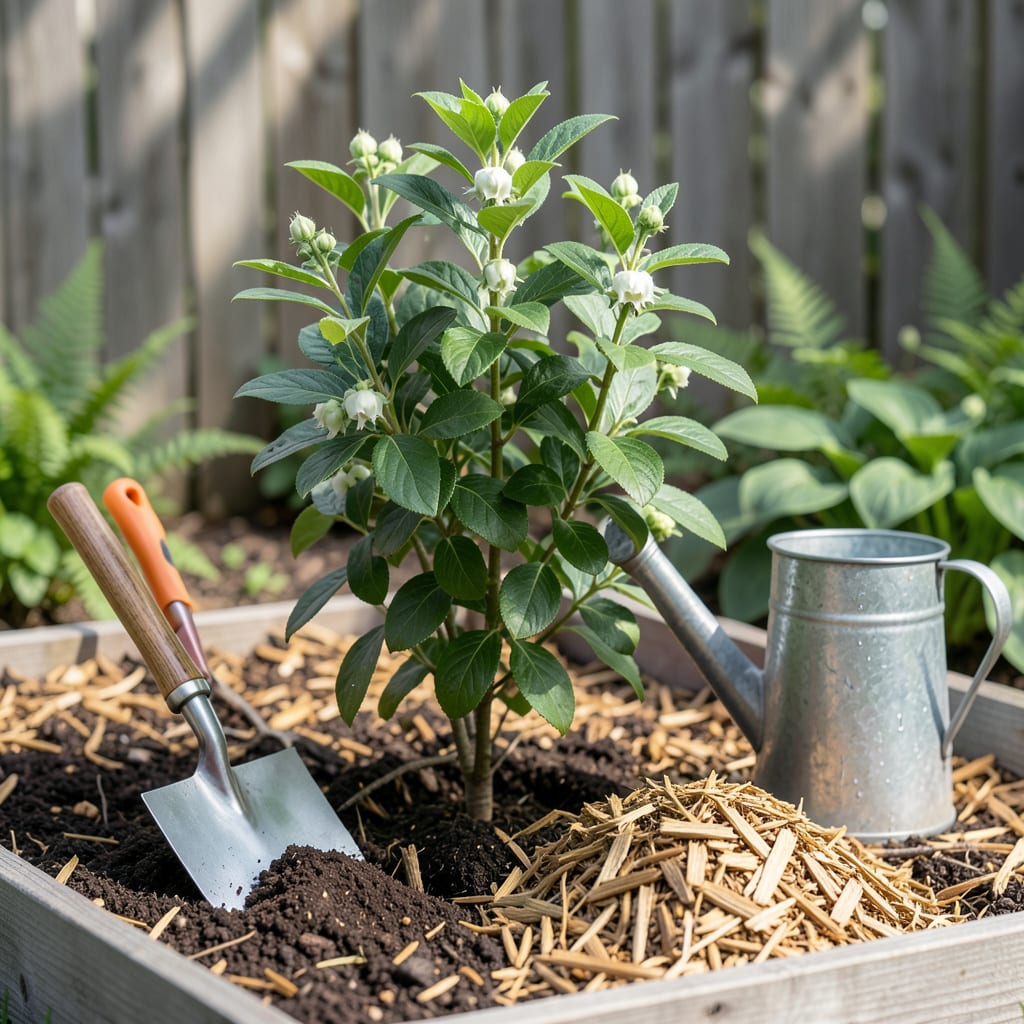
Timing your blueberry planting in Virginia can mean the difference between a thriving bush and a struggling one. Plant too early, and late frosts might sabotage your efforts. Wait too long, and you’ll miss that critical window when roots establish best.
After helping dozens of Virginia gardeners get this right, I’ve nailed down the exact timing by zone. Whether you’re in the mountains or coastal plains, I’ll show you how to plant your 🫐 bushes for maximum yield—without the guesswork. Let’s get those berries growing!
If you’re eager to grow plump, sweet blueberries in Virginia, timing your planting is everything. Virginia spans USDA zones 5a to 8a, meaning your ideal window shifts dramatically from the mountains to the coast. I’ve found that even a few weeks’ difference can make or break your harvest.
In colder zones like 5a (Winchester), you’ll want to plant bare-root bushes in late March to early April, after the last frost. But in warmer zones like 8a (Virginia Beach), you can start as early as February—if the soil isn’t frozen. Container-grown plants give you more flexibility, but timing still matters.
| USDA Zone | Location Examples | Bare-Root Planting | Container-Grown | Last Frost Date |
|---|---|---|---|---|
| 5a-6a | Winchester, Roanoke | Late March–April | April–May | April 15–30 |
| 6b-7a | Richmond, Charlottesville | Mid-March–April | March–May | April 1–15 |
| 7b-8a | Norfolk, Virginia Beach | February–March | Year-round | March 15–30 |
Pro Tip: Soil temp should be 45°F+ for bare-root; 50°F+ for containers. Use a soil thermometer!
For fall planting, aim for September to October in zones 5a-7a. This gives roots time to establish before winter. In zone 8a, you can push it to early November, but avoid planting if a hard freeze is forecast within 6 weeks. I always mulch heavily after fall planting to protect shallow roots.
Virginia’s clay-heavy soils can be tricky. If you’re in the Piedmont or coastal plain, amend your soil with pine bark fines or peat moss to improve drainage. Mountain regions often have naturally acidic soil—perfect for blueberries—but test your pH (4.5–5.5 ideal) before planting.
Bare-root plants need dormant planting, so late winter is ideal. Container-grown bushes can go in later, but avoid summer planting—Virginia’s heat stresses new transplants. If you miss the spring window, opt for fall planting and water deeply until the ground freezes.
Watch the 10-day forecast before planting. A late frost in zone 5a can kill new growth, while unexpected heat in zone 8a can dry out roots. I use row covers for spring plantings and shade cloth for fall plantings in warmer zones to ease the transition.
Microclimates matter! If you’re near the Chesapeake Bay, coastal winds can dry soil faster. In the Blue Ridge Mountains, elevation drops temps by 3–5°F per 1,000 ft. Adjust your timing accordingly—when in doubt, call your local Virginia Cooperative Extension office for hyper-local advice.
For best results, plant early-morning to reduce transplant shock. Water immediately after planting with 1–2 gallons per bush, and mulch with 2–3 inches of pine straw. This mimics their natural forest floor habitat and keeps roots cool in Virginia’s humid summers.
Remember, blueberries are a long-term investment. A well-timed planting in year one means bigger harvests by year three. In my garden, bushes planted in early April consistently outperform those planted in late May, thanks to cooler soil and less heat stress during establishment.
Still unsure? Grab a soil thermometer—when your soil hits 50°F at 4″ depth, it’s go time. And if you’re in zone 8a, you’ve got the luxury of a second chance with fall planting. Just avoid the hurricane season (September–October) if you’re coastal—too much rain can drown new roots! 🌱
Planting blueberries in Virginia seems straightforward—until you make one of these costly mistakes. I’ve seen gardeners lose entire bushes because they overlooked key details like soil pH or drainage. Let’s save your blueberries before you even put them in the ground.
The biggest error? Ignoring Virginia’s heavy clay soils. Blueberries need well-draining, acidic soil (pH 4.5–5.5), but our native clay holds water and lacks acidity. Without amending with pine bark fines or peat moss, roots suffocate and bushes stunt. Test your soil first—it’s a $10 investment that saves years of frustration.
Quick Fix: For clay soil, mix 50% native soil with 50% acidic compost + perlite in a 18″-wide hole.
Another common blunder: planting at the wrong depth. Bury the bush too deep, and the stem rots; plant too shallow, and roots dry out. The perfect depth? Set the plant so the top of the root ball sits 1–2 inches above ground level, then mound soil gently. This prevents water pooling at the base.
Virginia’s humid summers also trip up gardeners. Without consistent moisture, berries shrivel before ripening. I water my bushes deeply 2x weekly in heat waves, using a soaker hose to avoid wetting leaves (which invites fungus). Drip irrigation works even better—just keep the system off foliage to prevent mildew.
Finally, don’t plant just one variety. Blueberries need cross-pollination for big harvests. In Virginia, pair an early-season like ‘Duke’ with a mid-season ‘Bluecrop’. This extends your harvest window and boosts yield. Pro tip: Space bushes 4–6 feet apart—crowding reduces airflow and invites pests.
Still nervous? Grab a soil moisture meter and check your planting hole’s drainage after a rain. If water lingers >24 hours, you’ve got a problem. Raise beds with acidic compost or plant in containers with a mix of peat, pine bark, and perlite. Trust me, fixing drainage before planting saves years of heartache.
Remember, blueberries are a 10+ year investment. Avoiding these mistakes now means pounds of berries for decades. In my garden, bushes planted with proper prep yield 3x more fruit than those rushed into unamended soil. Take the time—your future self (and your taste buds) will thank you! 🌿
Not all blueberries thrive equally in Virginia’s diverse climate. From the mountainous zones to the coastal plains, choosing the right variety—and planting it at the right time—can make or break your harvest. I’ve tested dozens of cultivars, and these are the top performers for Virginia’s unique conditions.
For cold-hardy zones (5a–6a), like Winchester or Roanoke, ‘Patriot’ and ‘Duke’ are my go-to early-season picks. They handle late frosts well and ripen in early June. Plant these in late March to early April for best results. If you’re in warmer zones (7b–8a), like Norfolk, ‘O’Neal’ or ‘Misty’ (southern highbush) thrive with February–March planting.
| Variety | Best Zones | Planting Window | Harvest Time | Key Traits |
|---|---|---|---|---|
| Duke | 5a–7a | Late March–April | Early June | Cold-hardy, disease-resistant |
| Bluecrop | 6a–8a | March–April | Mid-July | Reliable mid-season producer |
| O’Neal | 7a–8a | February–March | Late May | Early, heat-tolerant |
| Elliott | 5a–7b | April–May | Late August | Late-season, stores well |
Pro Tip: Pair early and mid-season varieties for extended harvests (June–August).
For humid regions like Richmond or the Piedmont, ‘Bluecrop’ and ‘Jersey’ excel thanks to their disease resistance. Plant these in early spring (March–April) to avoid fungal issues. If you’re near the coast, ‘Climax’ (rabbiteye) handles salt spray and thrives in acidic, sandy soils—plant it in February–March for a July harvest.
Dwarf varieties like ‘Top Hat’ are perfect for containers or small spaces. Plant them in April and keep them in partial shade during Virginia’s scorching summers. For organic gardeners, ‘Pink Lemonade’ (a pink-fruited variety) resists pests and adds color—just plant it slightly later (April–May) to avoid frost damage to delicate blooms.
Remember, pollination partners boost yields. Pair ‘Duke’ with ‘Bluecrop’ or ‘O’Neal’ with ‘Misty’ for cross-pollination. Space bushes 4–6 feet apart to allow airflow and reduce humidity-related diseases. In my garden, paired varieties produce 2x more berries than solo plants—worth the extra planning!
Still unsure? Visit your local nursery for zone-specific recommendations, or check with the Virginia Cooperative Extension for tested varieties. With the right match, you’ll enjoy decades of harvests—just plant at the optimal time and watch them thrive! 🌿
Fall can work, but timing is critical. In zones 5a–7a, plant by early October so roots establish before winter. Zone 8a gardeners can push it to November, but avoid planting if hard freezes are forecast within 6 weeks. Always mulch heavily after fall planting to protect shallow roots.
Check two things: temperature and moisture. Soil should be at least 45°F for bare-root bushes or 50°F for container plants. Use a soil thermometer at 4″ depth. Also, squeeze a handful—if it crumbles but holds shape briefly, it’s perfect. If it’s soggy or frozen, wait a week and retest.
Avoid summer planting in Virginia—heat stress kills young bushes. If you must, choose container-grown plants, plant in partial shade, and water daily for the first month. Even then, expect slower establishment. Fall planting is a safer backup option for missed spring windows.
Bare-root plants must go in during dormancy (late winter) and require immediate planting. Potted bushes offer more flexibility—you can plant them spring through early fall—but cost more. Bare-root establishes faster if timed right, while potted bushes handle transplant shock better.
Expect small harvests in year 2 and full production by year 3. Dwarf varieties may fruit sooner, while standard bushes take longer but yield more. Proper planting timing (like early spring in Virginia) accelerates establishment, leading to earlier and larger harvests. Patience pays off!
